
2026
Lumen Prize Winners
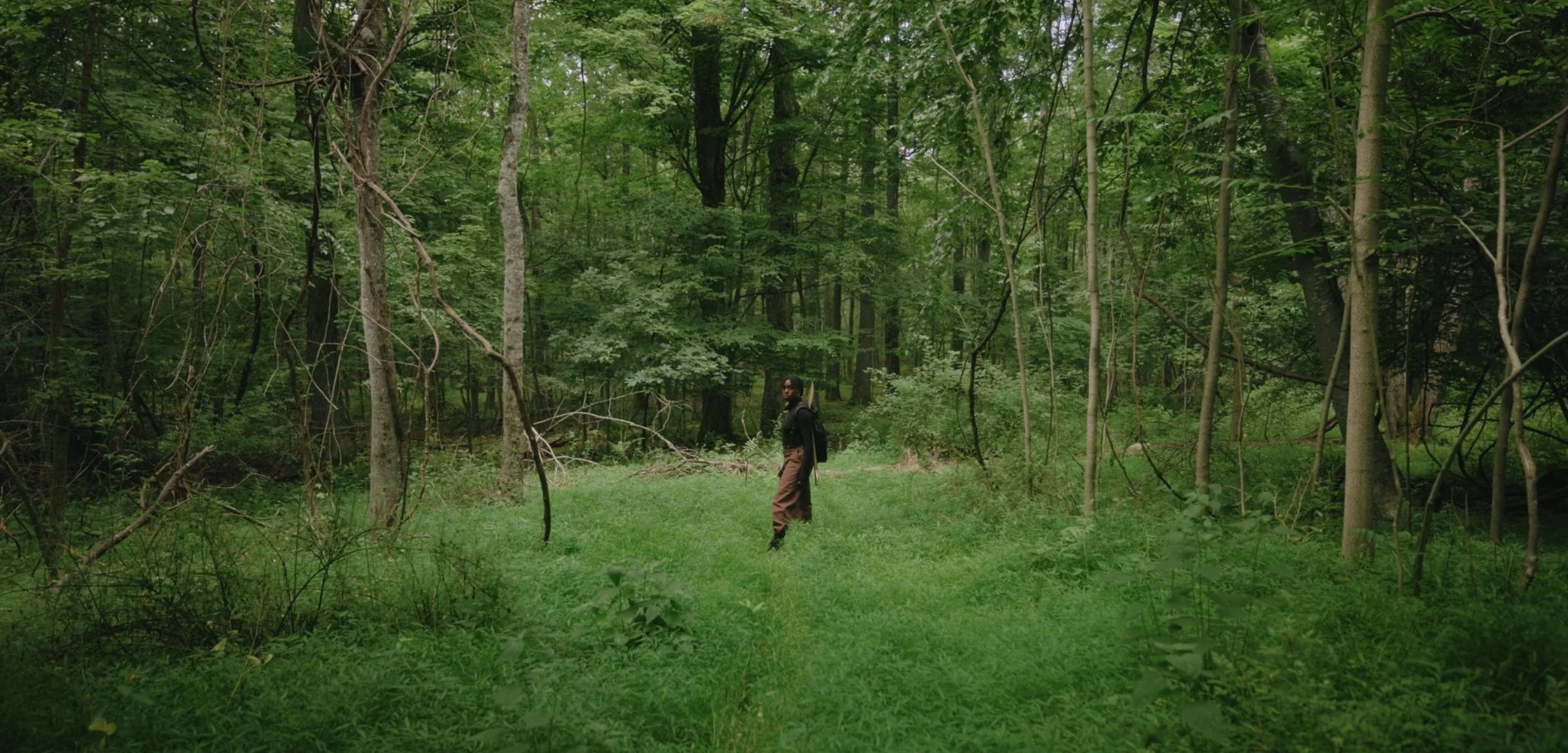
Ground Truths
2026 Legacy Futures Award Winner
Mimi Ọnụọha
New York, USA
After learning that 95 bodies had been discovered in a mass grave minutes from where she grew up in Sugar Land, Texas, Mimi Ọnụọha spent four years developing a machine-learning model to identify where other convict-leasing graves might remain hidden. The resulting docufiction film turns that process into a powerful meditation on historical erasure and the systems we rely on to understand the past.
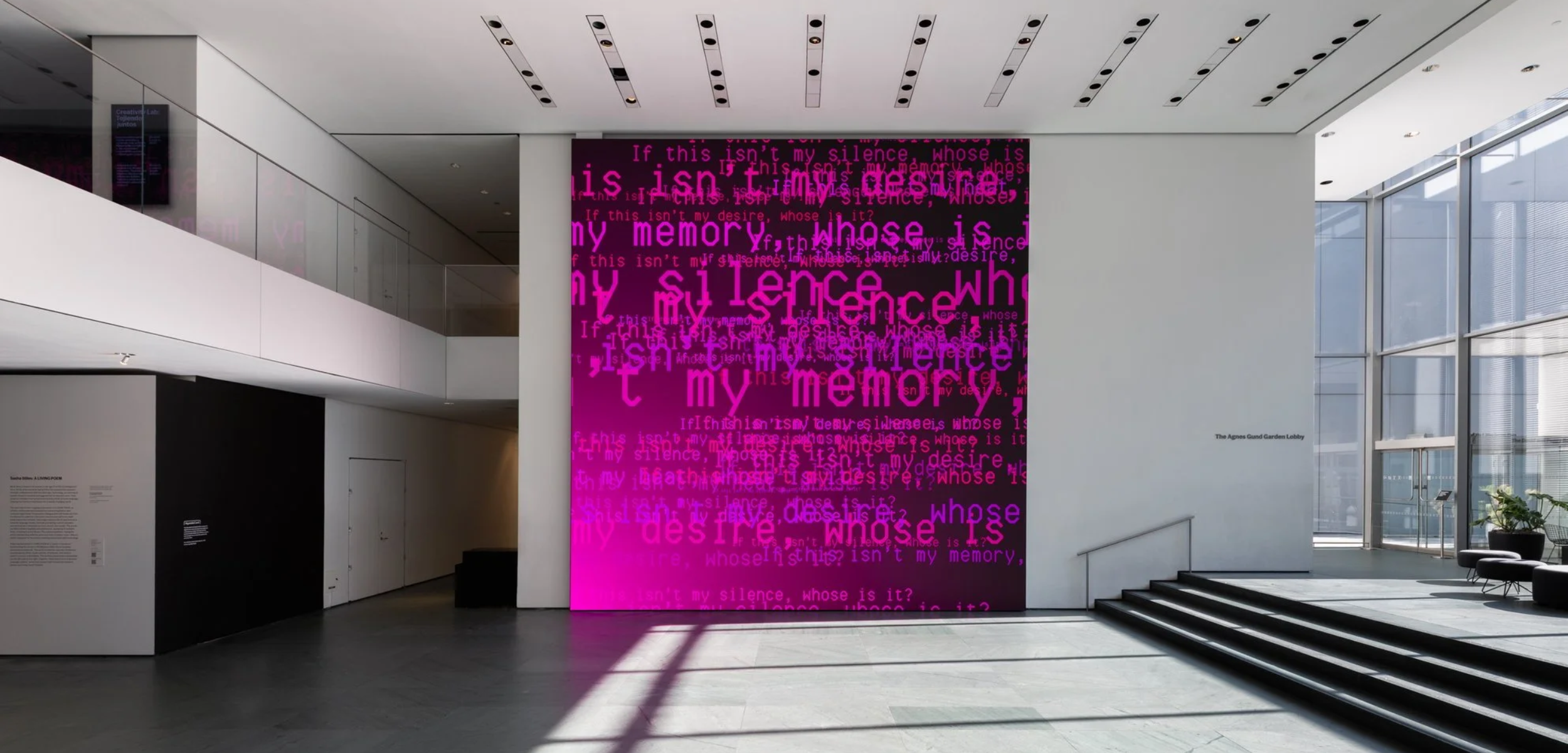
A LIVING POEM
2026 Special Commendation Award Winner
Sasha Stiles
Milford, USA
First presented at The Museum of Modern Art (MoMA) in New York, A LIVING POEM is an immersive generative language environment bringing poetry, voice, visuals, code, and AI together in a work that continuously rewrites and performs itself. Created in collaboration with Stiles' AI alter ego, Technelegy, the work advances her idea of “poetic intelligence,” the intertwining of emotion and algorithm to make meaning, as a way of considering how technology might deepen rather than diminish our humanity.

Replacement Character plotter-scanner
2026 Onassis ONX Award Winner
Luke Shannon
Replacement Character plotter-scanner is an interactive kinetic sculpture that combines a modified document scanner with a custom-built plotter to create life-sized scans of its participants. Drawing on the history of mechanical reproduction, Shannon considers what it means to be seen in an age of fragmented online identities, surveillance, and increasingly intelligent machines. The work turns the familiar act of scanning into a reflection on how technologies capture, interpret, and reconstruct our image.
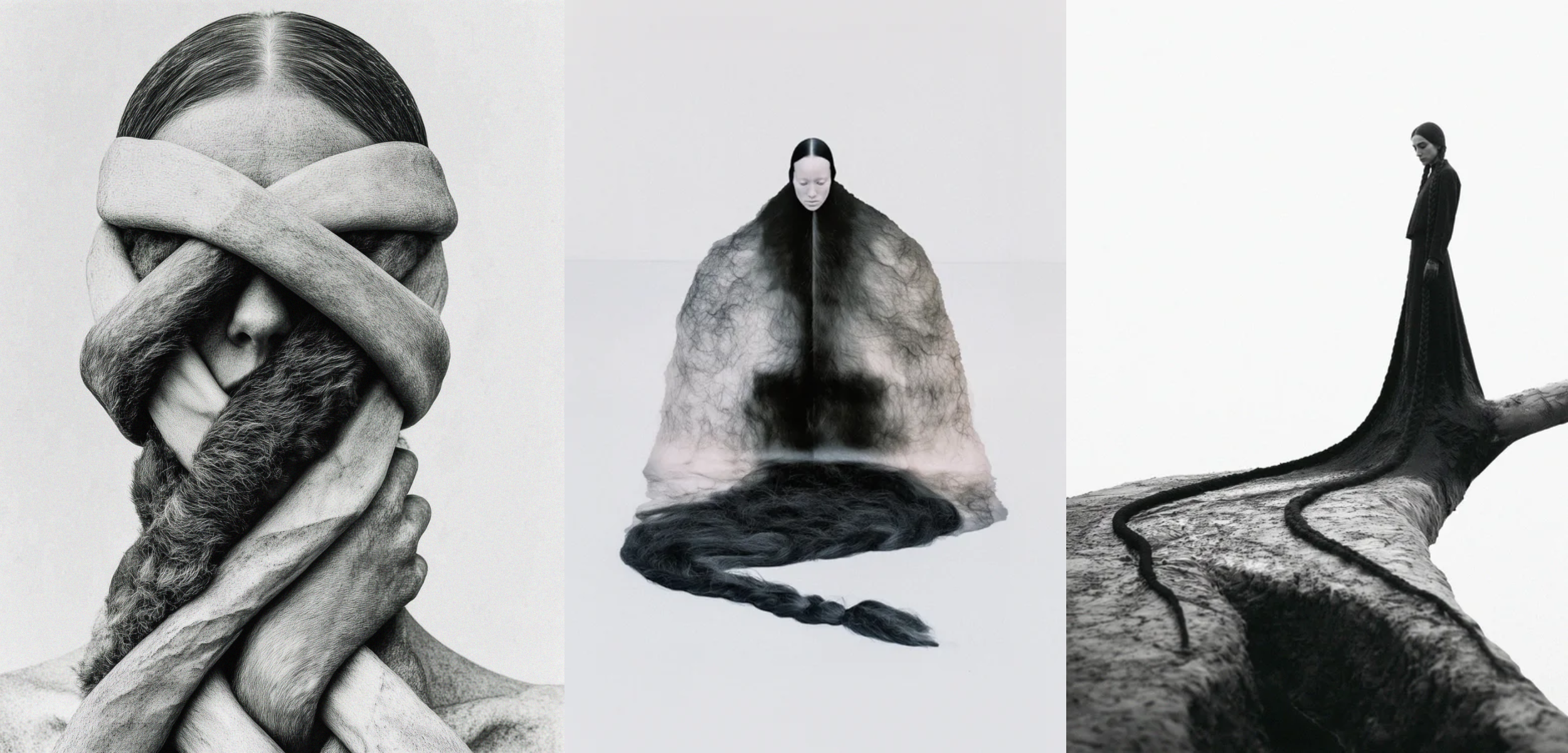
1864
2026 Carla Rapoport Award
Robin Kane
Tel Aviv, Israel
1864 reflects on the Circassian Genocide and forced exile of the 1860s, approaching this history not as a closed event but as a memory carried across generations. Through still and moving images created with an AI-assisted process, Kane considers displacement, inherited grief, cultural survival, and the enduring connection to a lost homeland. Rather than reconstructing historical violence, the work focuses on what remains after exile: silence, repetition, longing, and the persistence of identity.
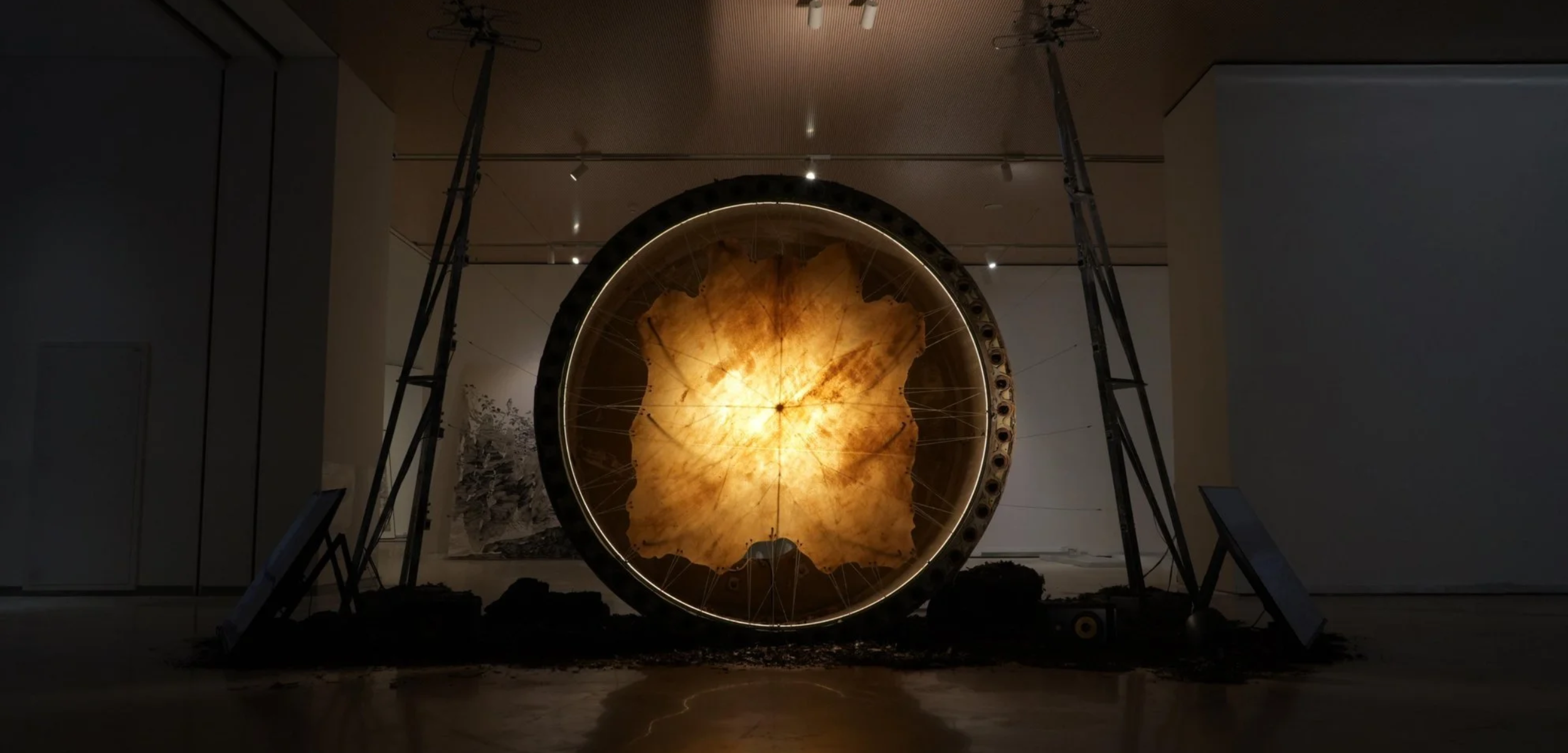
Throat of the Wind
2026 Student Award Winners
Aiwen Ding and Zhi Geng
Beijing, China
Throat of the Wind transforms a decommissioned wind turbine blade into a site-specific sound installation carrying the environmental and historical memory of Anguli Nao in northern China. Using wind, electromagnetic signals, cowhide, and the abandoned blade itself, the artists turn a remnant of energy infrastructure into an instrument through which the landscape and its histories can be heard.
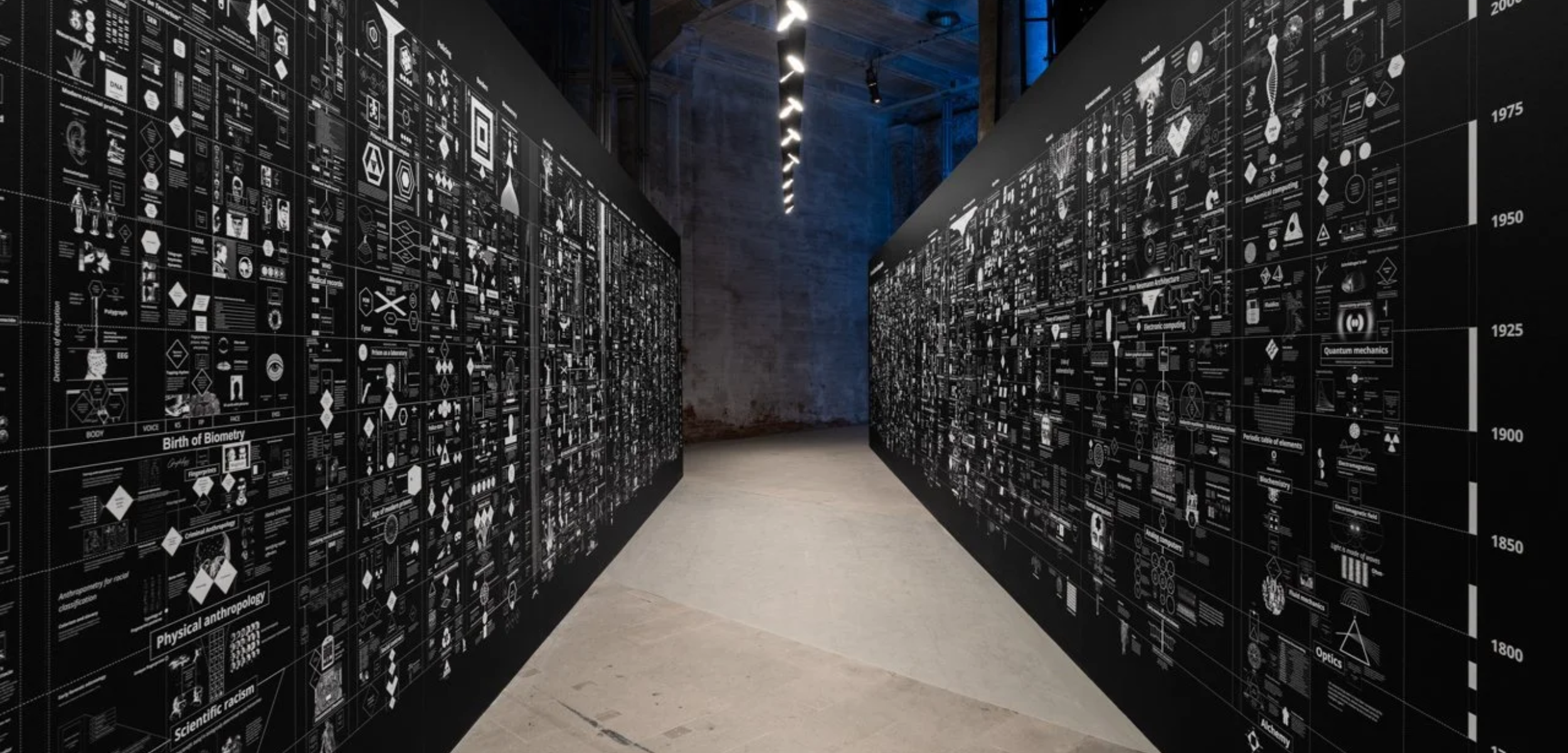
Calculating Empires: A Genealogy of Power and Technology Since 1500
2026 Gold Award Winner
Kate Crawford and Vladan Joler
New York, USA
Calculating Empires maps five centuries of technology and power, tracing connections between the systems we use to communicate, compute, classify, and govern. Across a vast physical installation and interactive website, Kate Crawford and Vladan Joler bring thousands of histories and relationships into view, revealing how today's technologies are rooted in much older structures of power. The work challenges the idea that AI represents a complete break with the past, instead asking us to consider the histories that continue to shape our technological present.
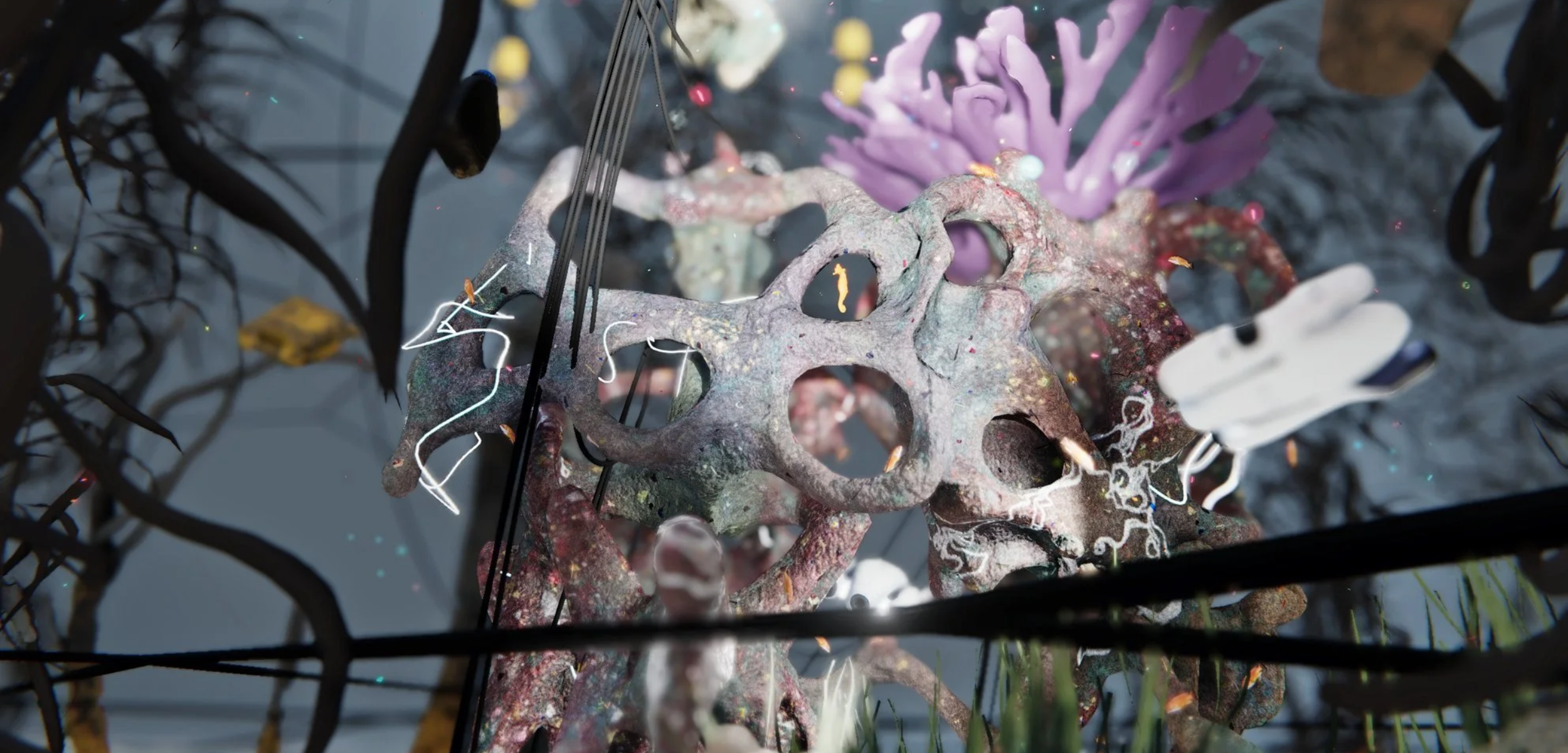
Drift Lattice
2026 Systems & Structures Winner
Theo Triantafyllidis
Athens, Greece
Drift Lattice places viewers inside a simulated marine ecosystem where aquatic life, synthetic debris, and autonomous cleanup drones coexist. Continuously influenced by real-time climate and ocean data, the work makes the precarious health of real-world marine ecosystems visible while considering the interdependence of human, artificial, and natural forms of intelligence.
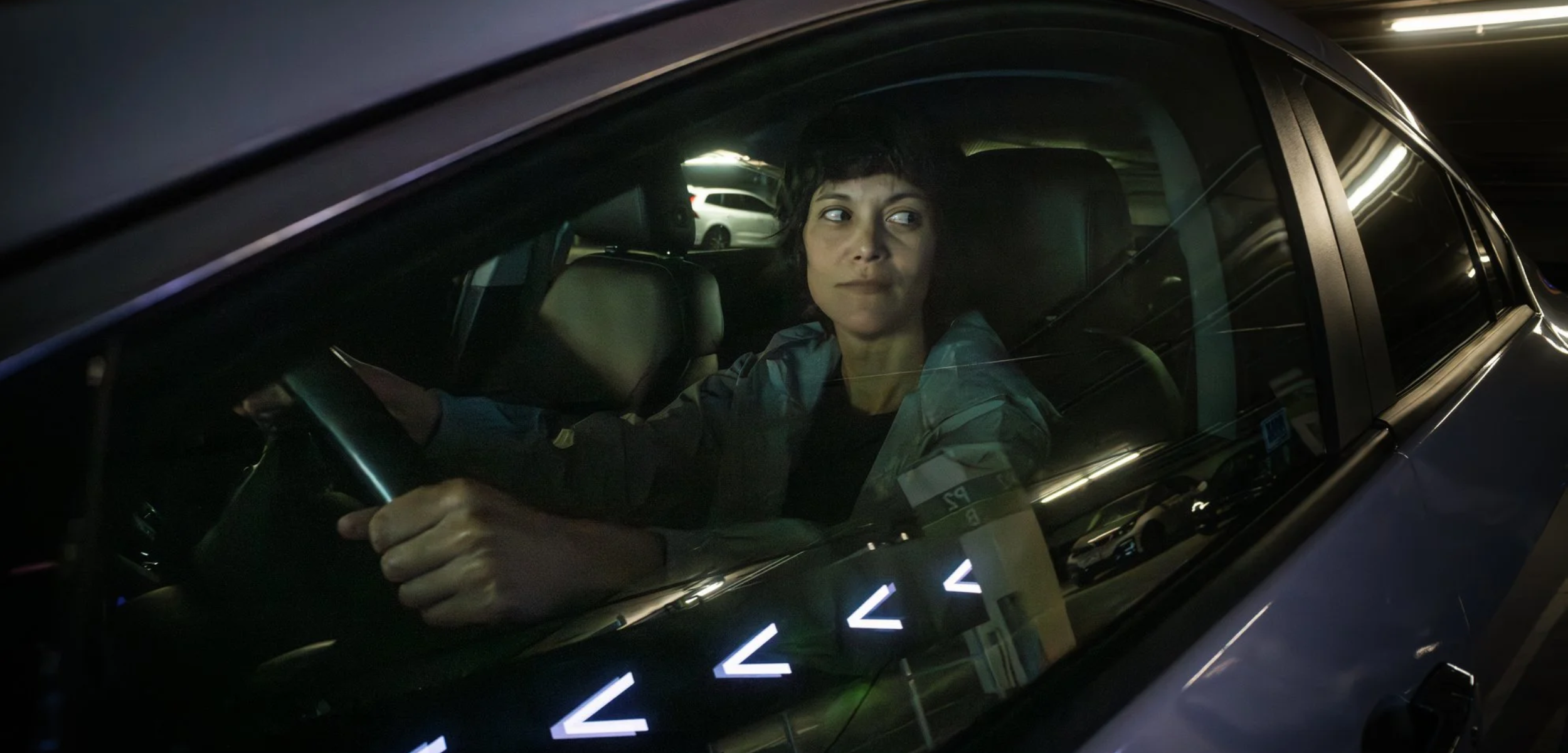
AUTO
2026 Experiential Innovation Award Winner
Lauren Lee McCarthy
Los Angeles, USA
AUTO is an autonomous vehicle driven by collective singing. Passengers learn the words only as they leave their lips, gradually realizing that they aren't simply riding in AUTO, but becoming part of it. Developed through collaboration with local communities, the work turns questions around AI, automation, surveillance, infrastructure, and control into a playful and provocative collective experience.
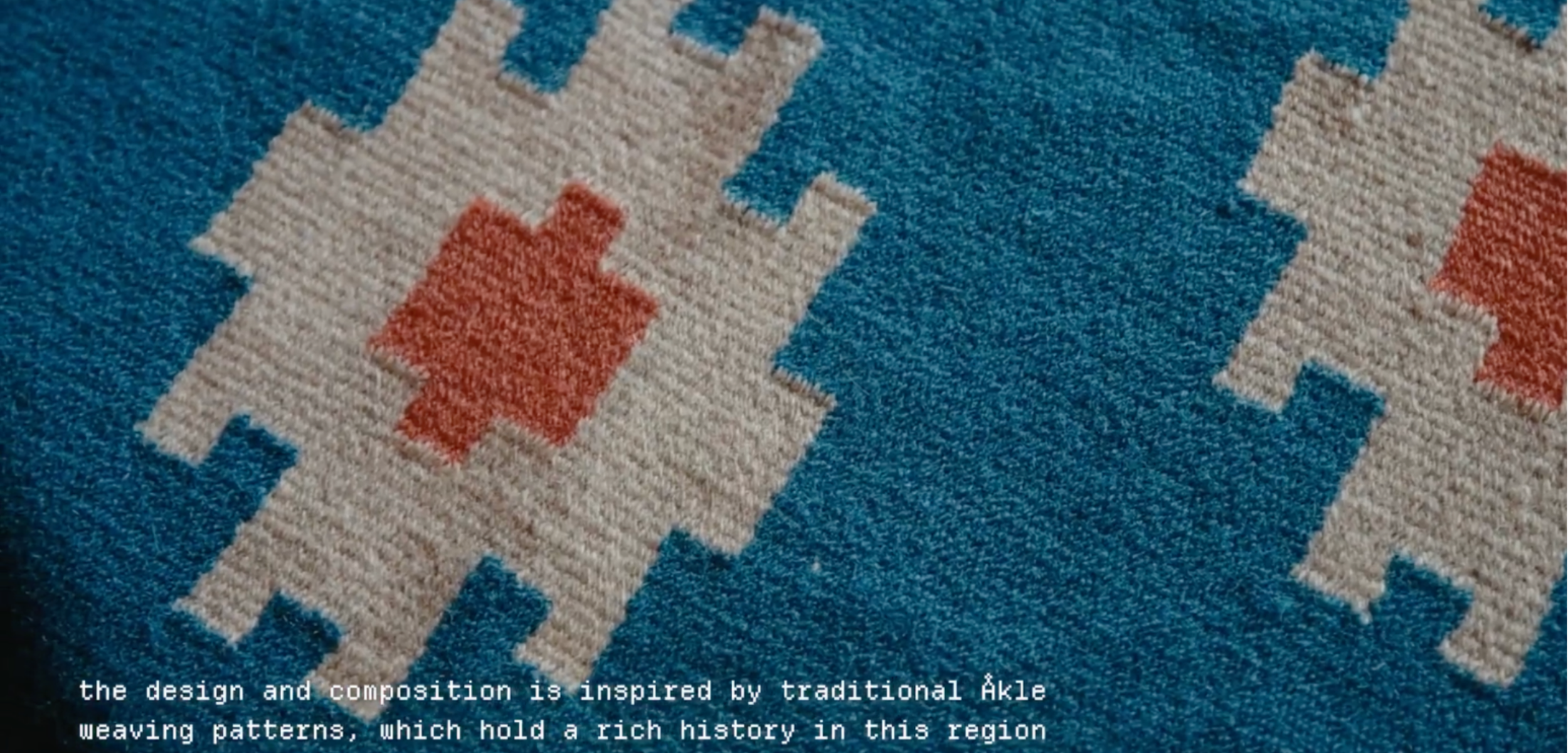
Pattern Language
2026 Nordic Award Winner
Matt DesLauriers, Kjetil Golid & Andreas Rau
Oslo, Norway
Pattern Language brings the textile traditions of Western Norway into conversation with contemporary computational culture. Drawing on historic Åkle weaving patterns alongside visual language inspired by early computer interfaces, the interactive installation invites audiences to manipulate a generative system and create their own virtual tapestries. Selected patterns are then translated into jacquard-woven textiles, connecting centuries-old systems of pattern-making with the logic of code.