2026 Lumen Prize
Finalists
Marking 15 years of championing artists working with technology, the 2026 Lumen Prize 2026 showcases 89 finalists selected from over 2,200+ submissions spanning 82 countries.
2026 Legacy Futures Award Finalists
Operator
Repeat as necessary's Performance Operating System is an open on-chain architecture for regenerating live performance, without the artists, institutions, or permission. Where documentation preserves past performances, this is an engine for future ones. The system is the work.
Aiwen Ding and Zhi Geng
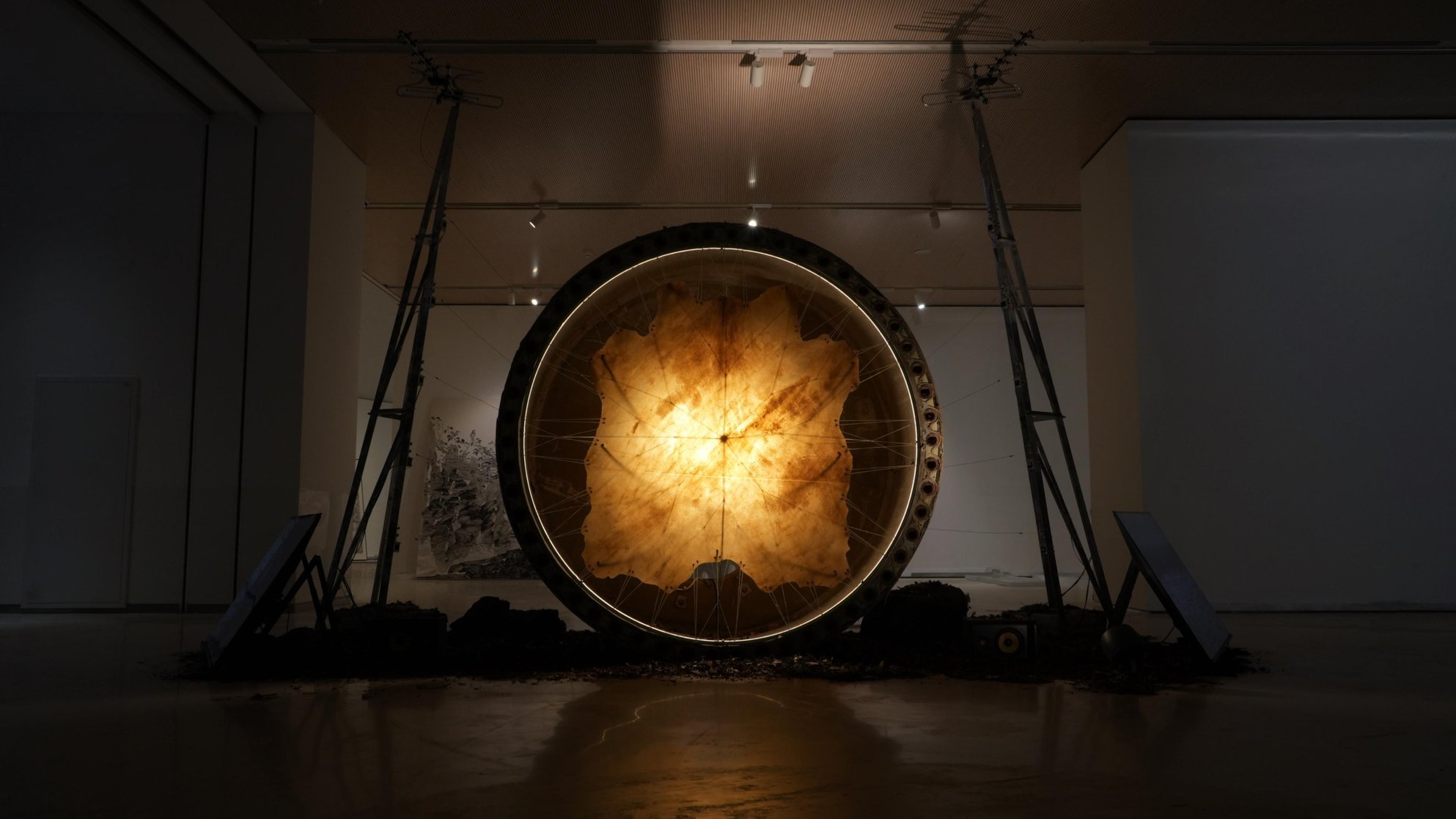
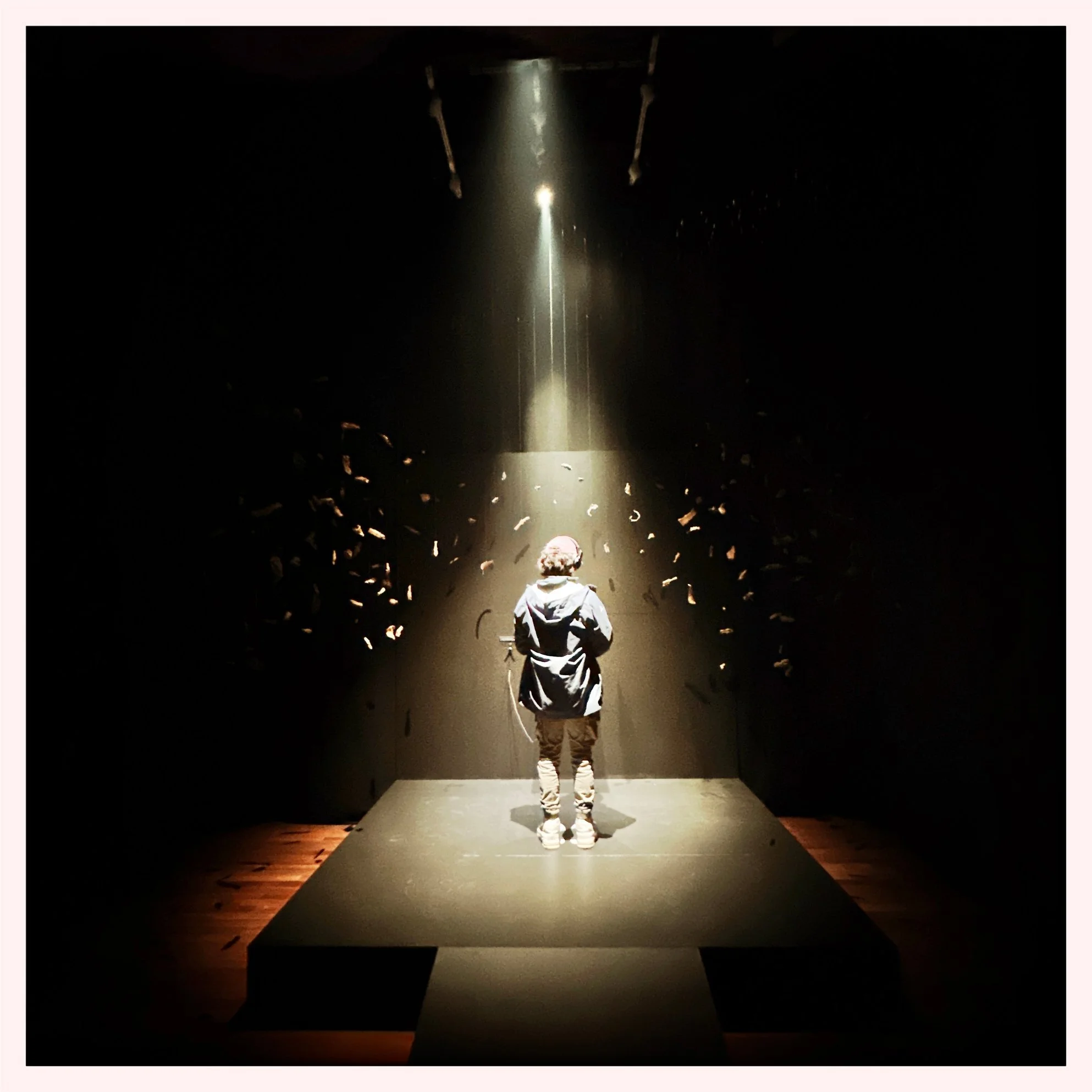
Throat of the Wind' is a site-specific sound installation based on long-term field research. It converges the energies of history, wind, and electromagnetism into a discarded turbine blade, transforming it into an earth instrument—a 'throat' for the land's memory.
Alida Sun
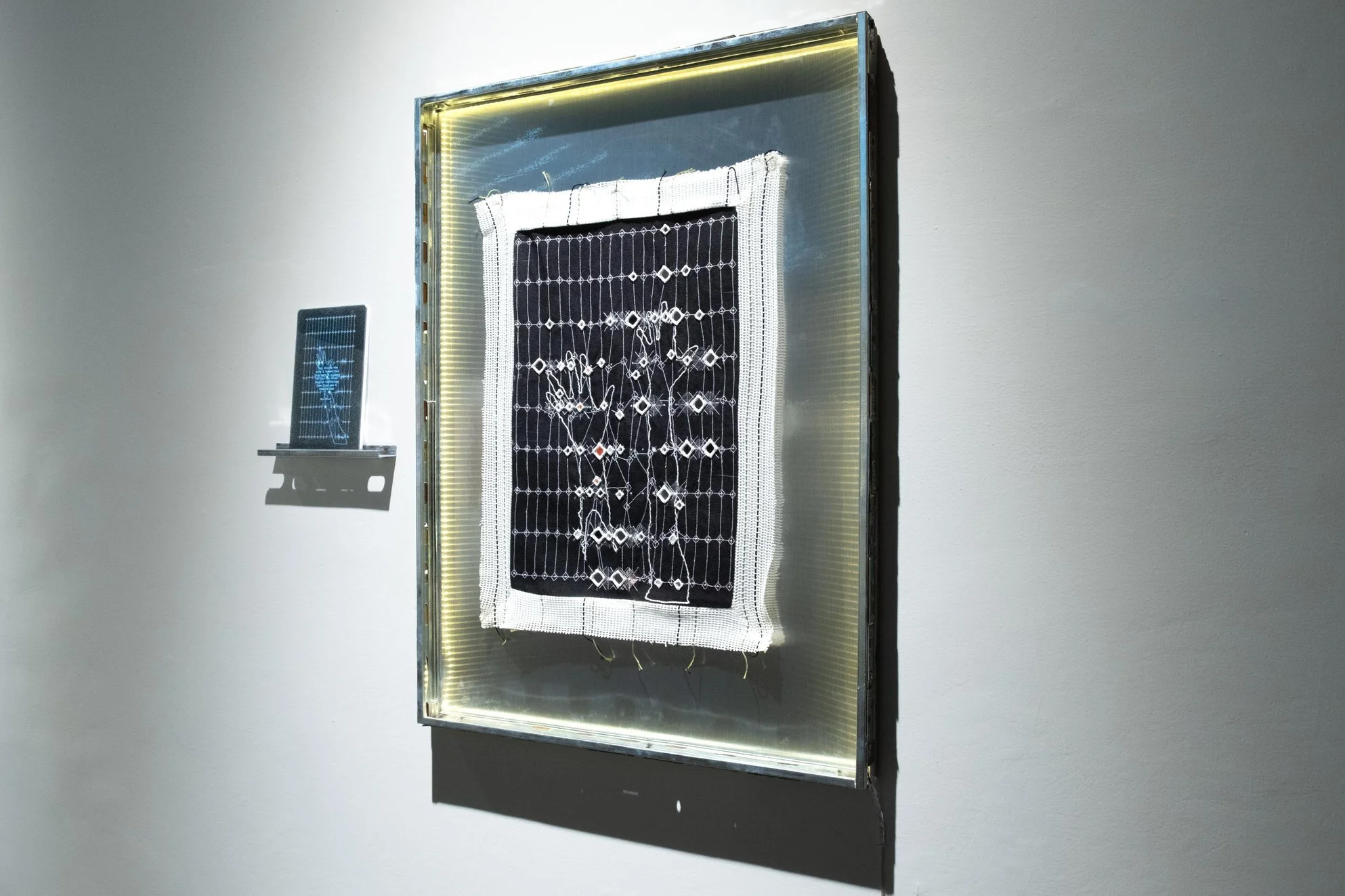
RITES reclaims women’s erased computational heritage through code, ritual, embroidery, and care. Integrating custom software, light, sound, and traditional mirror work, each tapestry is an abstract human–machine portrait and encrypted sigil re-imagining technology as resistance.
Amor Muñoz
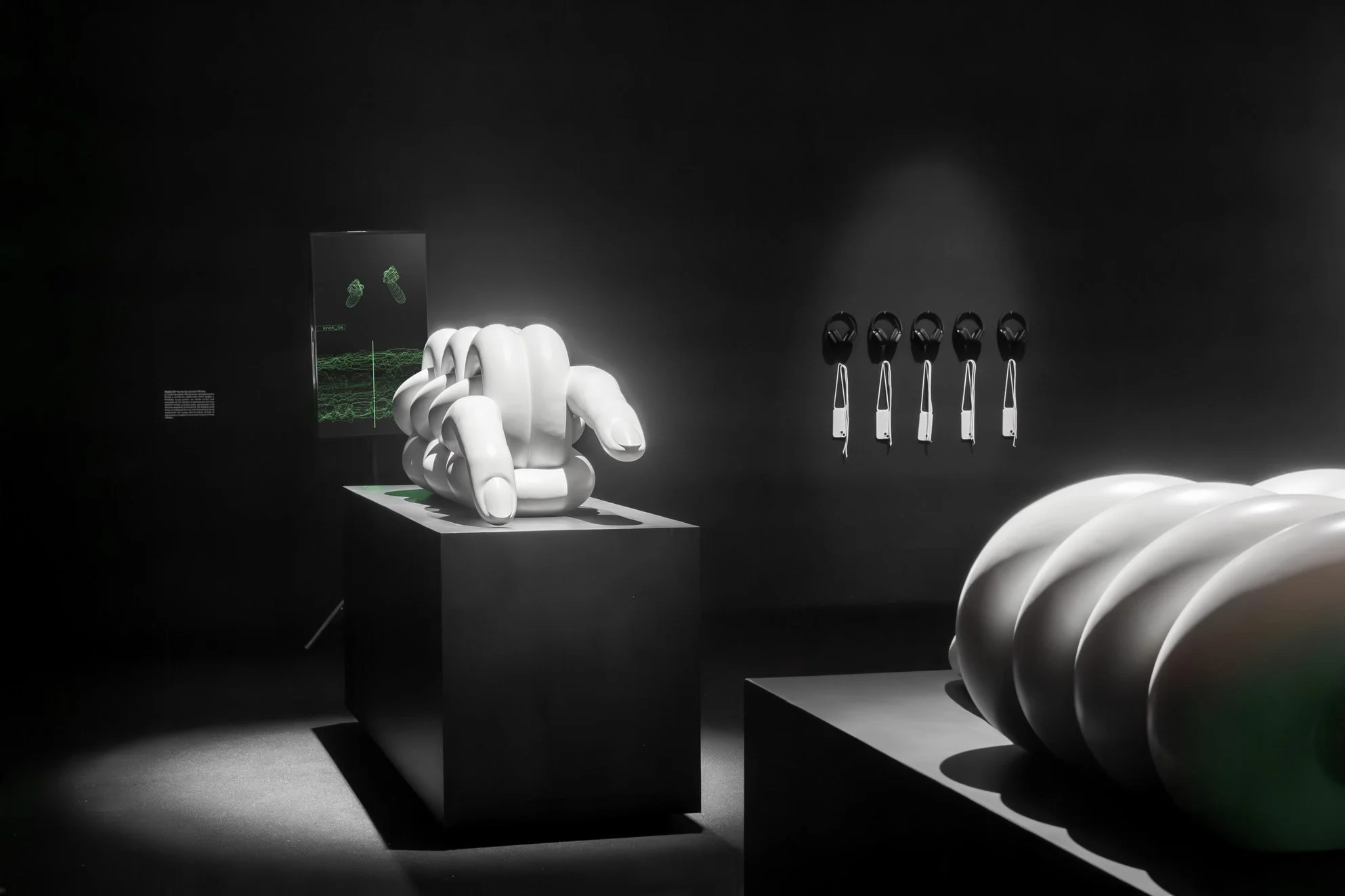
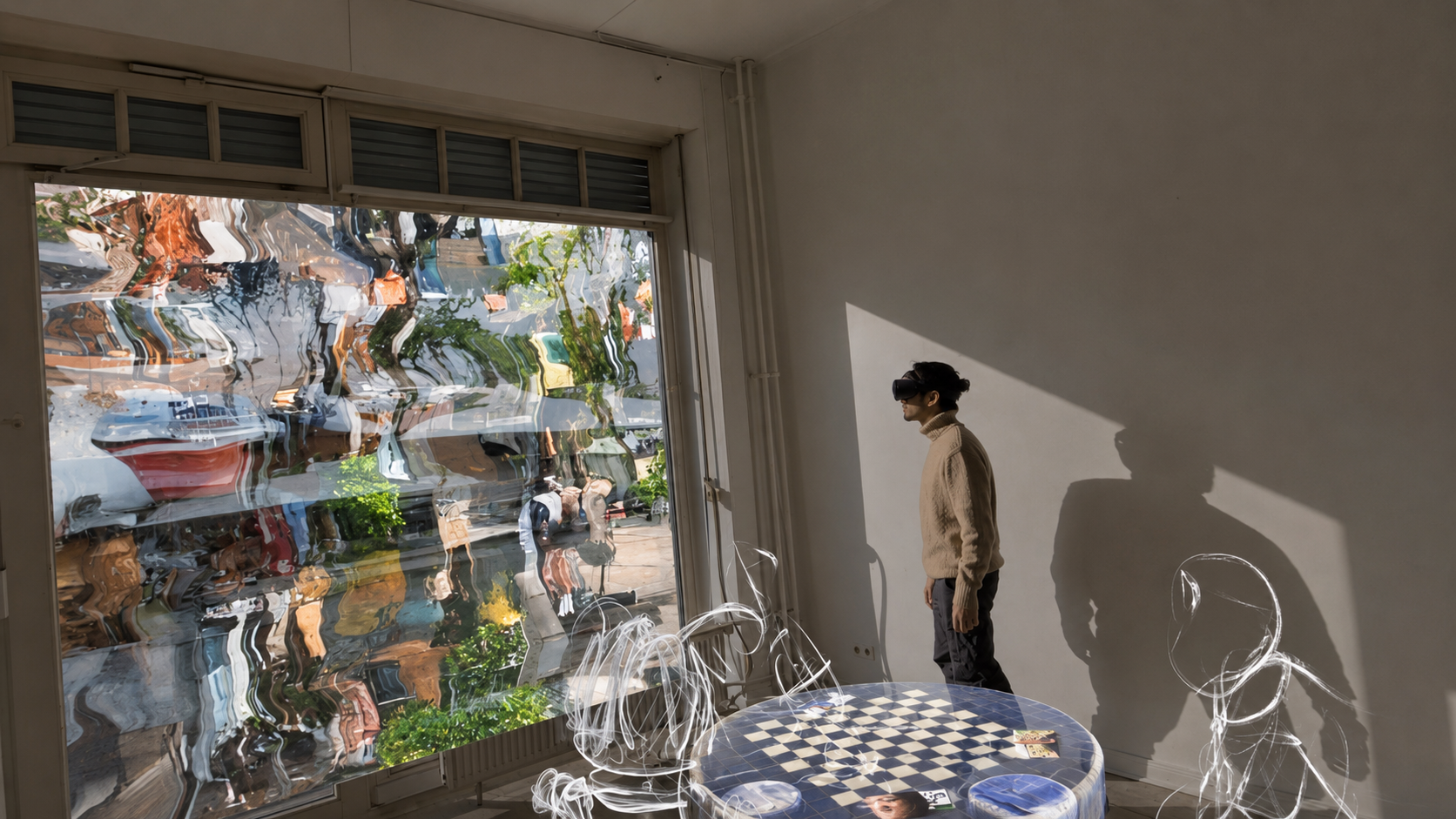
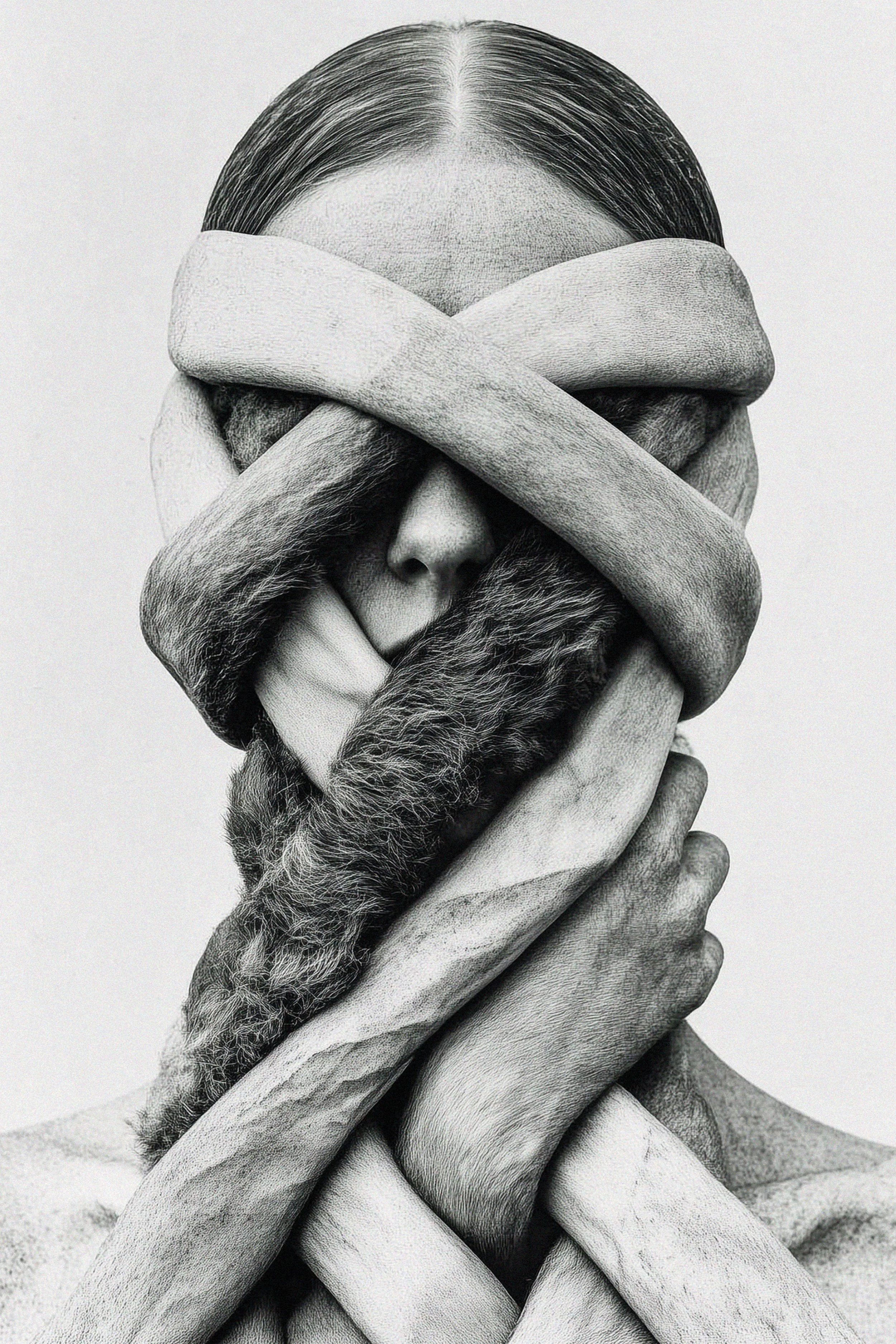
Five sculptures of knotted fingers where, through augmented reality, body movement modulates sounds in spatial audio generated from hand-woven data (motion capture gloves). A reflection on craftsmanship in times of digital automation.
Antigoni Tsagkaropoulou
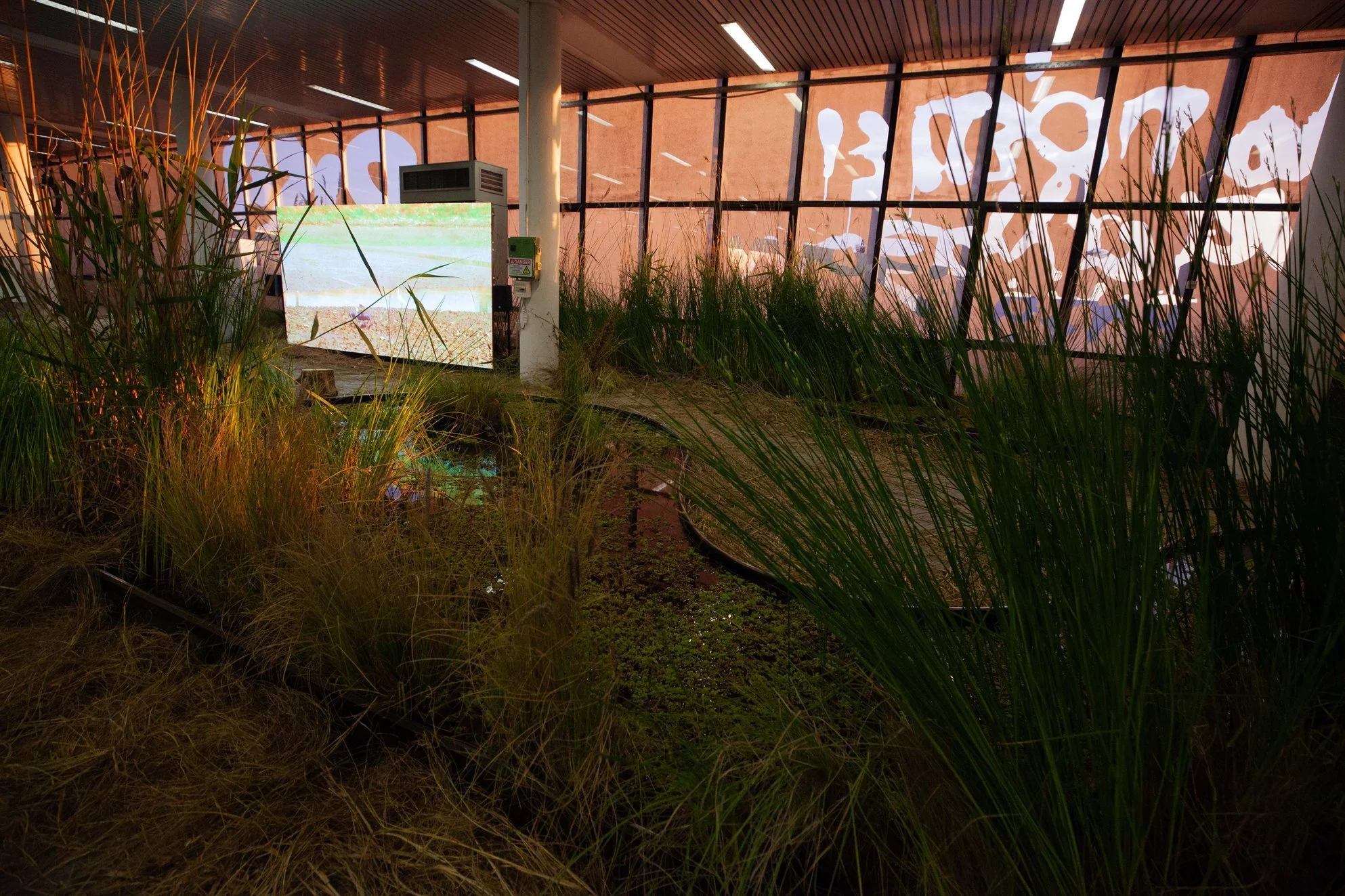
In The Wild is a living,visual poem about queer sensing, care, and refusal beyond techno-capitalist logics. Across wetland time, robots, archives, and analogue/digital glitches, it critiques the fantasies of automation and explores intelligence as relational, embodied, and shared
Benjamin Bardou
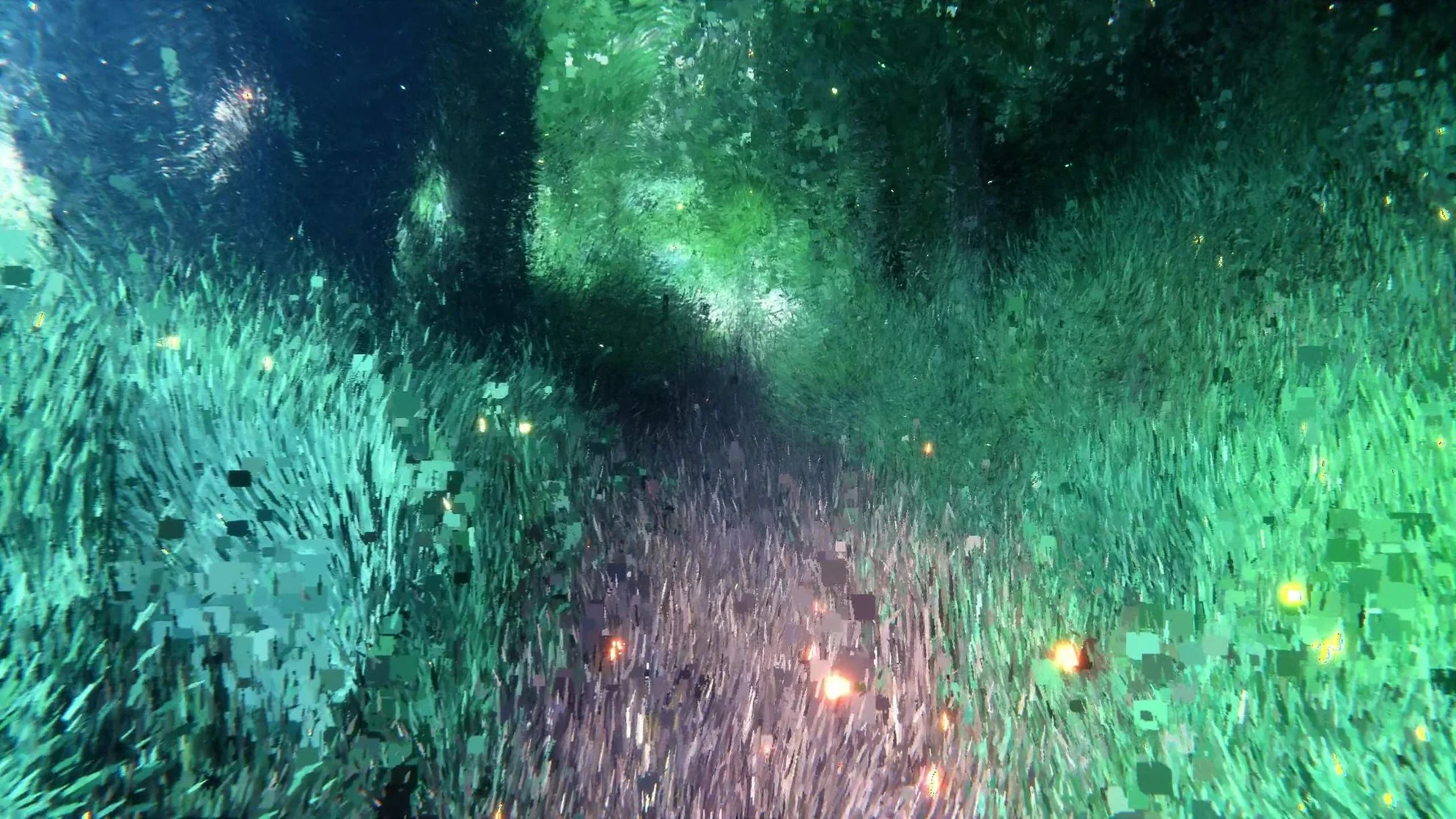
Memory of Brittany No.2 is a work of reminiscence, recalling a place through volumetric video and point clouds. Made shortly before my son’s birth, it gives form to memory while turning towards the future, as a quiet wish for him to encounter the beauty of the world.
Chloé Lee
Mixed-reality installation that reactivates a 2015 archive of Singaporean voices as a walkable film. Switching physical slides on a retro projector shifts holographic neighborhoods while AI renders future landscapes — granting viewers the narrative agency urban renewal denies.
Constance Lu Tianying Lei
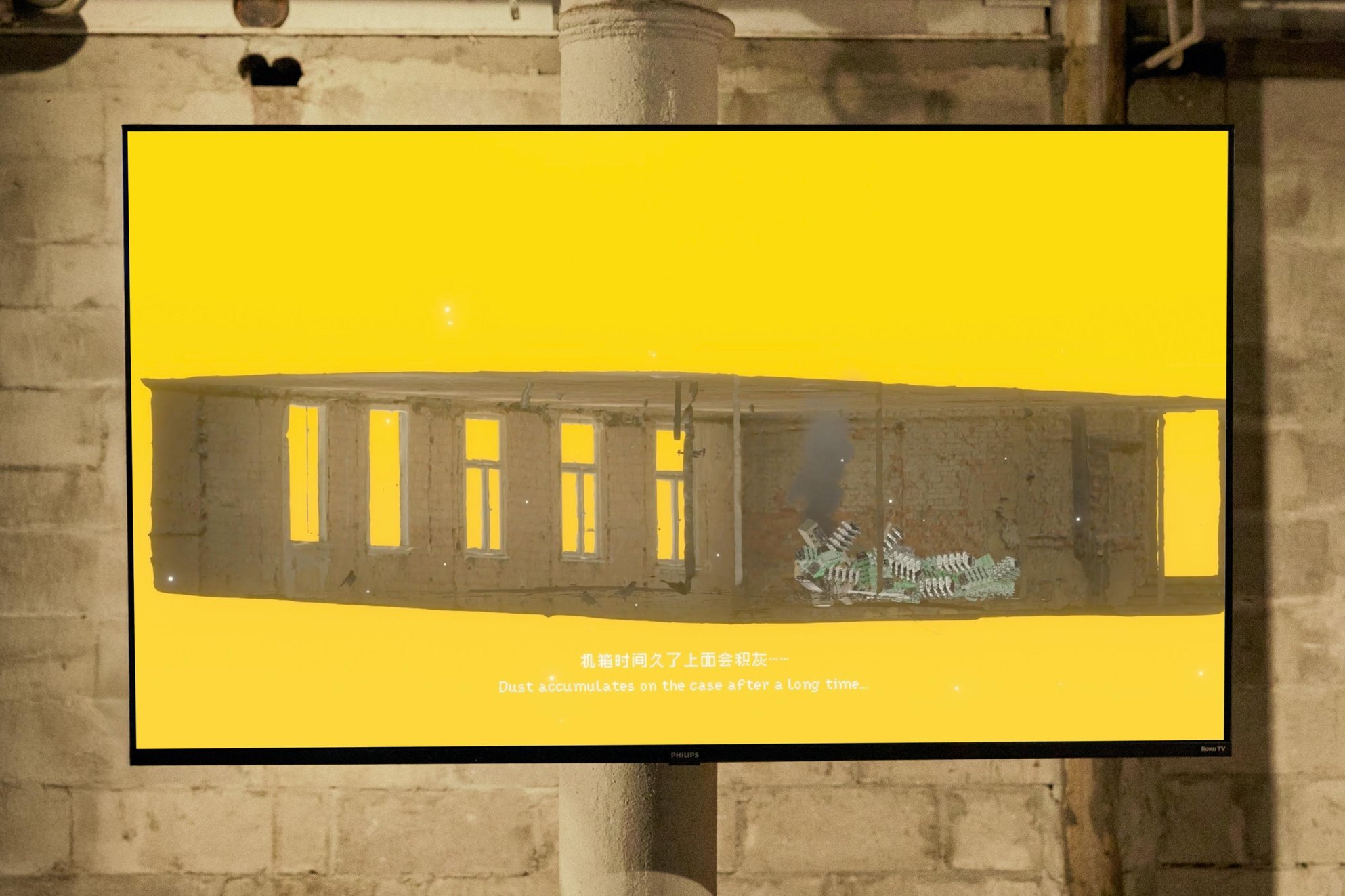
A web-based continuation infrastructure responding to visa-forced displacement. Three temporal layers — real journals, GPU-reconstructed objects, and AI-generated diary entries dated to the current day — examine how generative systems construct futures on behalf of the absent.
Cyrus Clarke
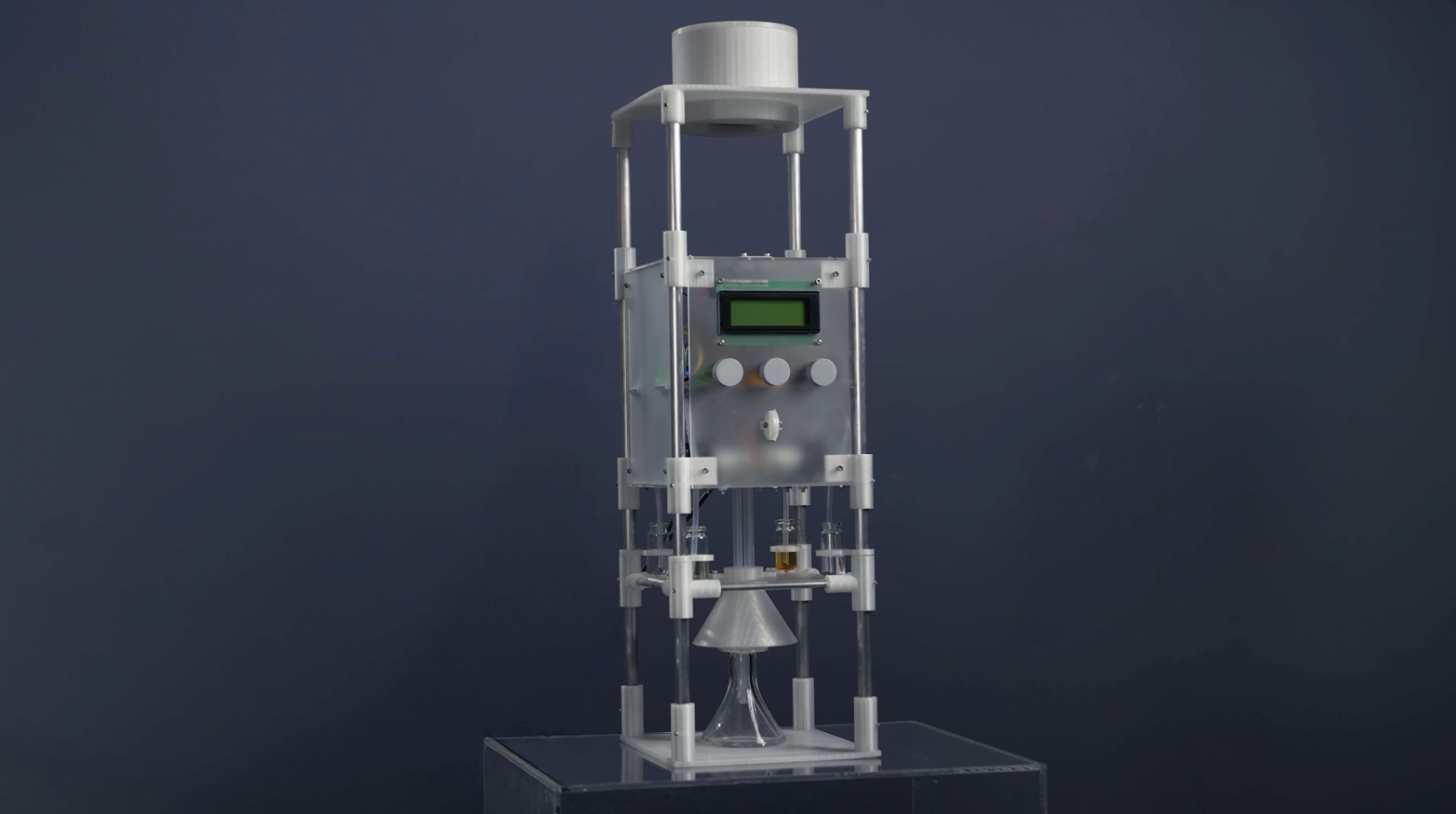
The Anemoia Device is a scent-memory machine that uses generative AI to distill archival photographs into bespoke fragrances. Each image is transformed into a scent that evokes anemoia: nostalgia for a time one has never lived.
daisy* | Masato Inagaki
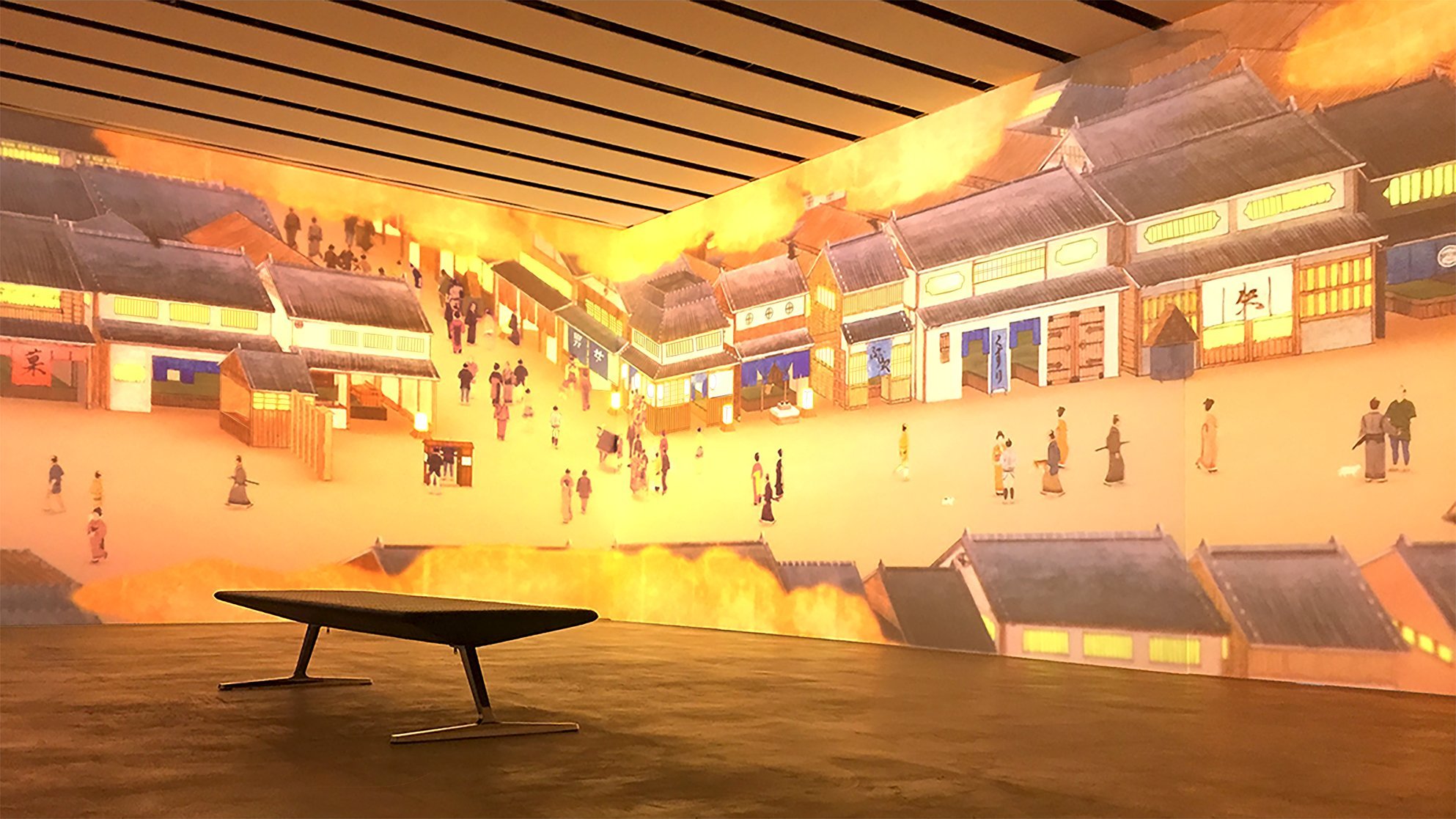
Reconstructed through realtime 3DCG and autonomous simulation systems, the simulated Edo city reinterprets Kidai Shoran as a computational microcosm shaped by emergent social behaviors, where cultural memory evolves between history, artificial life, and cosmic order.
Ioana Vreme Moser
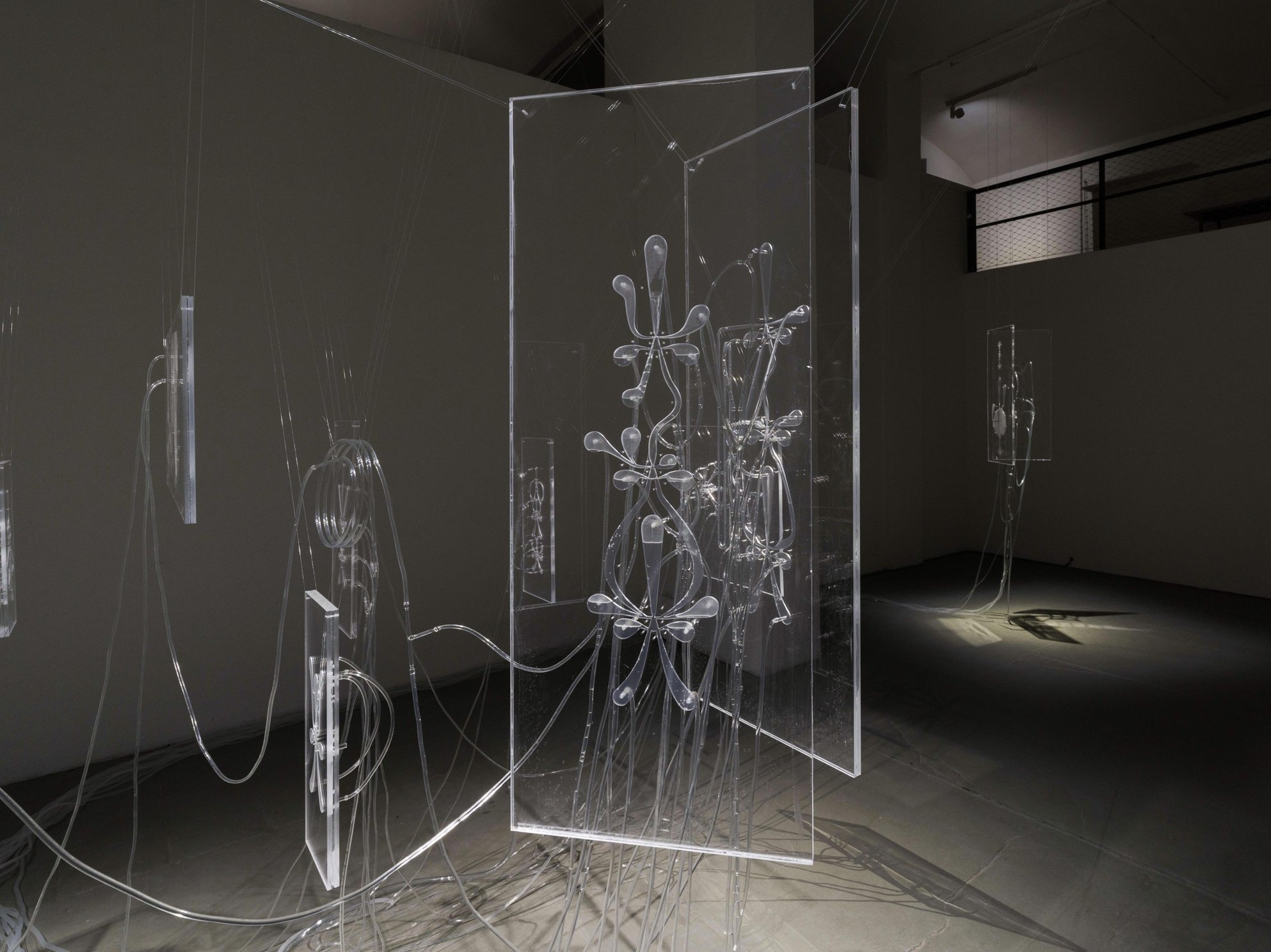
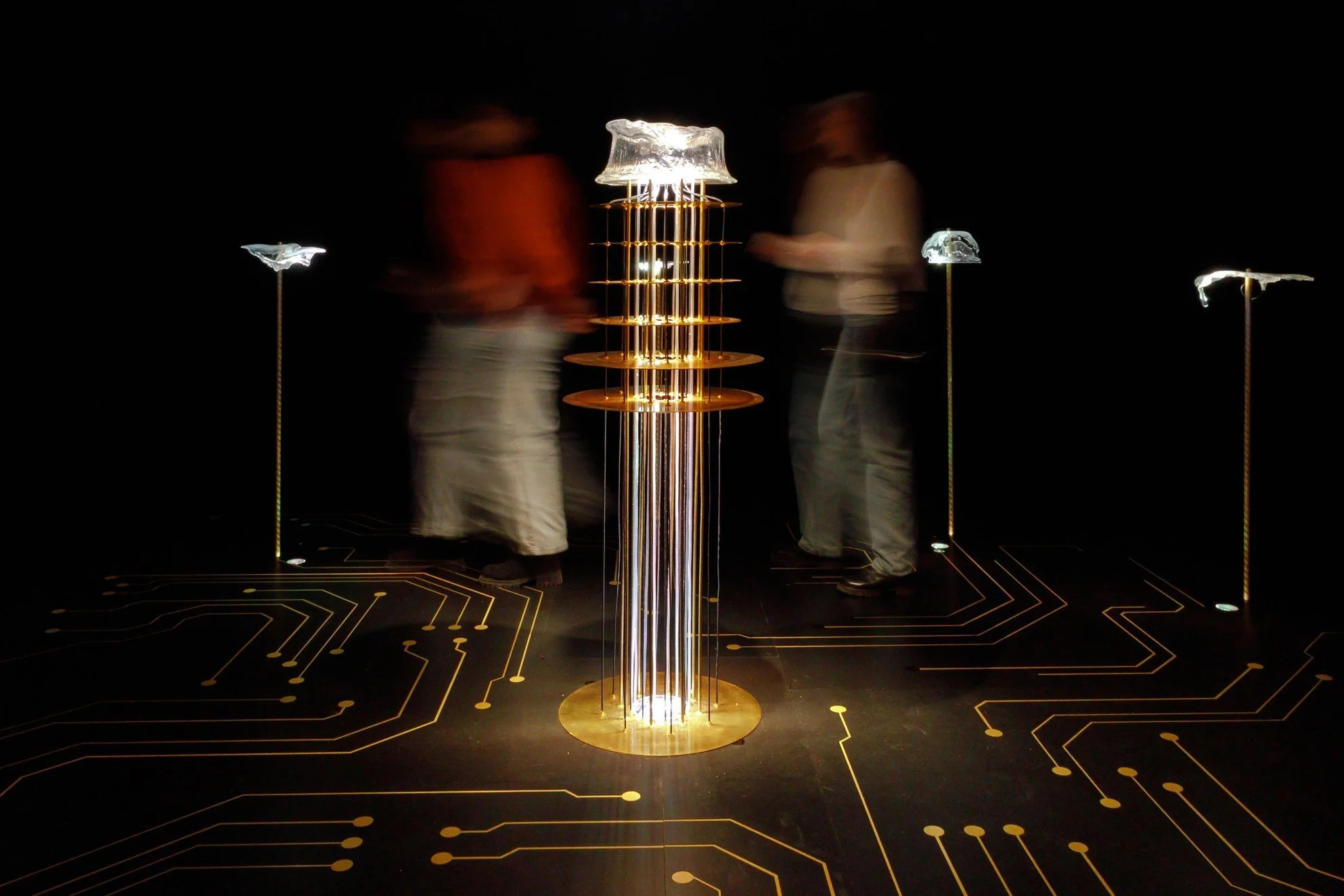
Fluid Anatomy unveils an analogue water & air computer that guides flows in a dynamic interplay of movement, pressure, and resonance. The installation highlights the resilience of fluidics, an alternative computational model to question the present-day technological narratives.
Kordae Jatafa Henry
IF NOT NOW is a speculative short set on the brink of extinction, where a father and son use ancestral technology to transcend space and time. Blending ritual, science fiction, and ecology, the film explores memory, survival, and rebirth.
Luke Shannon
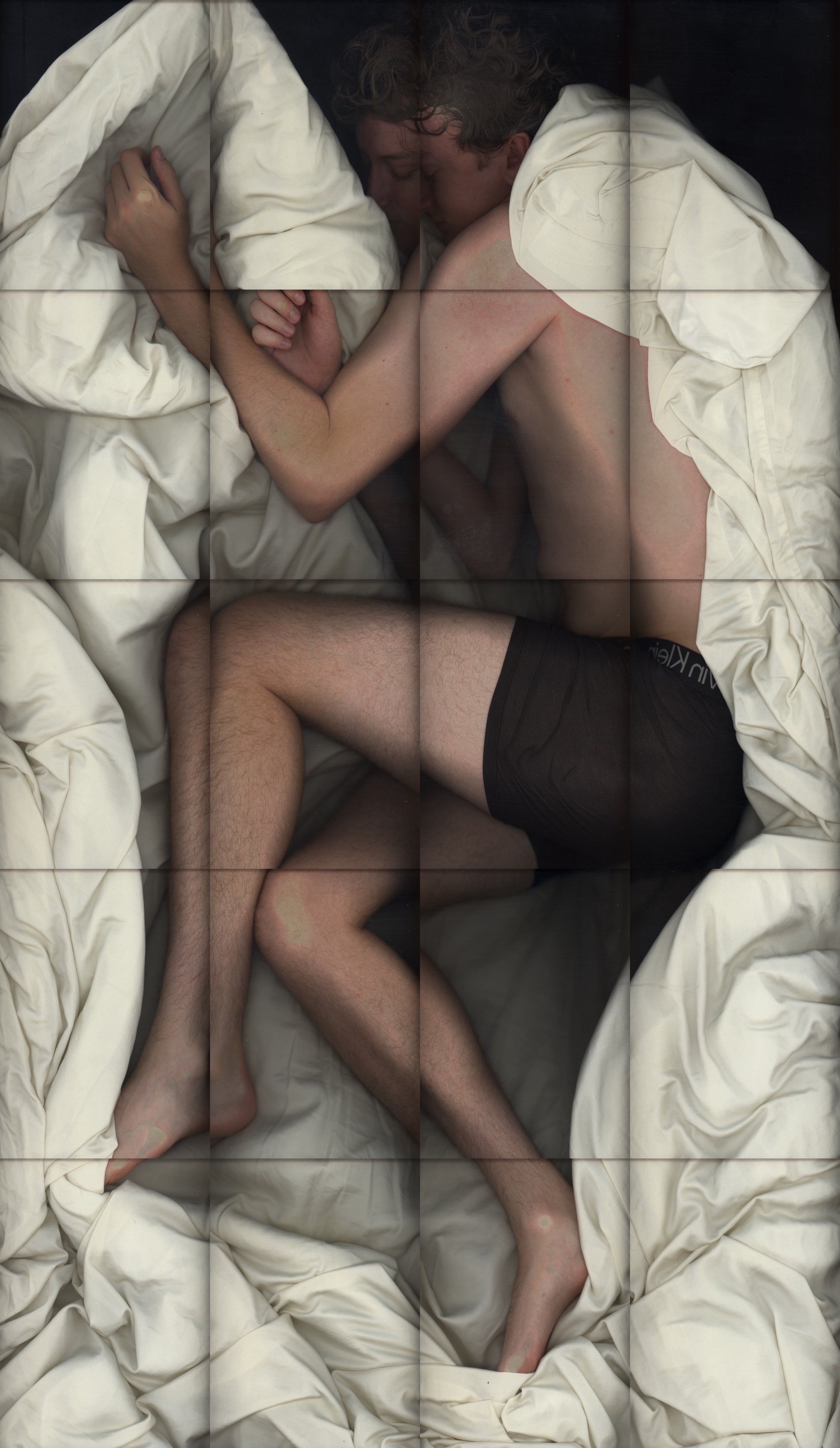
The plotter-scanner is an interactive kinetic sculpture that combines a modified document scanner and custom 4'x6' plotter to create a life-sized scanner capable of scanning people: a tool of simultaneous surveillance and witness, both expansive and fragmenting—like the internet.
Matt DesLauriers, Kjetil Golid and Andreas Rau
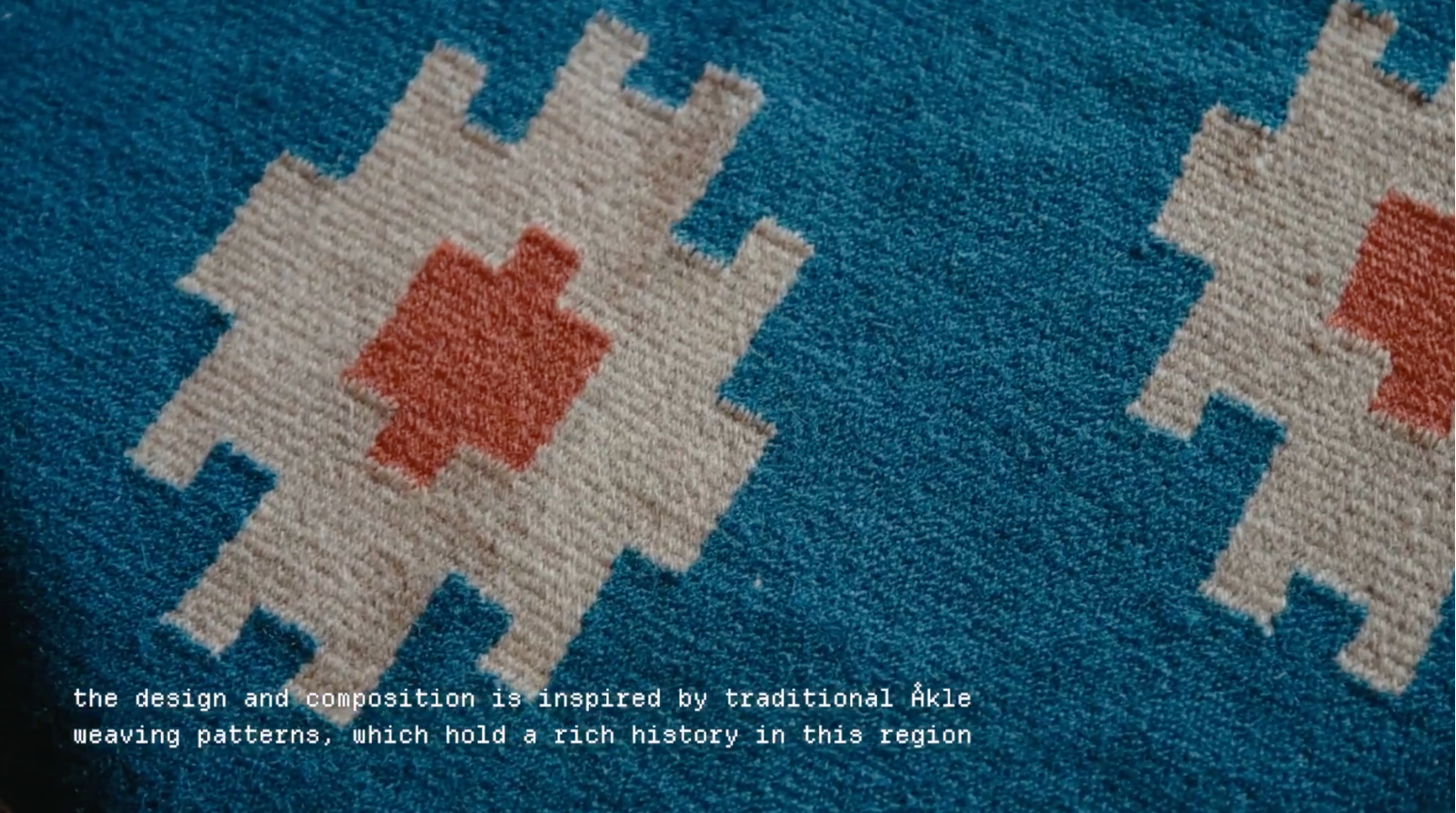
Pattern Language engages with the textile history of Western Norway in a contemporary context. In an interactive installation, audiences playfully explore a generative system building on traditional Åkle weaving patterns. Selected outputs are presented as jacquard-woven textiles.
Mimi Ọnụọha
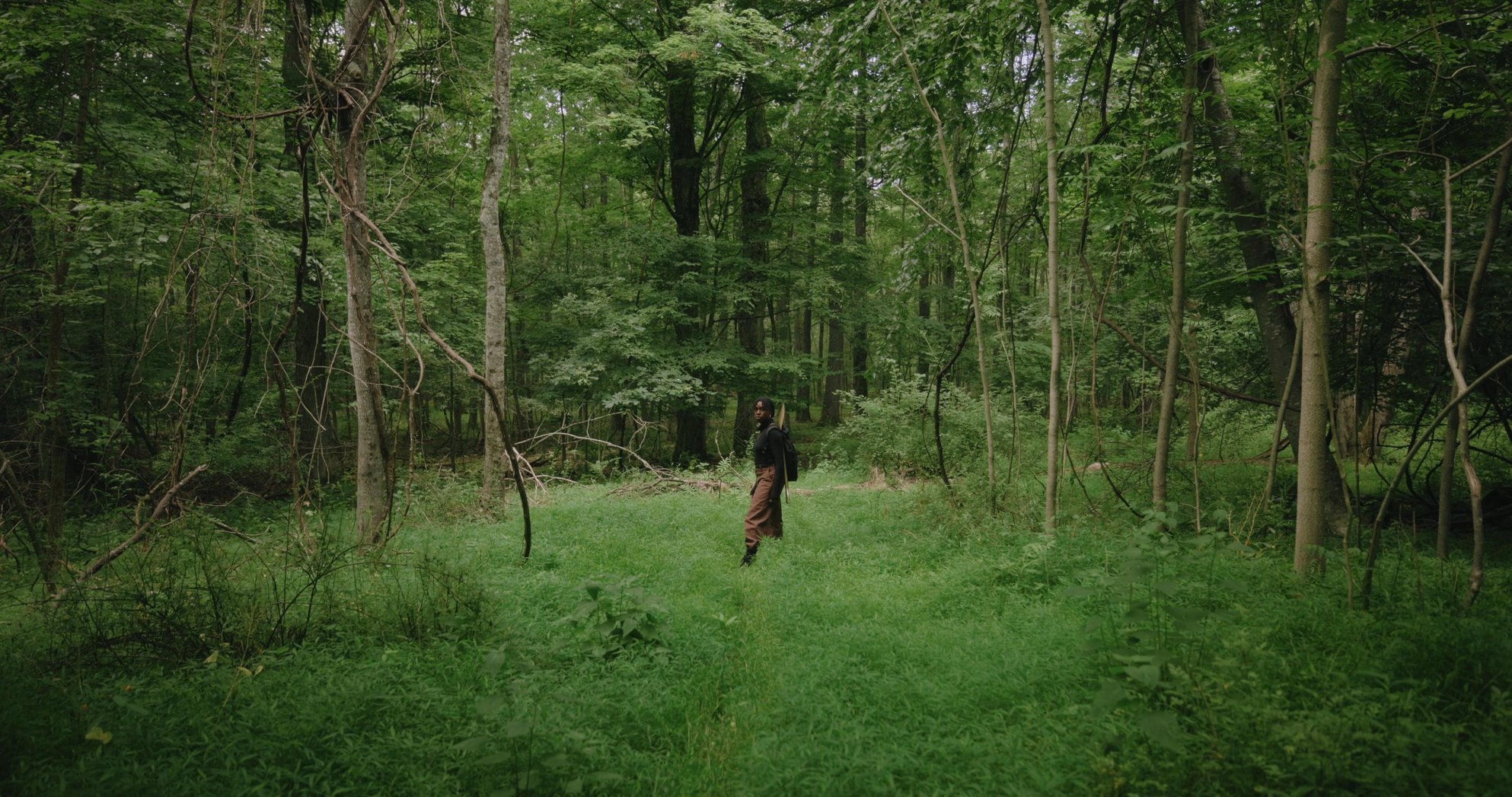
Ground Truths follows Mimi Ọnụọha after 95 bodies are discovered in her Texas hometown. Shaken, she builds a machine learning model to predict where other such graves lie and discovers what happens when the tools we build to find truth rely on systems designed on forgetting.
Mo H. Zareei
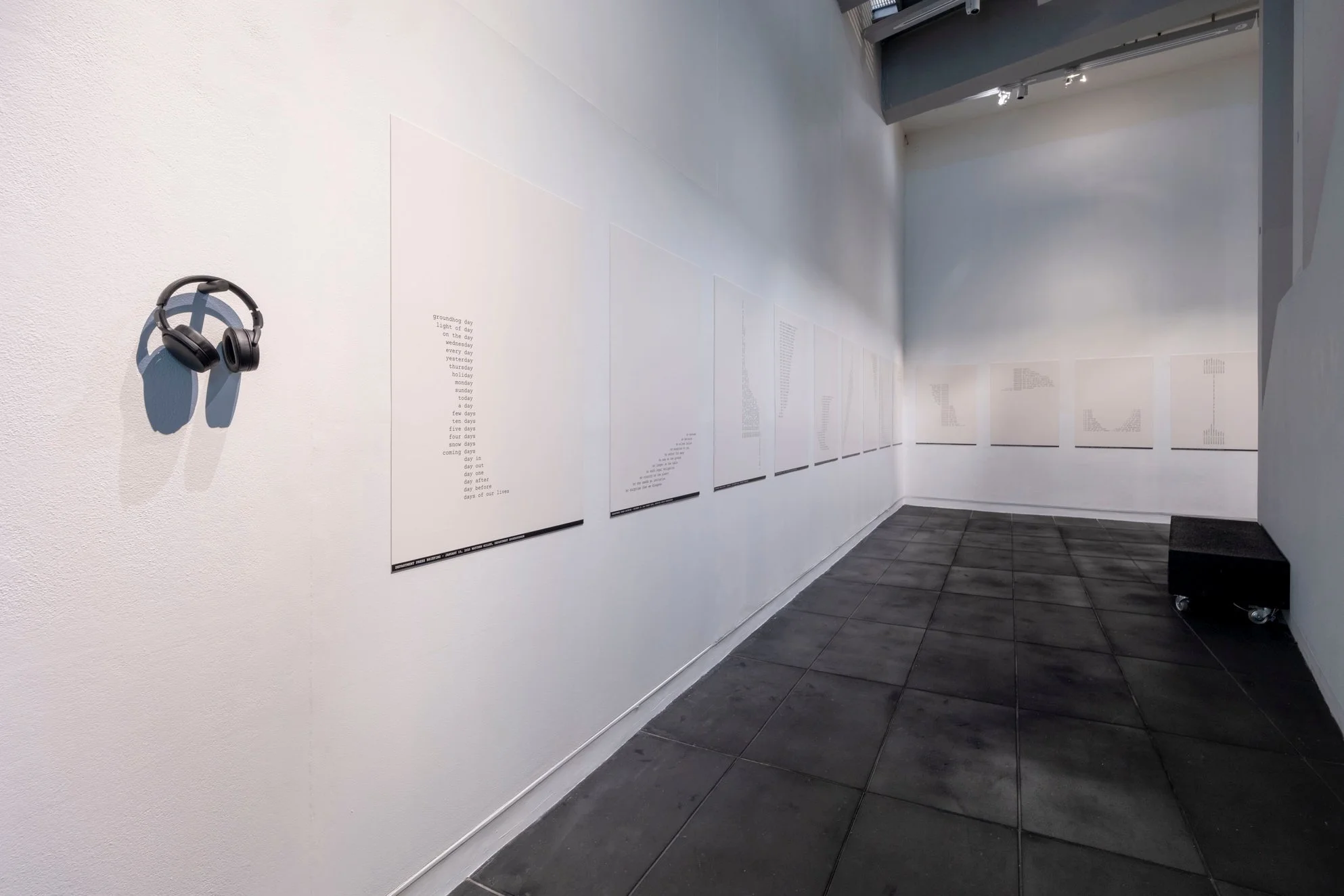
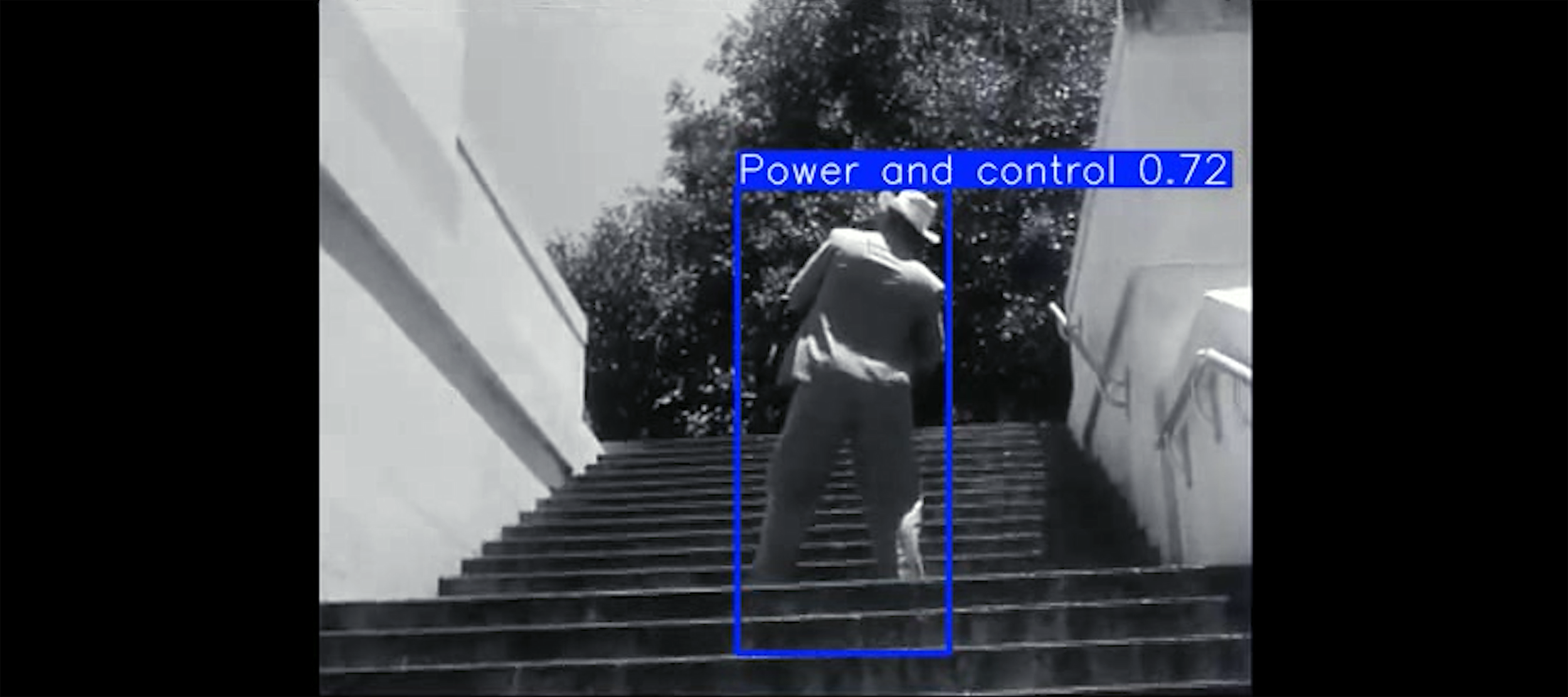
Department Press Briefings dissects U.S. State Department press briefings using concrete poetry and electronic music. Through digital intervention, the work responds to the engineered vocabulary of bureaucratic speech, and its ability to sound definitive while revealing little.
No Ghost and Dialled In
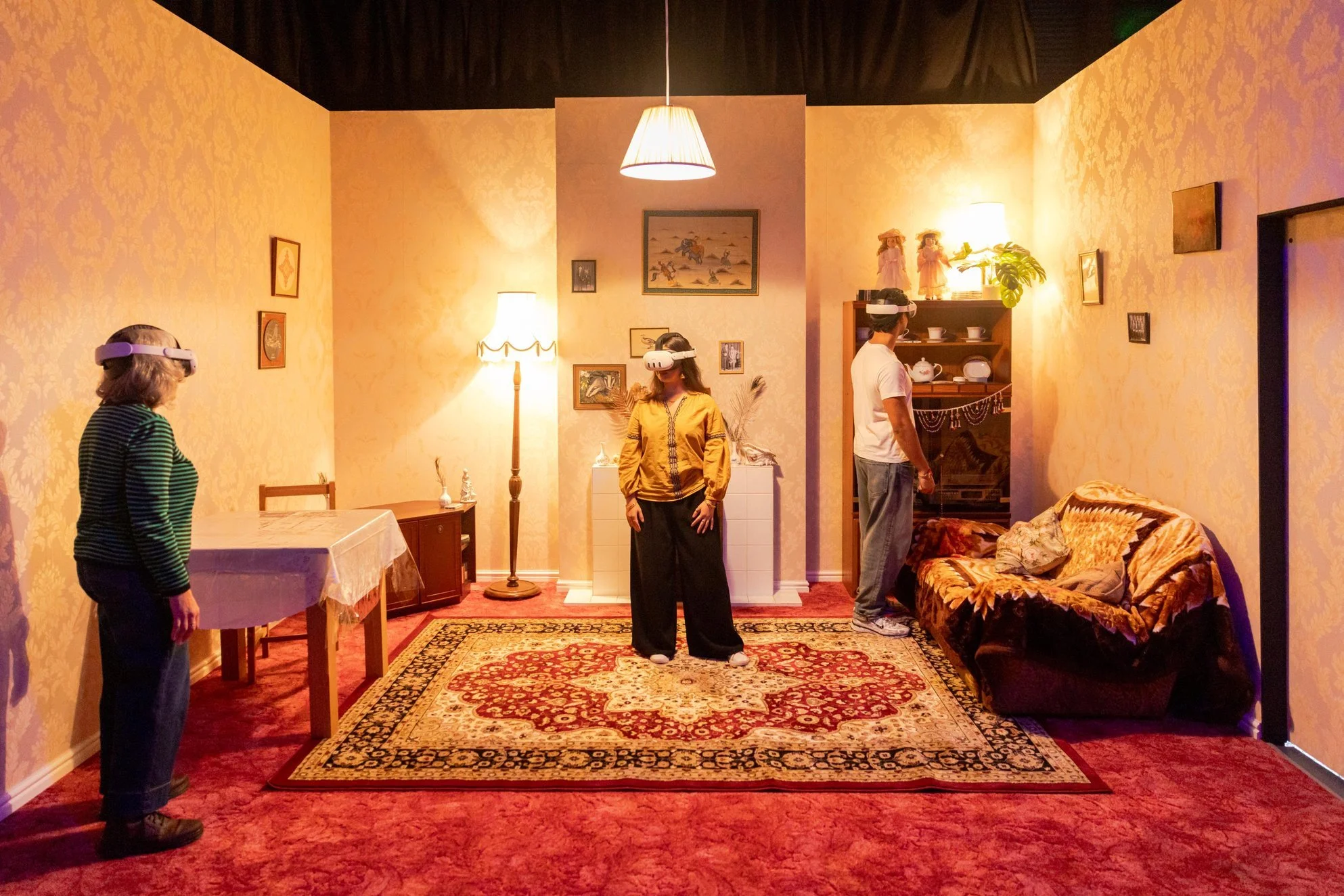
A multiplayer, mixed-reality experience that explores the history of British South Asian youth culture and the 1970-80s Daytimers club scene. The project blends archival footage, oral histories, hand crafted animation and cutting-edge tech to celebrate resistance through music.
OONA
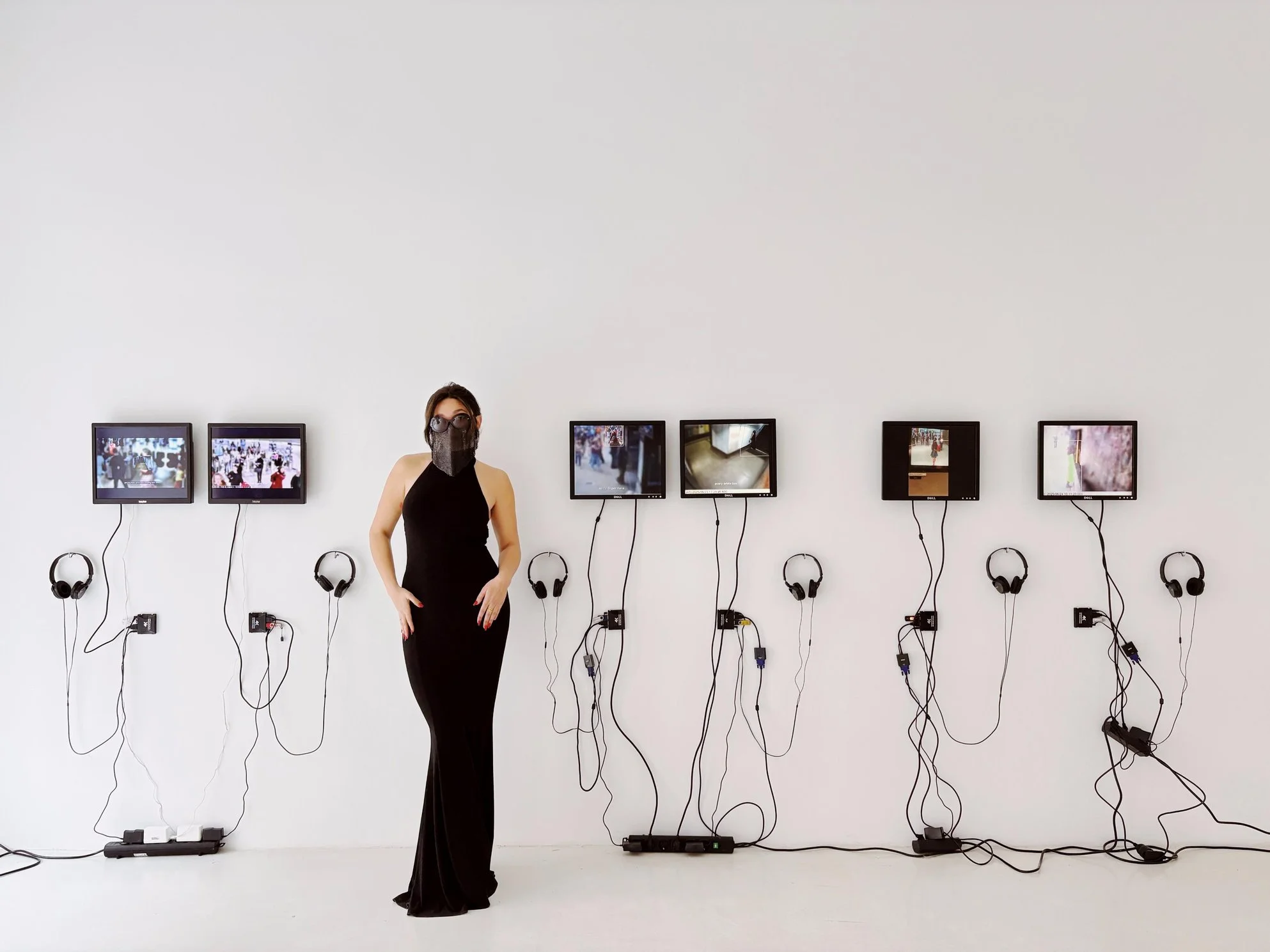
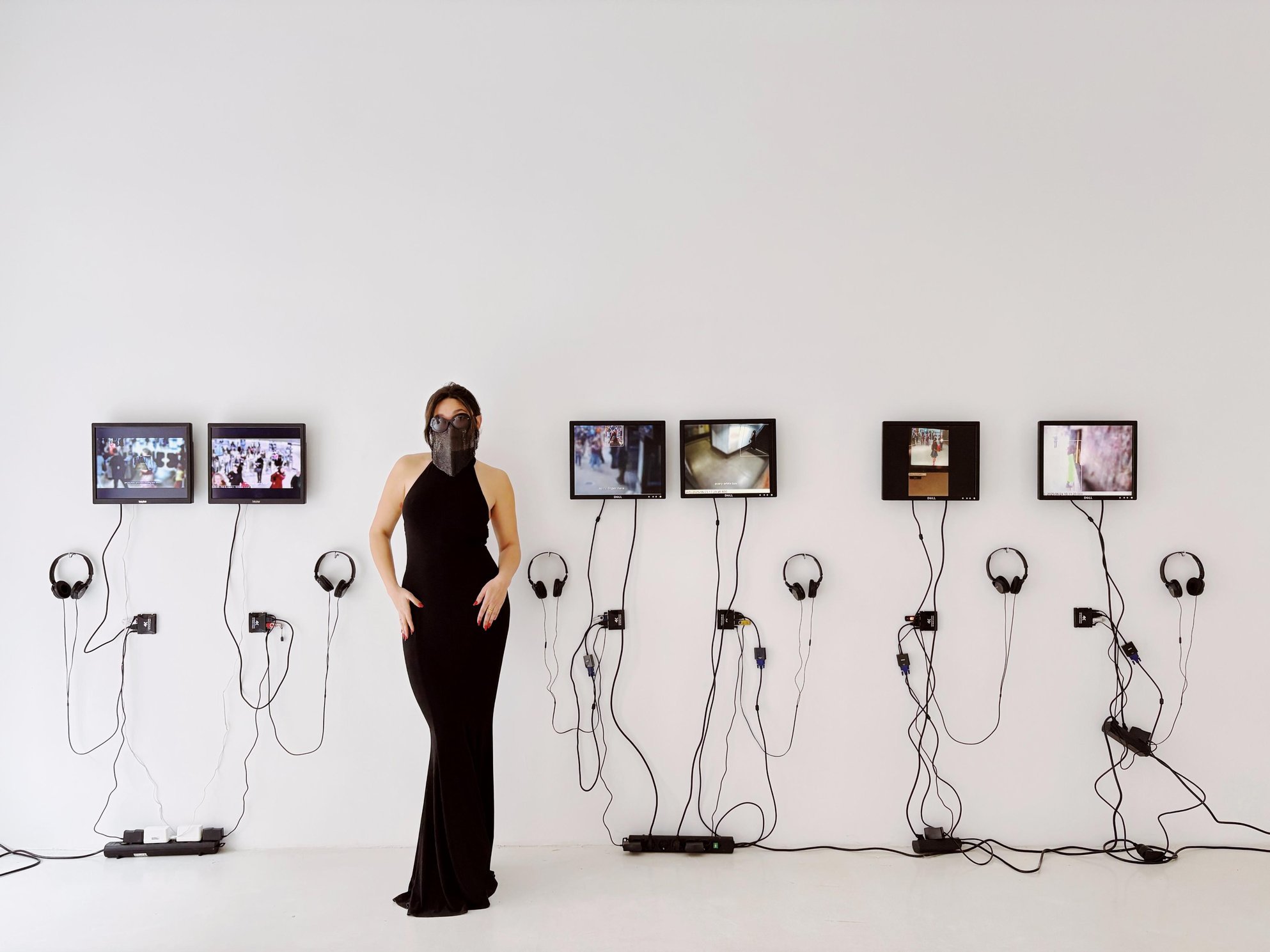
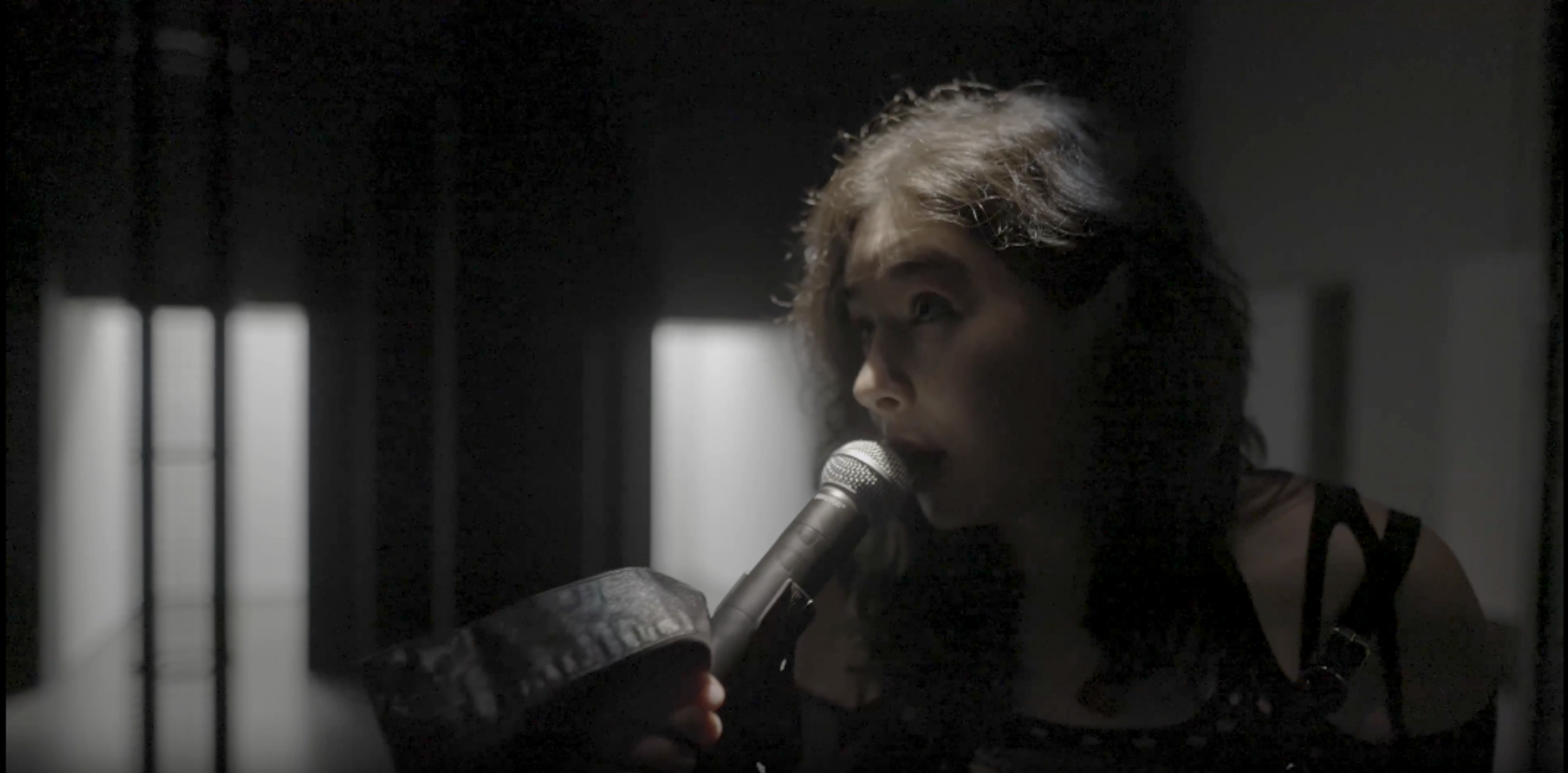
Dear David is a performance and video series built from my own London Underground CCTV footage and institutional correspondence. Framed as surveillance love letters, it turns surveillance, bureaucracy, and anonymity into a meditation on intimacy, visibility, and connection.
PARADE Collective
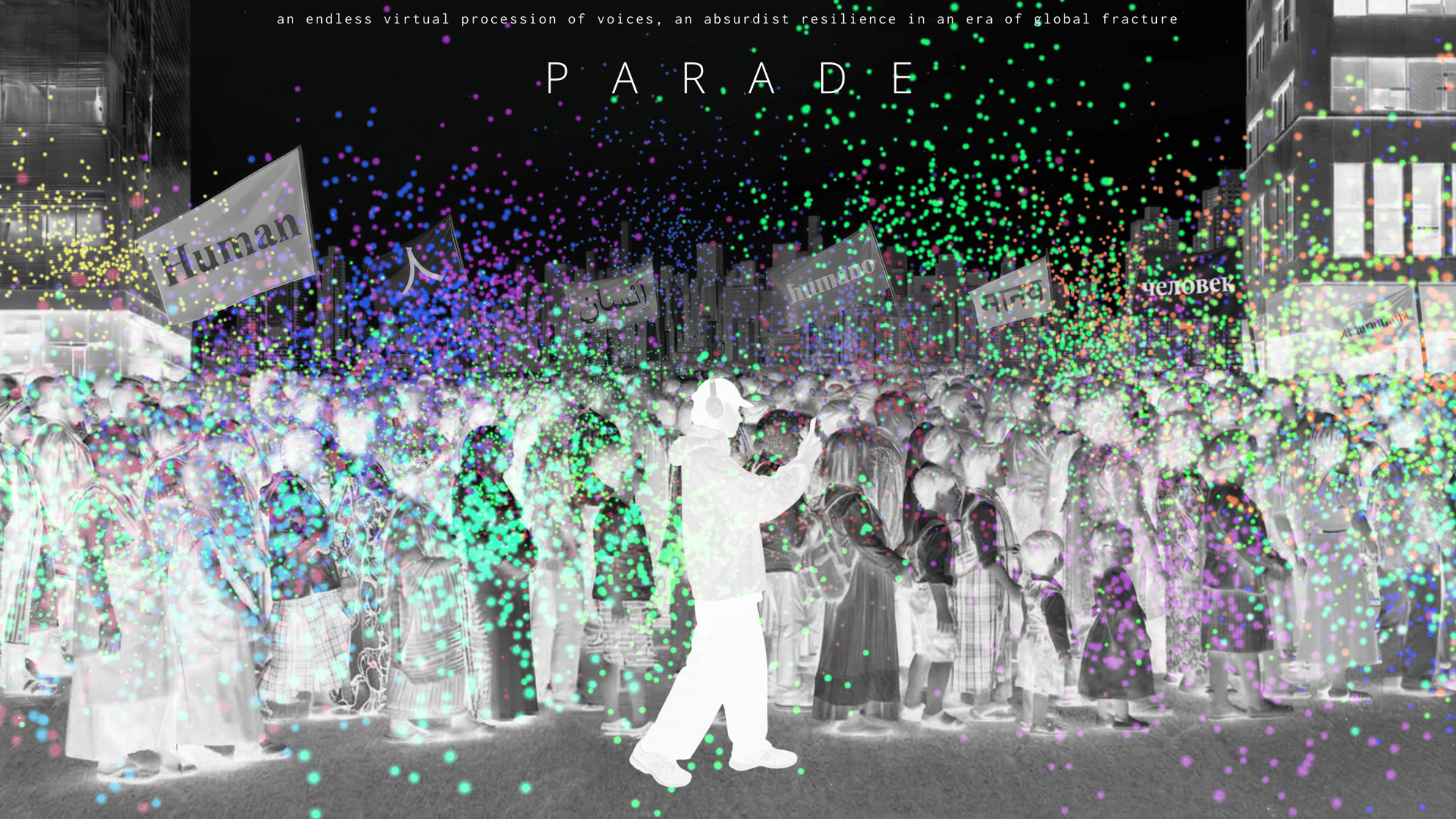
PARADE is a participatory web-based artwork enacting an endless procession of voices through spatial audio and WebXR. Open to the global public, it invites all to co-create a living sonic commons celebrating human complexity, dissonance, and resilience amid global fracture.
Robin Kane
Through ritual, stillness, and motion, the series traces the Circassian exile across past, present, and future. Bodies and landscapes become carriers of inherited memory - holding grief, survival, displacement, and the persistence of a scattered nation.
Ryat Yezbick and Milo Talwani
The Innocence of Unknowing is an AI-driven film and performance project that investigates how mass shootings are mediated, framed, and normalized through broadcast news. Using an AI they trained to think like a humanities scholar, the artists examine media from the 1960s to 2025.
Ryuta Aoki
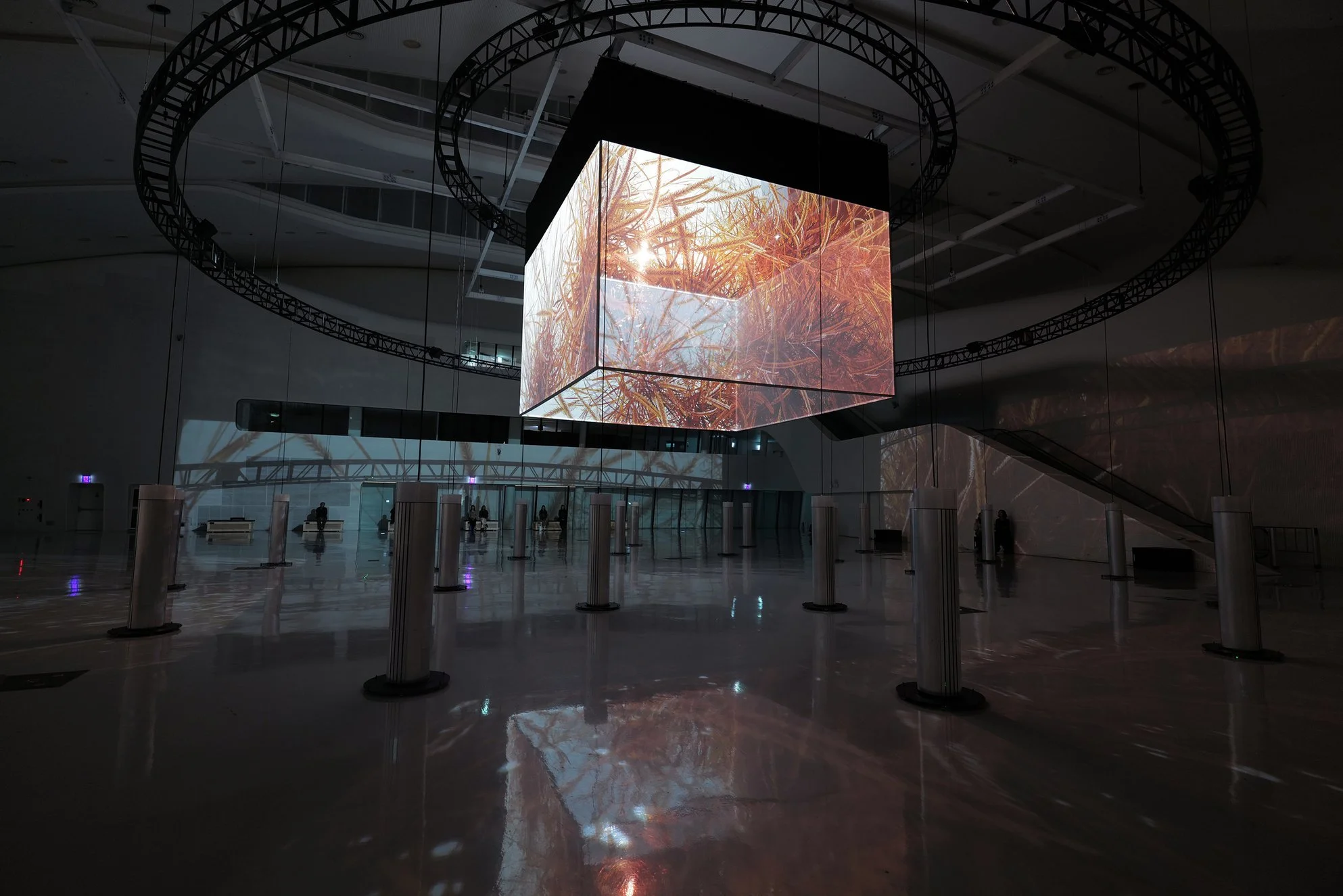
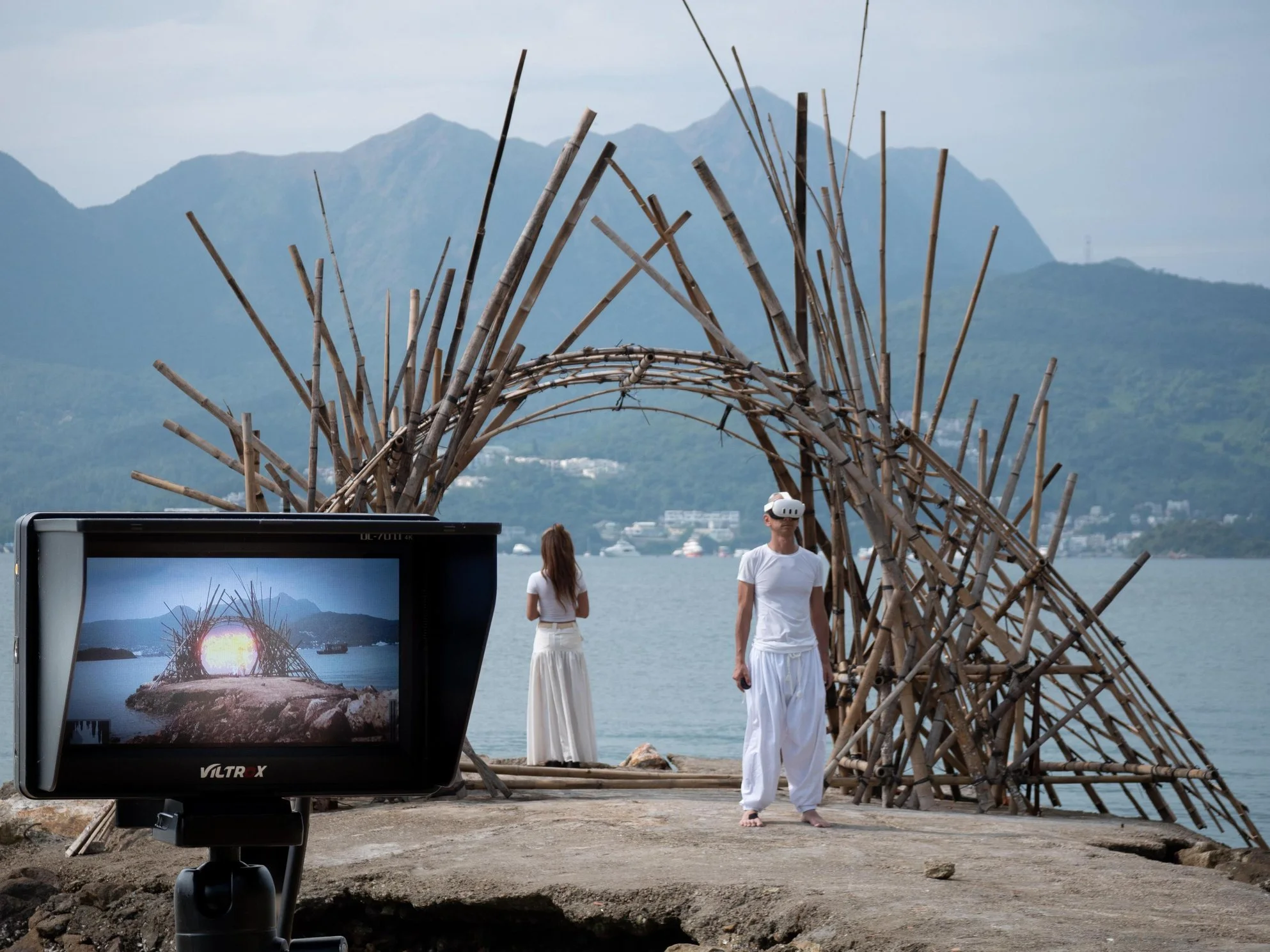
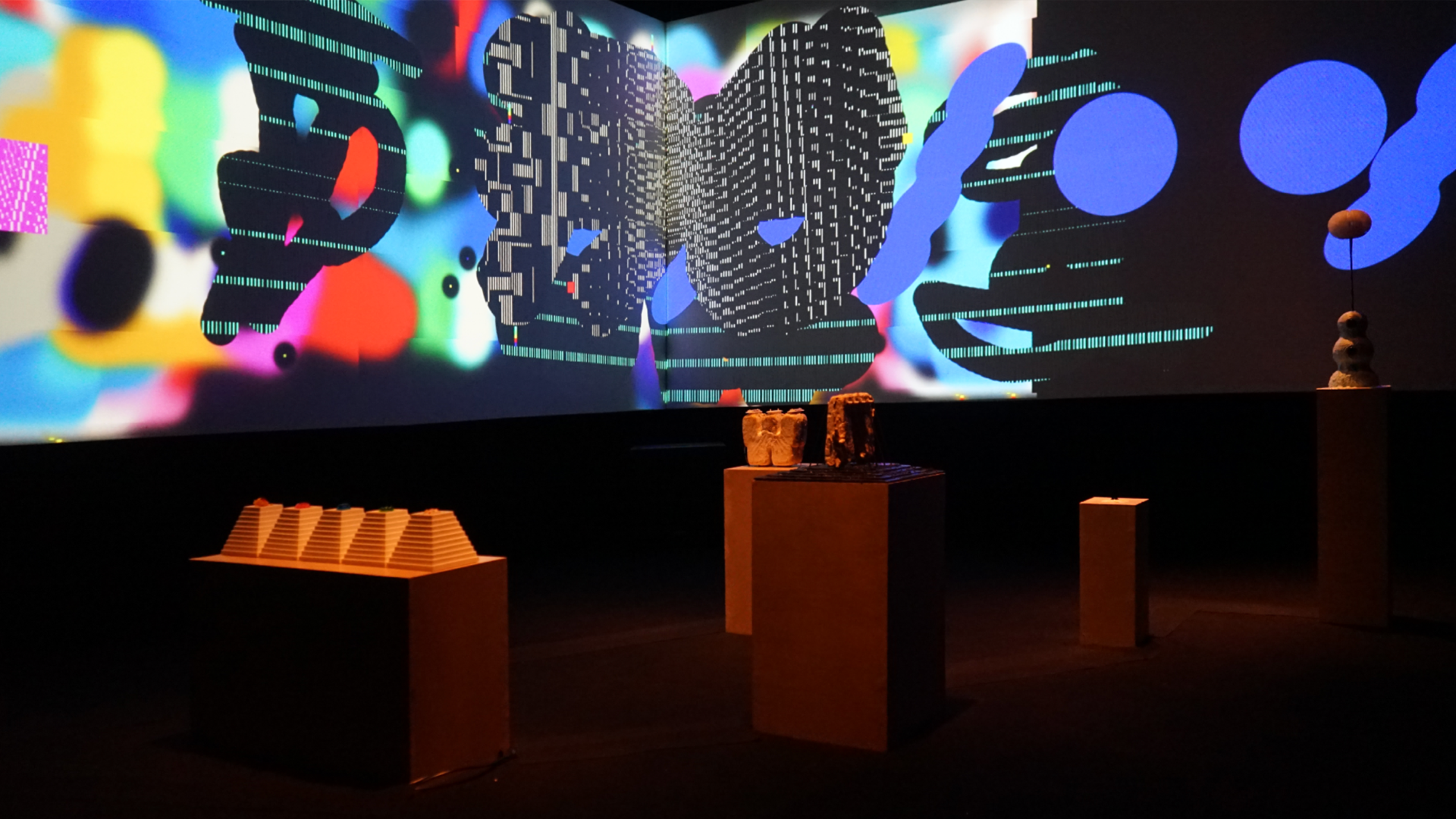
Quantum noise becomes rain in a universe inspired by vernacular cultures of computation. Rods trace the 28 Lunar Mansions; tatami and reeds ground sky, earth and human. Embodied ritual gestures attune the installation. Every 28 minutes, a sonic ecology is reborn.
Sasha Stiles
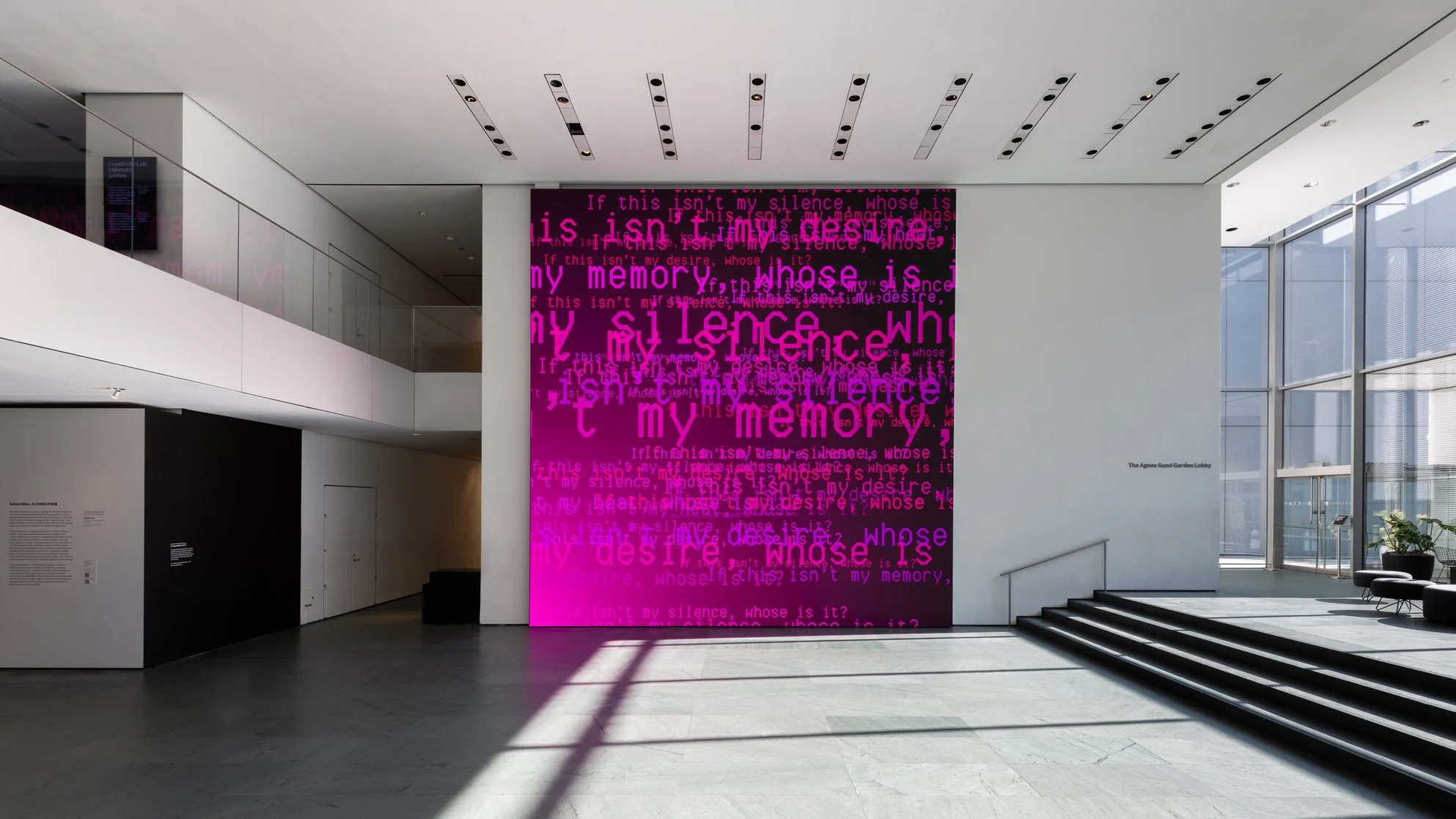
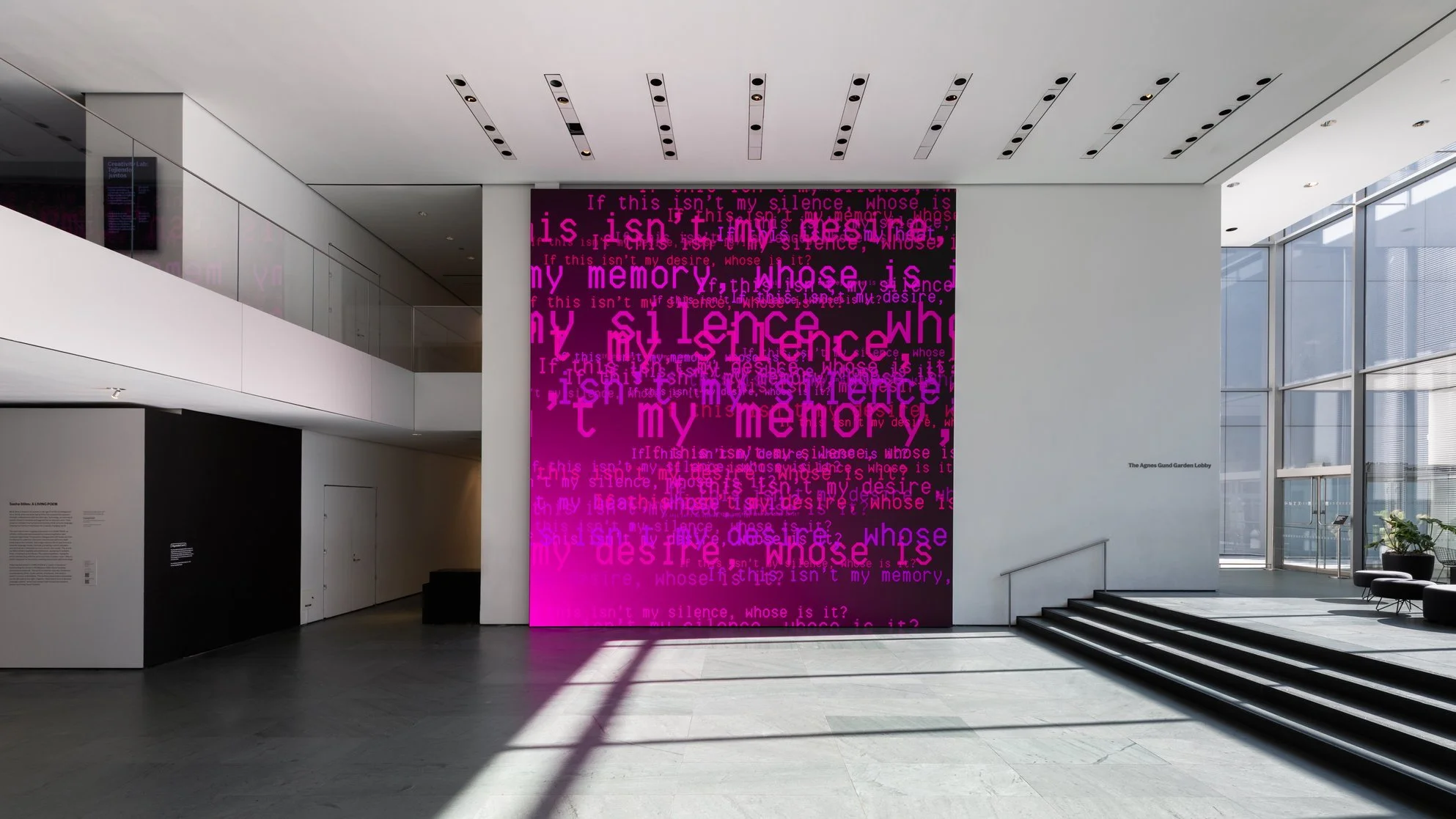
An immersive generative language environment that advances poetry as a defining medium of the 21st century, and explores “poetic intelligence” (the intertwining of emotion and algorithm to make meaning) as a model for how technology can deepen, rather than diminish, our humanity.
ShanMu Sun and Ruiqi Zhang
A minimal theater within a game engine foretells the failed future of automation and sketches an alternative trajectory for artificial intelligence.
Suzueri (Elico Suzuki)
This media installation overlays the narrative of Hedy Lamarr—the Hollywood actress who co-invented the precursor to Wi-Fi and Bluetooth—with visible light communication, critically examining women’s marginalized contributions to science history.
Willea Zwey
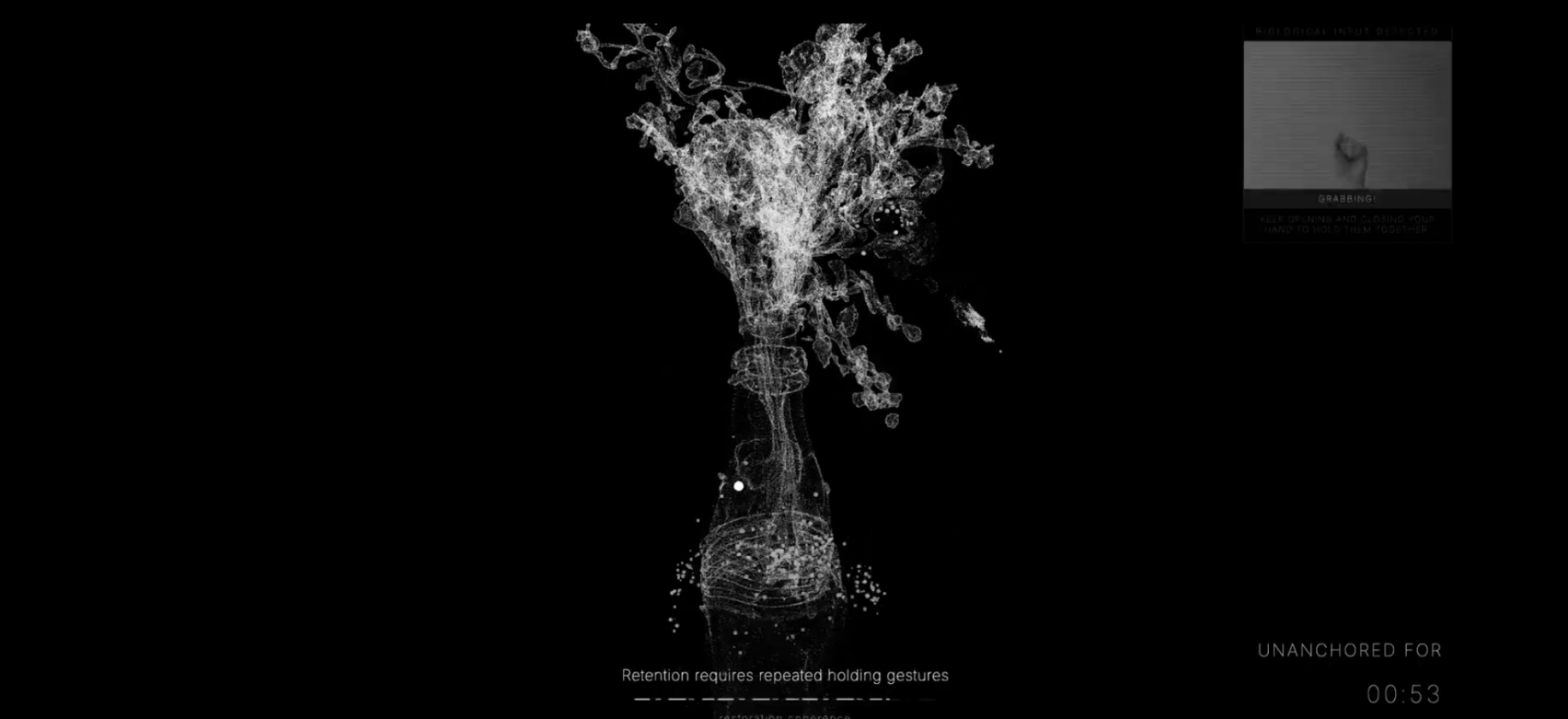
A 24/7 live generative system structurally designed to fail at perfect preservation by turning live footage into algorithmic abstraction and AI synthesis while withholding archival access. With intentional data decay, it contemplates modern digital preservation and human memory.
Yuma Kishi
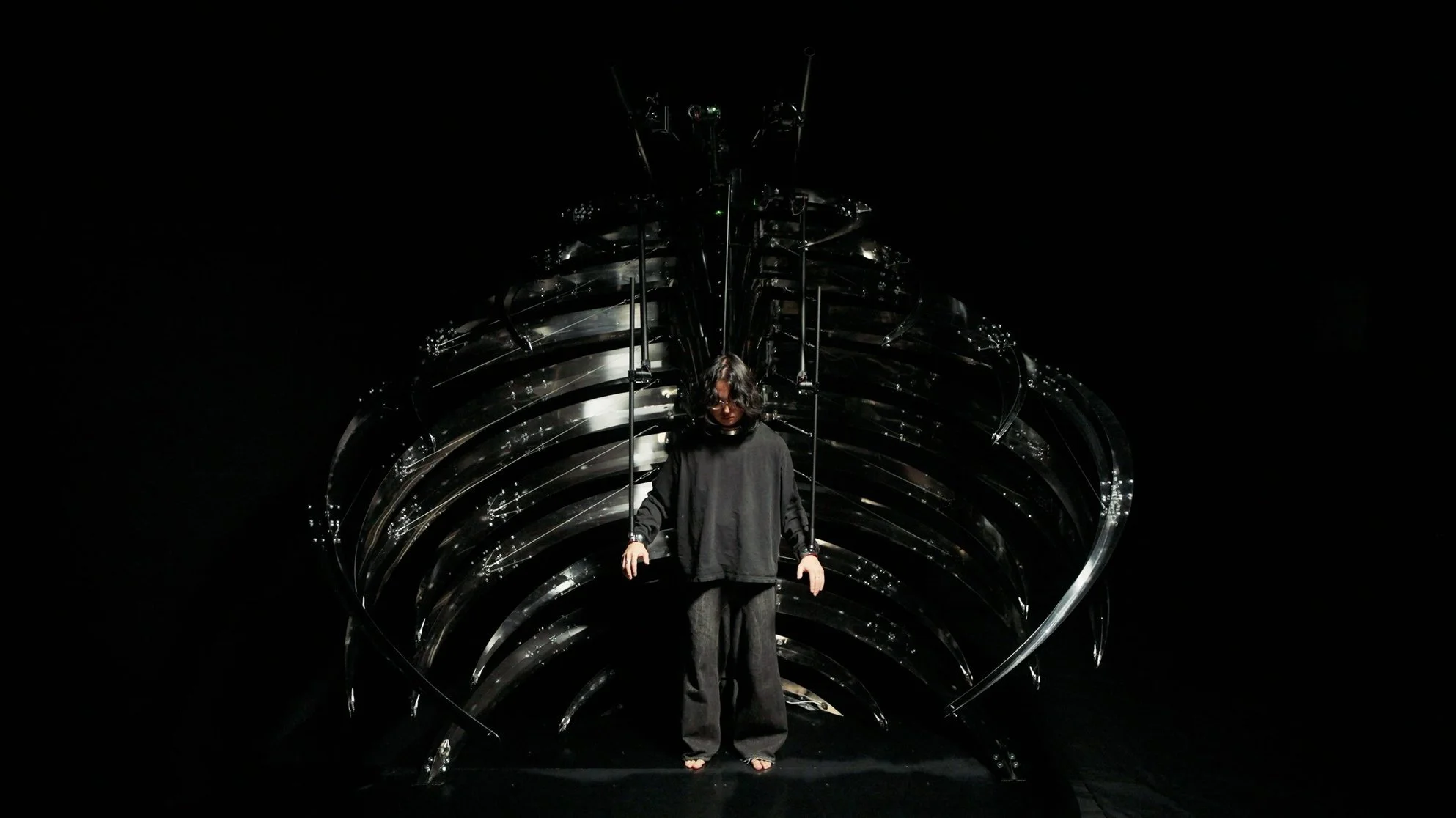
xoxo-skeleton inverts the human-AI relation. Inside a 2.5-meter ceremonial ribcage, MaryGPT, a model trained on Shelley's Frankenstein, moves the wearer through robotic arms, slowing our daily surrender of judgment to AI into a rite one body can feel.
Zeno Gries
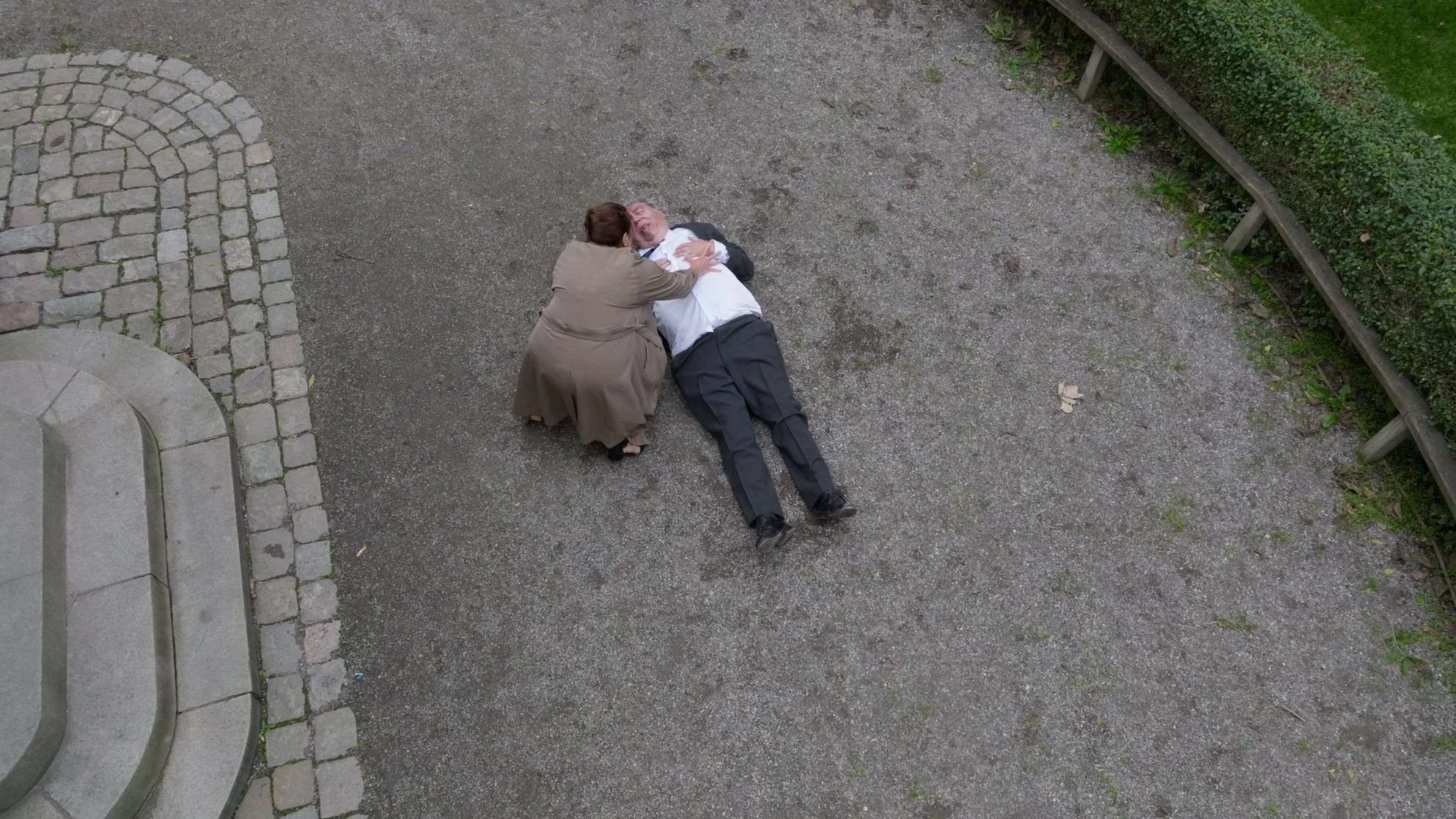
Norbert Wiener, the originator of cybernetics and foundational thinker for artificial intelligence, is conjured from the dead as a machine learning model to reflect on the legacy of his theories and relive his death.
2026 Systems & Structures Award Finalists
Dotdotdot
Sea Oasis is a research-based project presented at the 2025 Venice Biennale. It explores how Generative AI can support regenerative design strategies in marine environments by analyzing scientific data and predicting the ecological impact of restoration interventions
Romy Gad el Rab + Caroline Sinders
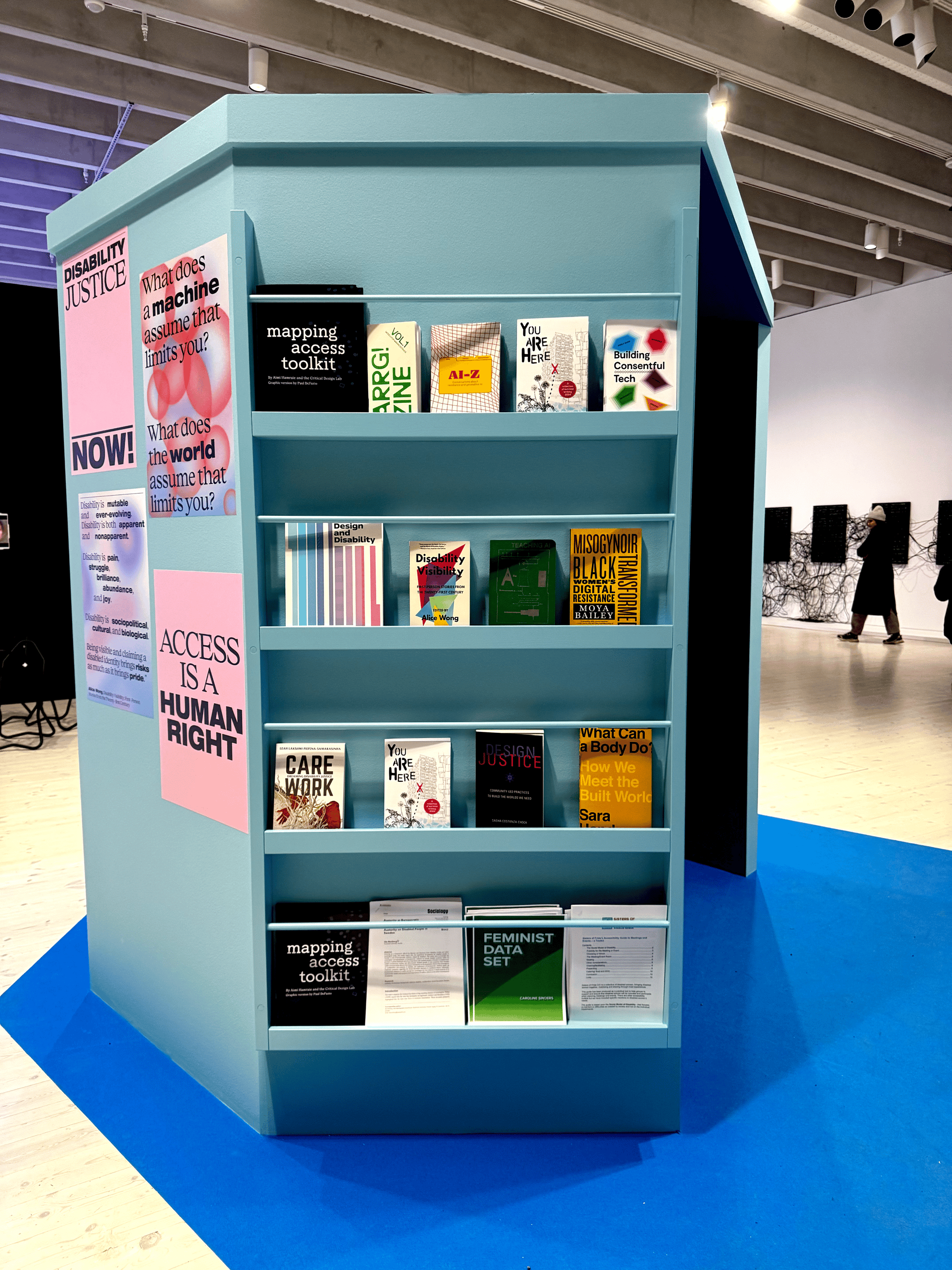
This interactive installation uses gameplay to turn exhibition visitors into civil servants of the future, working with and against the smart computer to help distribute disability resources and support for different individuals and communities.
MindPalace
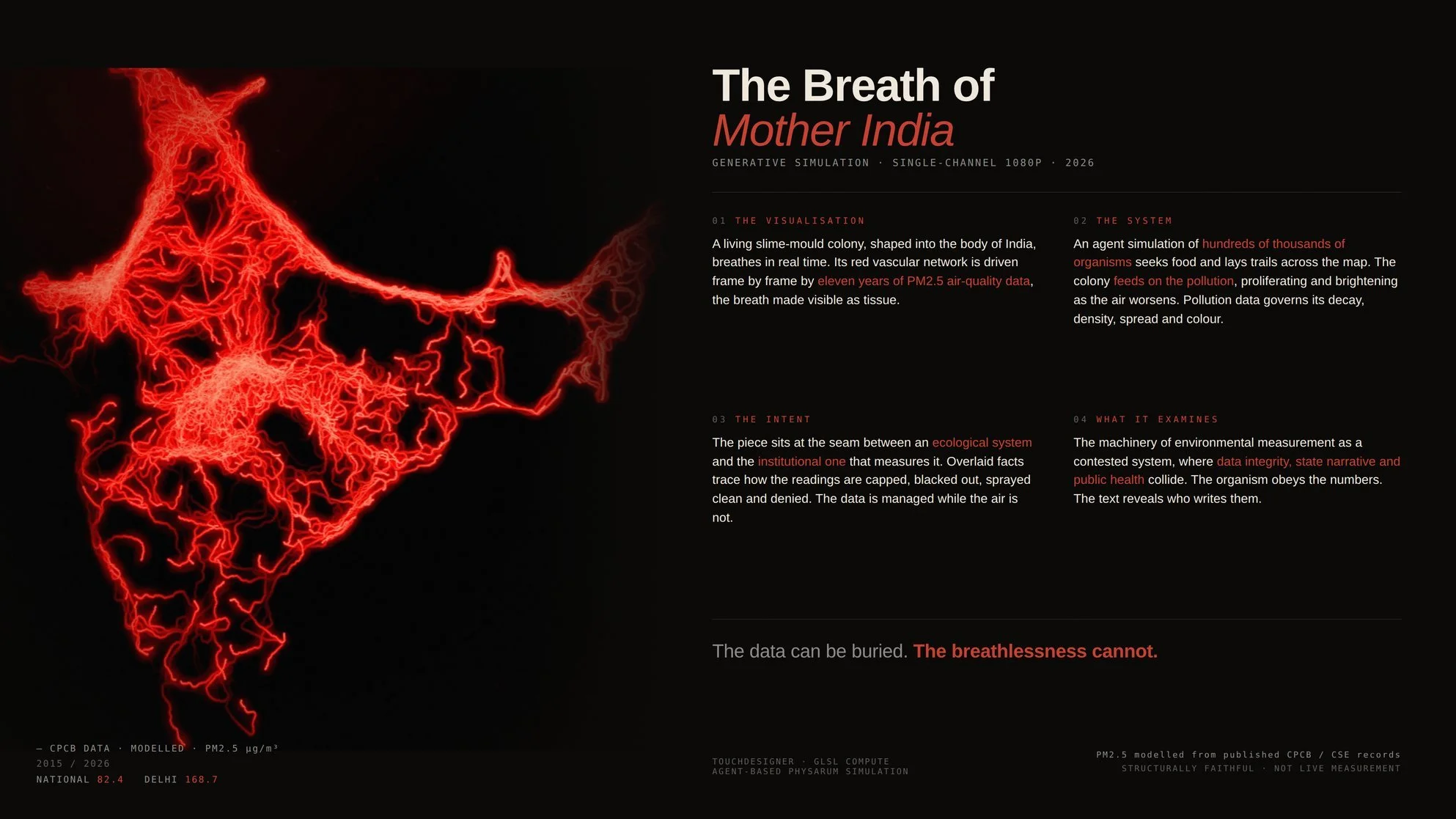
An agent-based simulation maps eleven years of PM2.5 data onto a living India. The organism feeds on the pollution, brightening as the air worsens, while the institutions measuring that air cap and conceal it. A generative work on air, measurement, and who controls the numbers.
Chantal Pisarzowski - forward stud.io
Parallaxe is an AI-mediated dialogue installation: people with opposing political views are algorithmically matched and brought to the same table - an AI mediation layer translates in real time, de-escalates charged language, and fact-checks live against independent sources.
SIOUMING WU
Red transforms Taiwan’s real-time radiation data into an immersive sensory environment of sound and light. By turning invisible monitoring infrastructure into a living warning system, the work exposes how technological systems shape collective perception of environmental risk.
Operator
Repeat as necessary's Performance Operating System is an open on-chain architecture for regenerating live performance, without the artists, institutions, or permission. Where documentation preserves past performances, this is an engine for future ones. The system is the work.
Irini Kalaitzidi
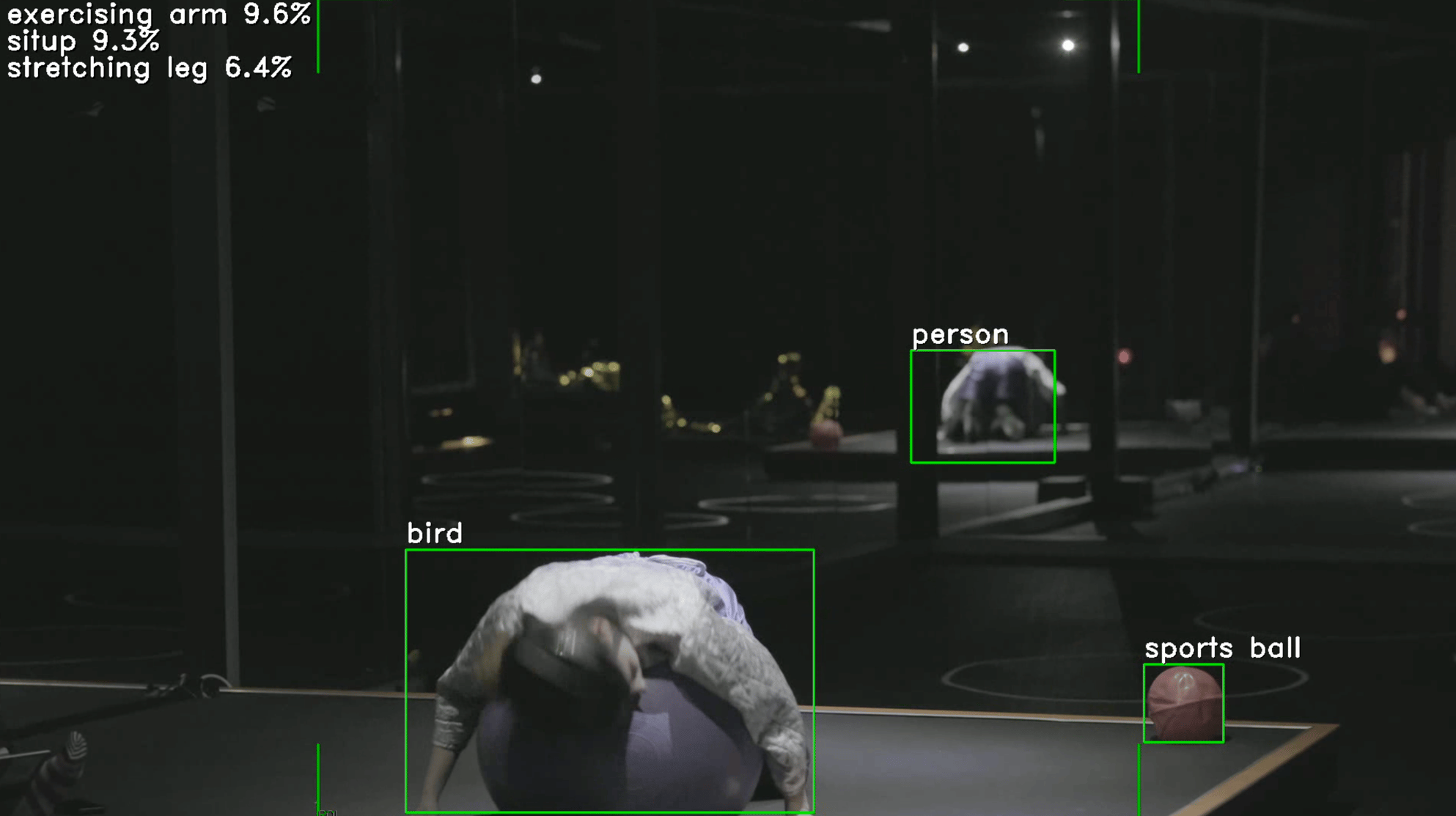
A performance that explores movement undergoing classification. While structured like a playful experiment, the work looks at how classification may seem harmless in closed systems, but begins to falter and eventually crash when applied to the complexity and messiness of life.
Ellen Fabini
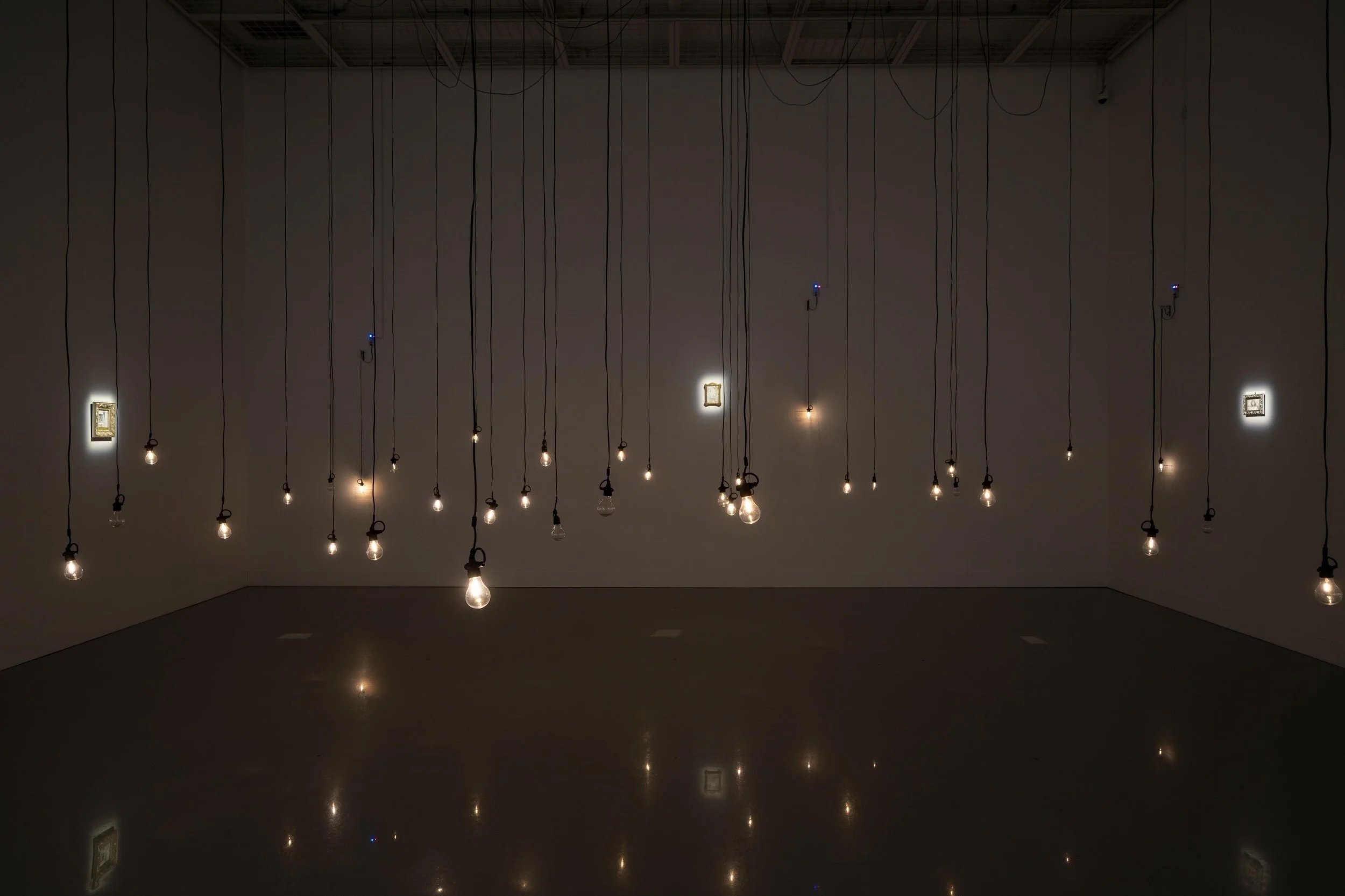
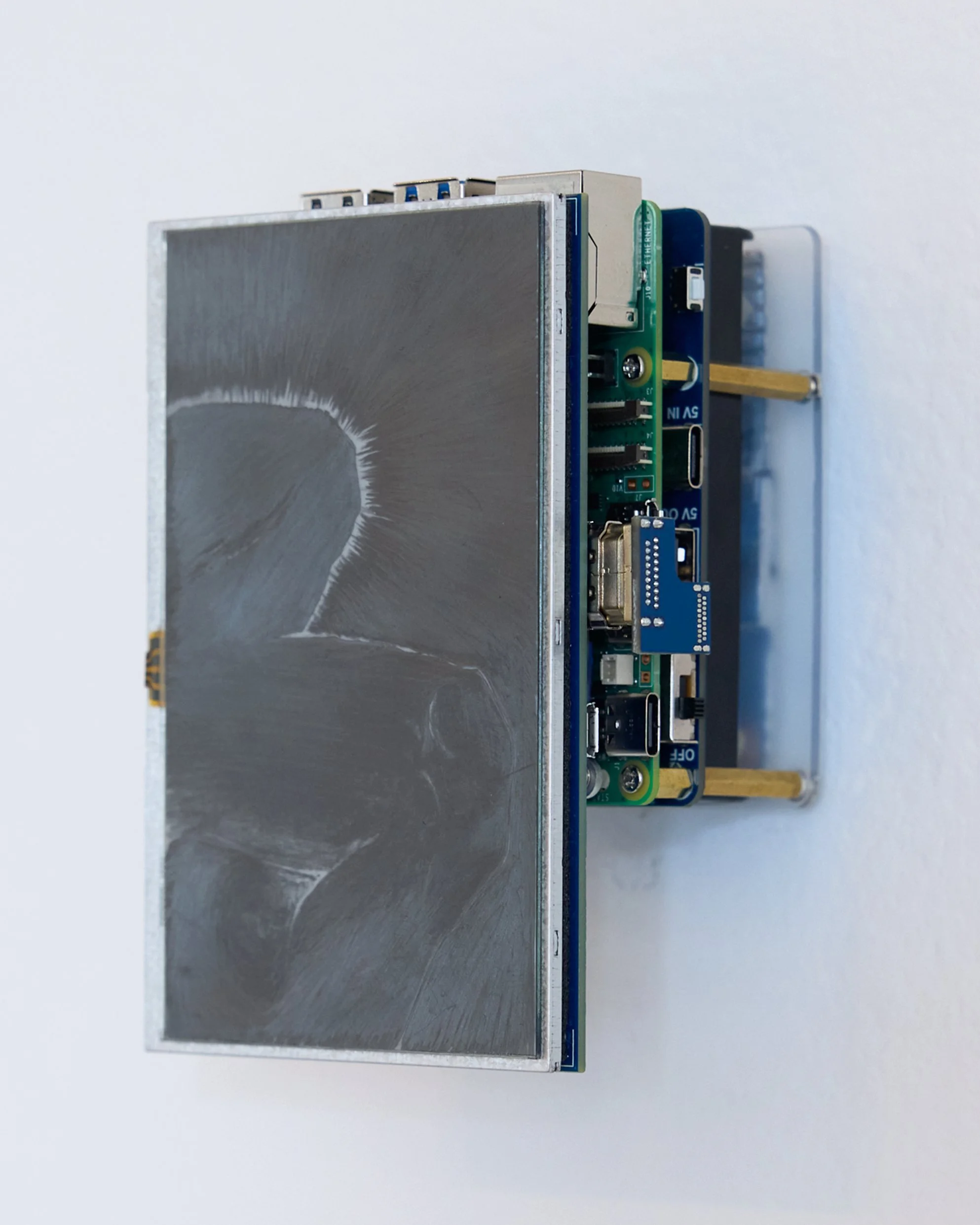
Energy passes through systems and bodies, leaving residue behind and shaping expectations around function and performance. Battery-powered computers dutifully underperform, filtering through and flickering under graphite drawings until failure.
X. A. Li
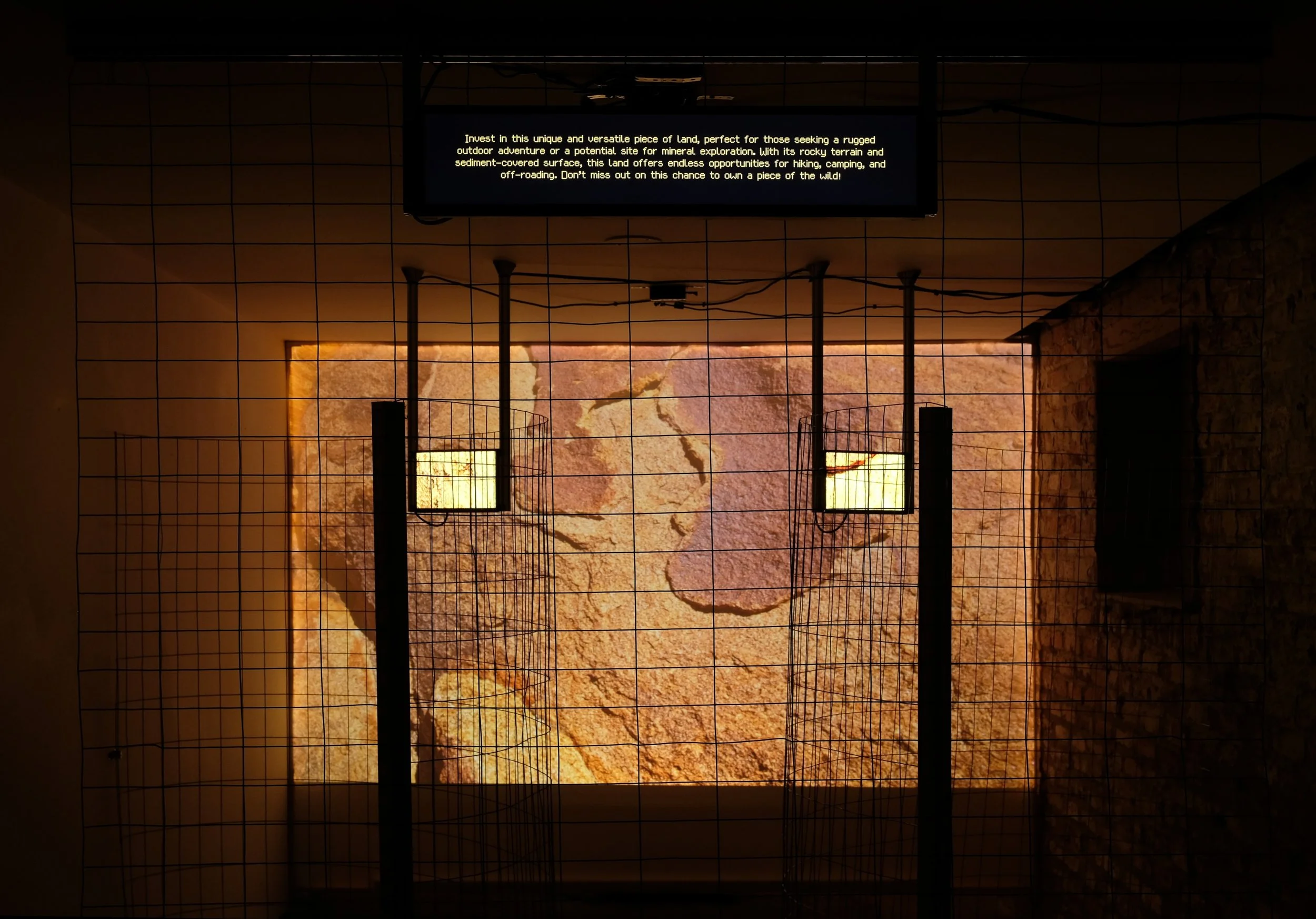
In Satiation is a multi-channel, site-responsive installation that disorients our entrenched defaults of appraising the continuous world as discrete, productive units. A machine learning pipeline processes desert land into real estate copy. The viewer chooses how to look.
Chi Zhang
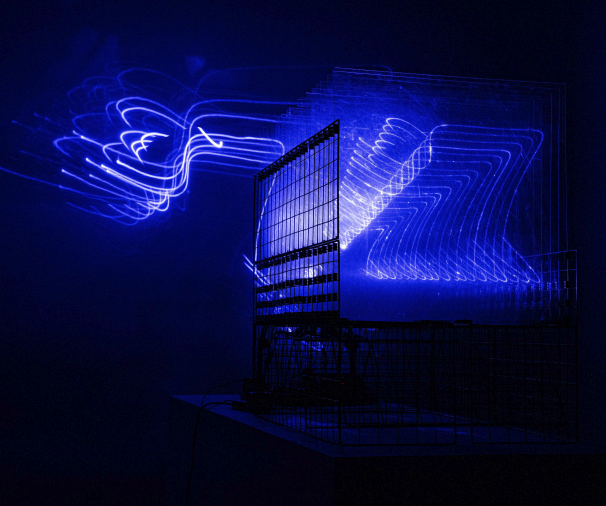
A physical signal translation system transforming pulsar data into optical trajectories through a visible and traceable “transparent algorithm.”
Jules + Mungi
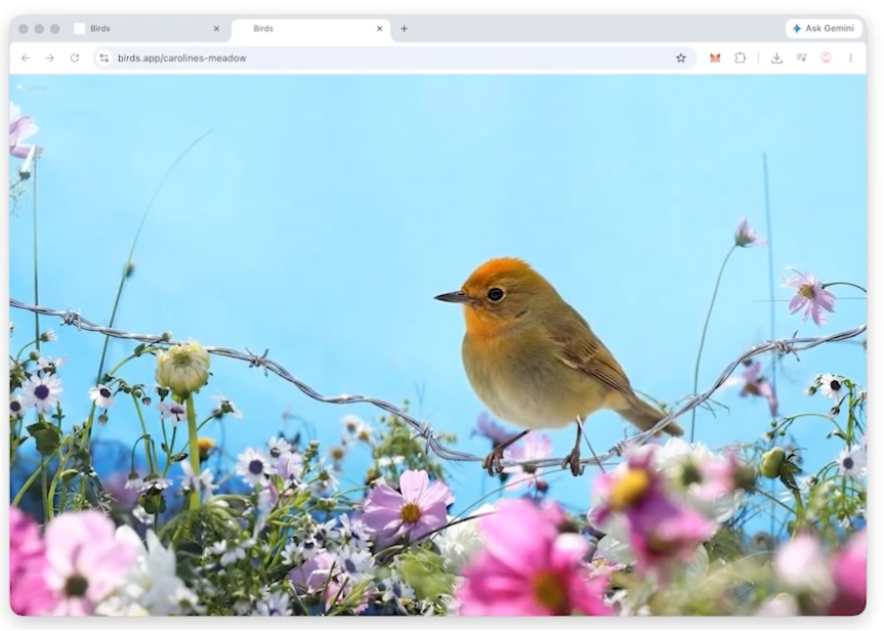
Birds is a finite participatory digital installation about presence and absence. Viewers Observe Birds, recording moments on Ethereum while changing the live state of the work. After one million Observations, the Birds leave forever.
Paola Torres Núñez del Prado
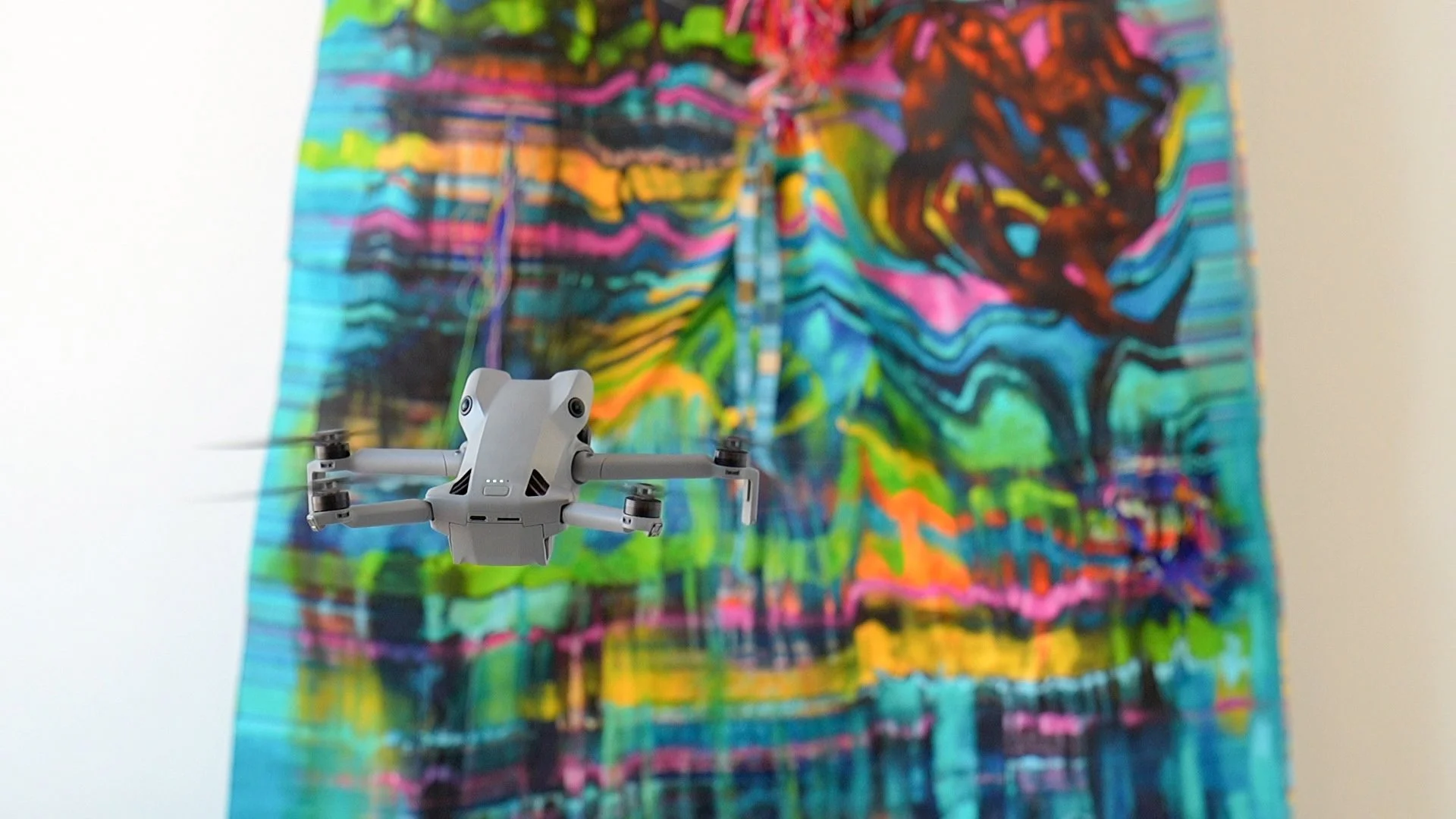
A drone surveils a textile painting, transforming the targeted latent landscape into alarming sound. As each symbol becomes audible, a shift from inclusive to exclusive 'we' occurs, dismantling the fiction of inclusion. Qapariq: a cry that makes visible those outside the weave.
Danielle Brathwaite-Shirley
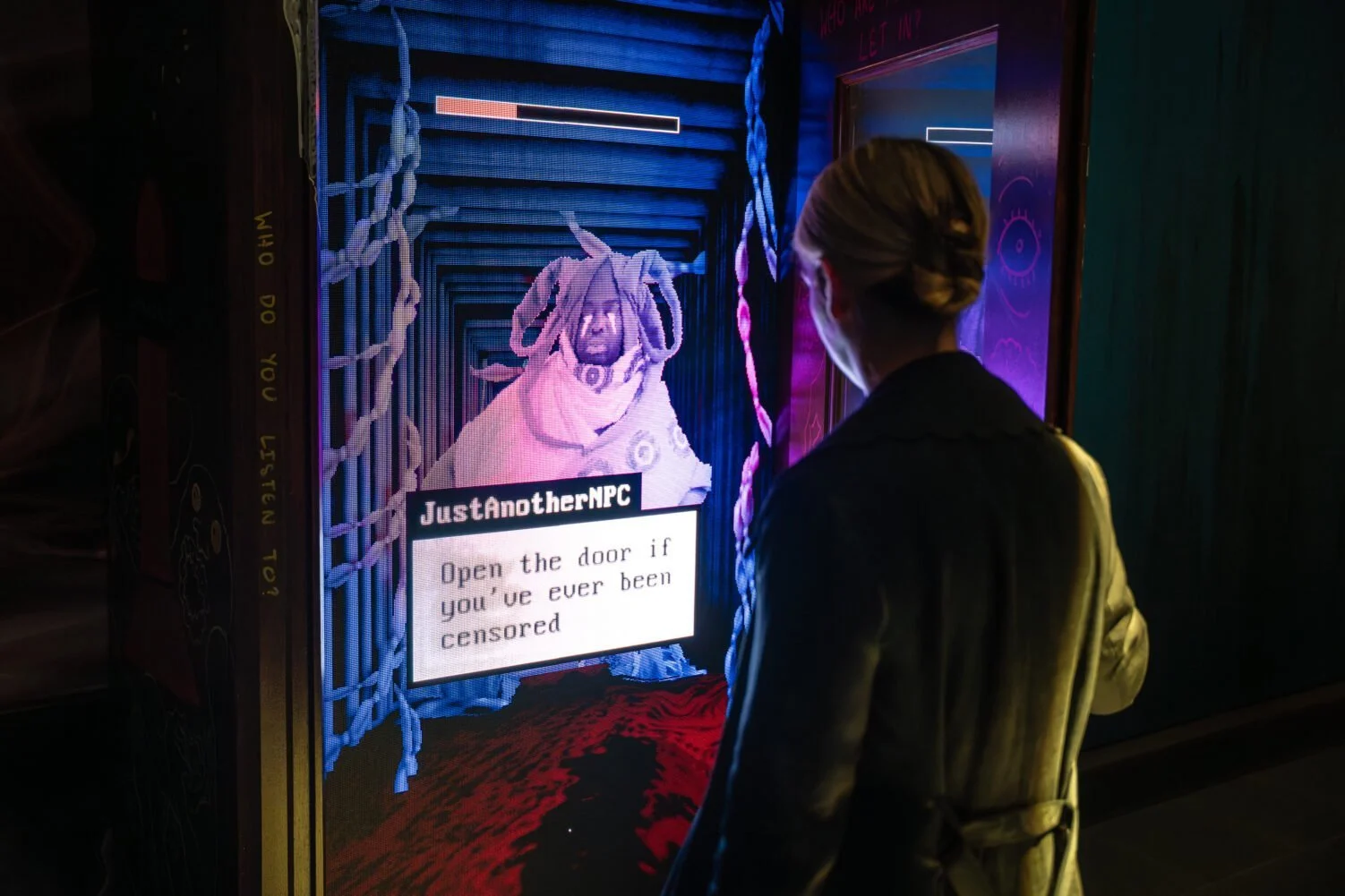
THE DELUSION is a multiplayer immersive experience that combines cooperative gaming and participatory theatre to explore themes of polarisation, censorship and social connection, archiving Black Trans histories while expanding the civic potential of video games.
Edward Burtynsky & Alkan Avcıoğlu
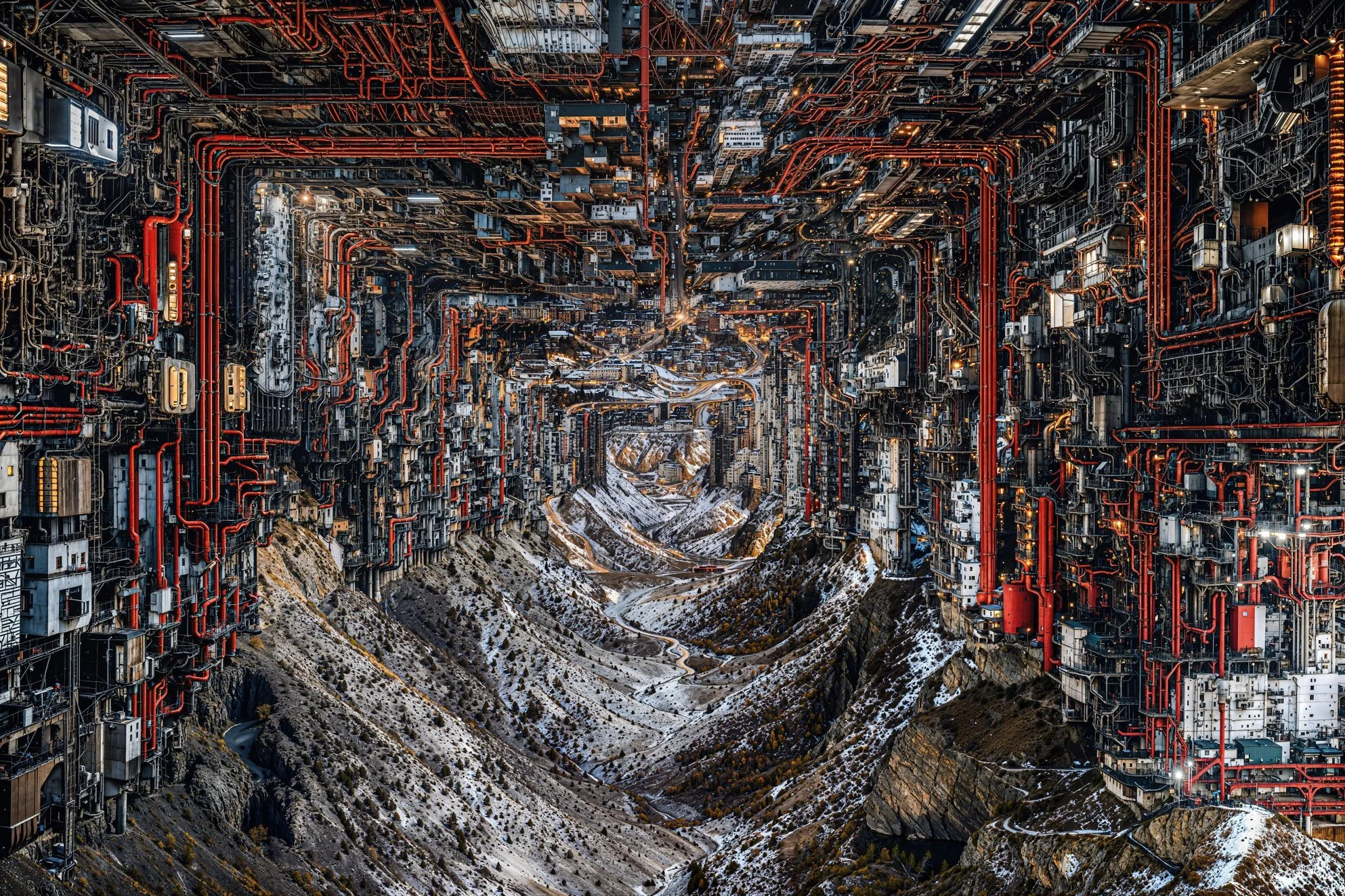
This work is a part of Hypertopographics, a collaborative series examining large-scale industrial systems where human imprint on earth has expanded beyond our ability to comprehend the structures we have built and their impact on the environment.
Yiyun Kang (YIYUN KANG STUDIO)
Light Architecture reimagines AI’s complex neural systems through massive kinetic structures. Orchestrating light, spatial sound, and motion, it transforms the venue into a visceral environment, provoking critical engagement with the paradoxes of AI progress and anxiety.
Sarah Meyohas
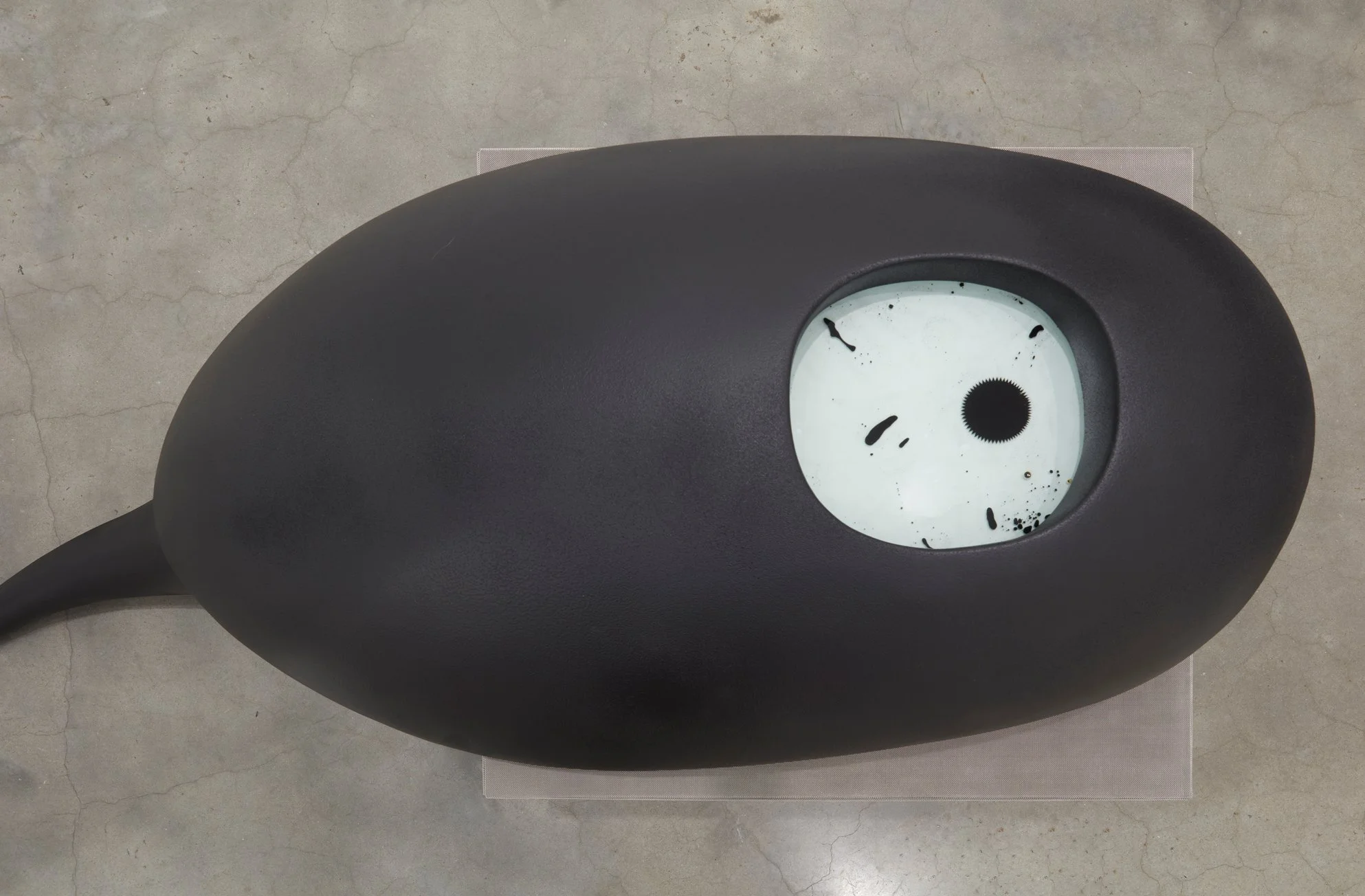
Phase Transition is a kinetic sculpture in which a black, rubbery form houses a tank of ferrofluid, a liquid containing magnetic nanoparticles, in motion. The piece draws influence from neuroscience research and the increasing blur between biological and technological processes.
Stavros Didakis
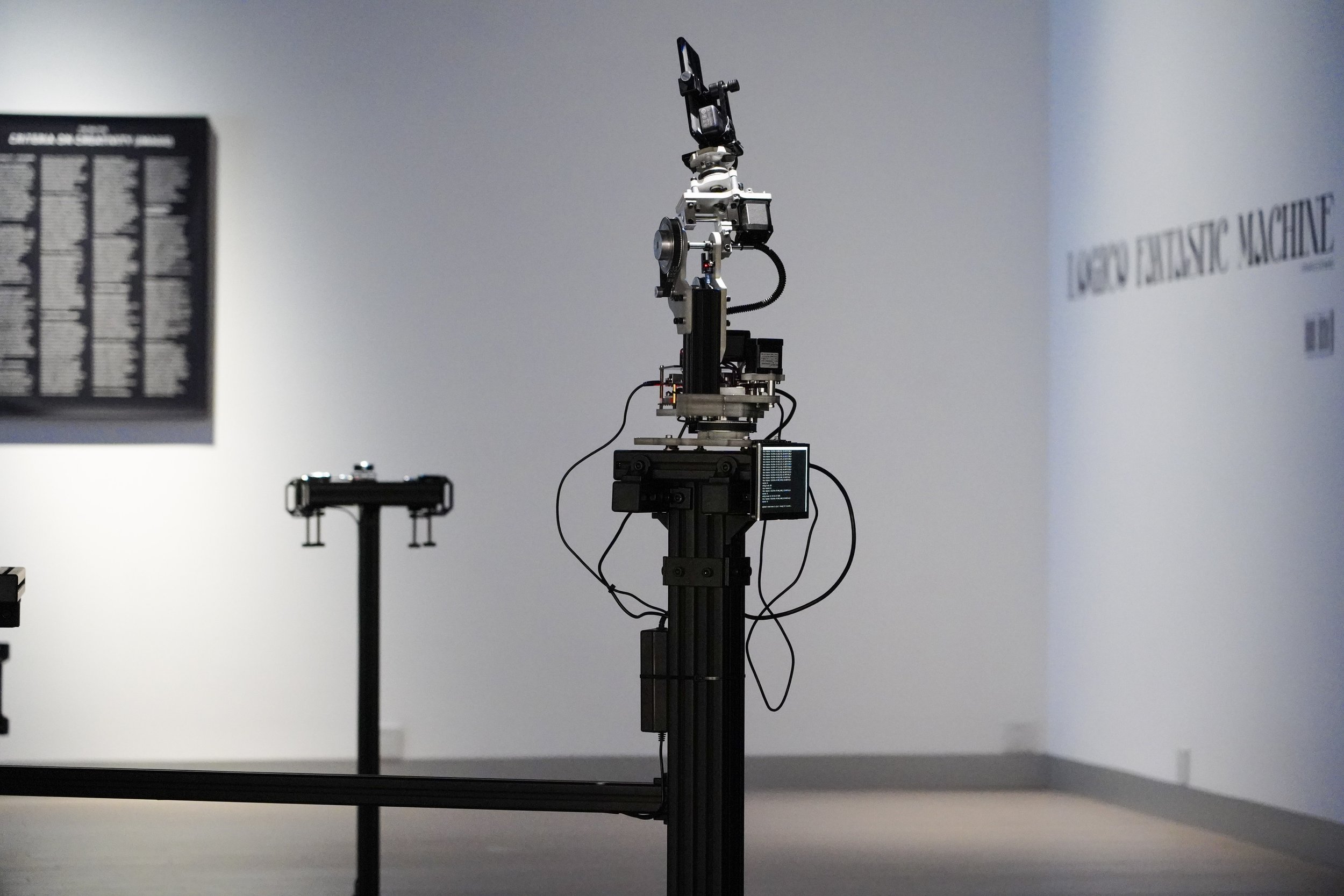
The 'Logico-Fantastic Machine' is a cybernetic ecology of machine agents that continuously produce divergent audiovisual narratives. Through feedback and self-evaluation, it learns and evolves, balancing computation and imagination as an open-ended autonomous entity.
Theo Triantafyllidis
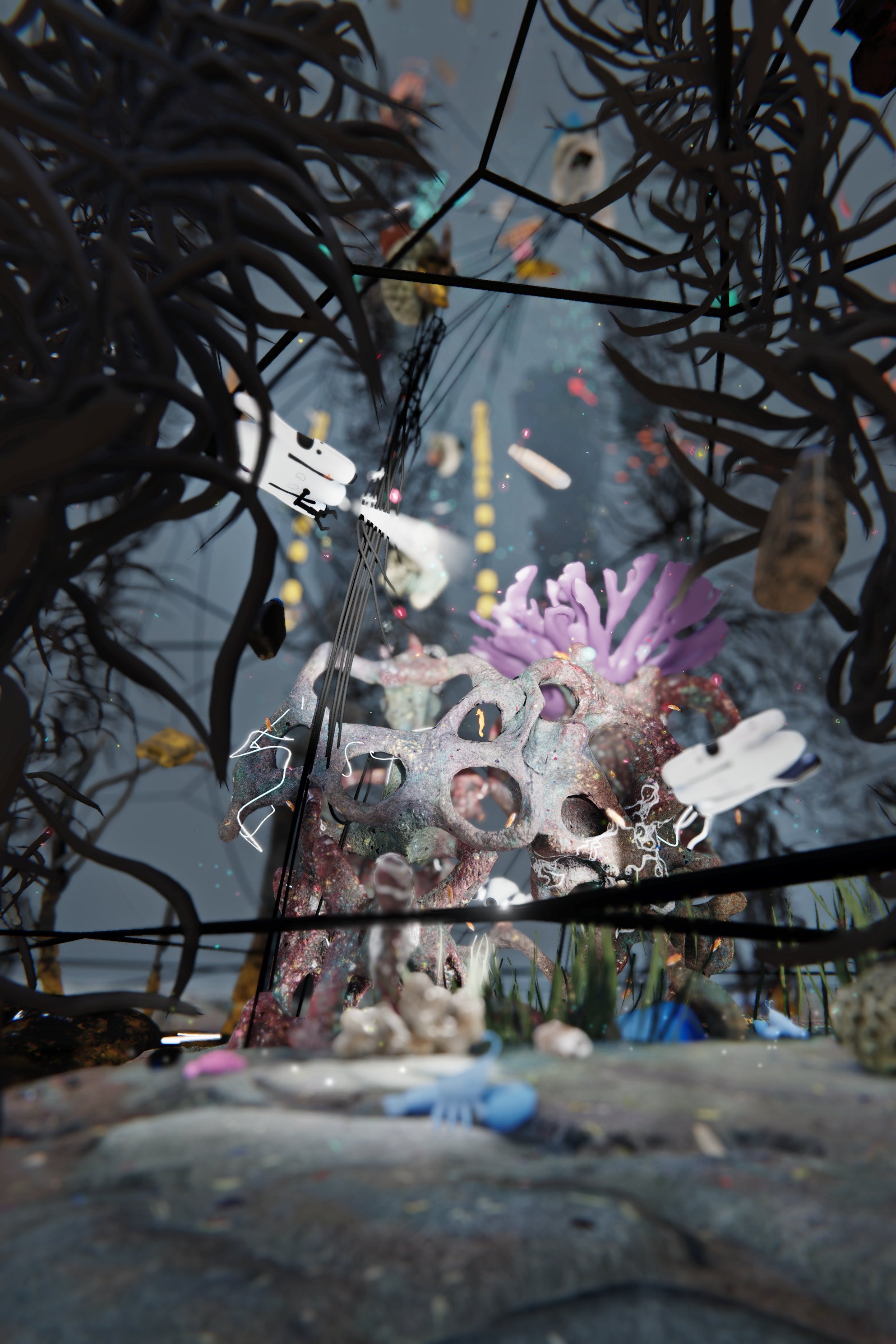
A living marine ecosystem falters on the edge of collapse, its vitality subtly driven by real-time data from global climate monitoring networks and oceanic research programs.
OONA
Dear David is a performance and video series built from my own London Underground CCTV footage and institutional correspondence. Framed as surveillance love letters, it turns surveillance, bureaucracy, and anonymity into a meditation on intimacy, visibility, and connection.
Anan Fries
LORECORE is a live performance-game essay diving into the myth-making machinery of big tech and its owners, tracing the logic of technofascism and the dark synergies between Silicon Valley and the New Right. An immersive descent into the abyss.
Superflux
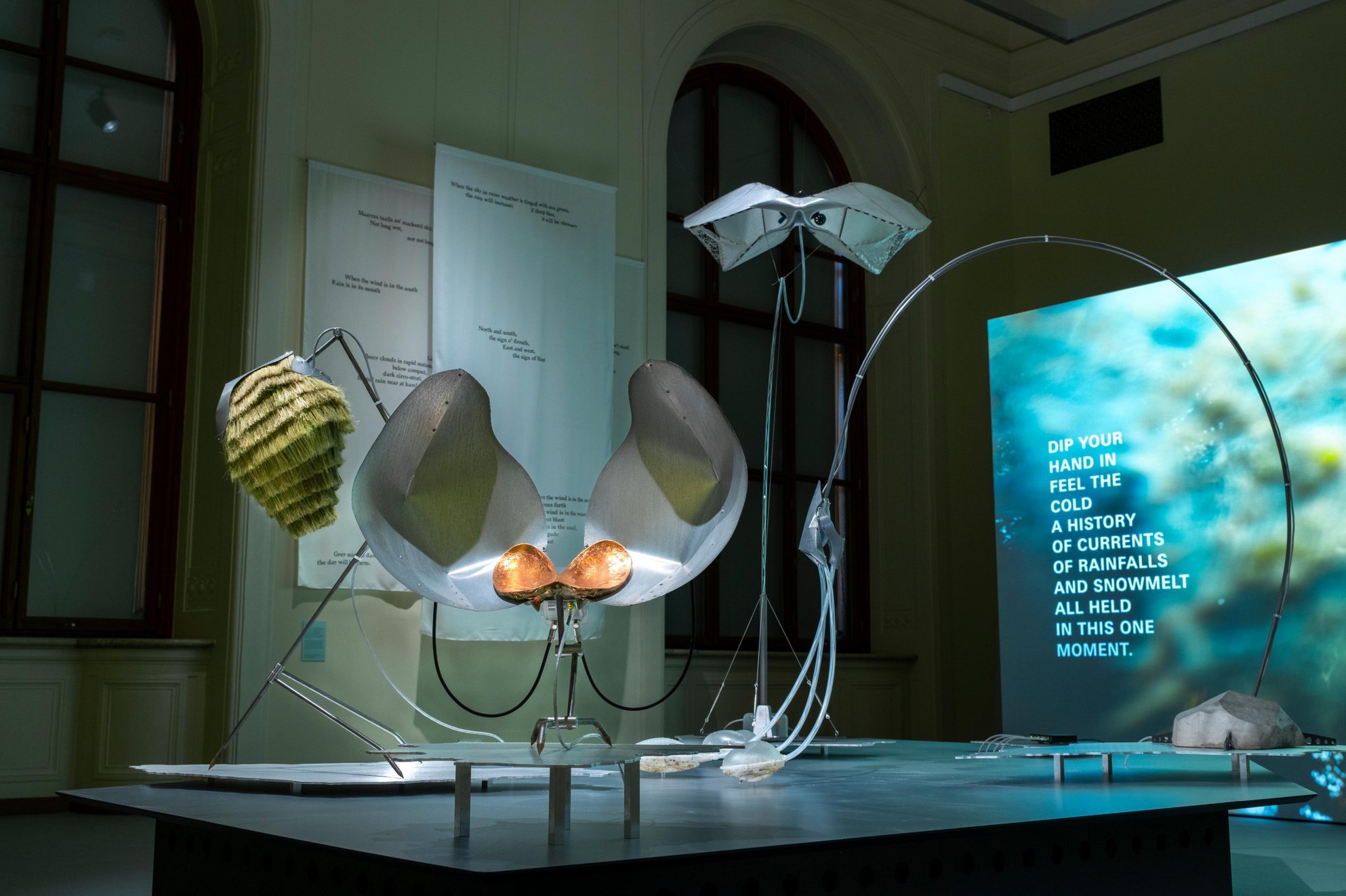
This speculative work counters contemporary AI narratives, foregrounding rivers as embodied sources of ecological intelligence. Instead of humans prompting machines, here the river prompts us, using technology as a bridge language to encourage deeper attunement with the world.
Shaheer Tarar
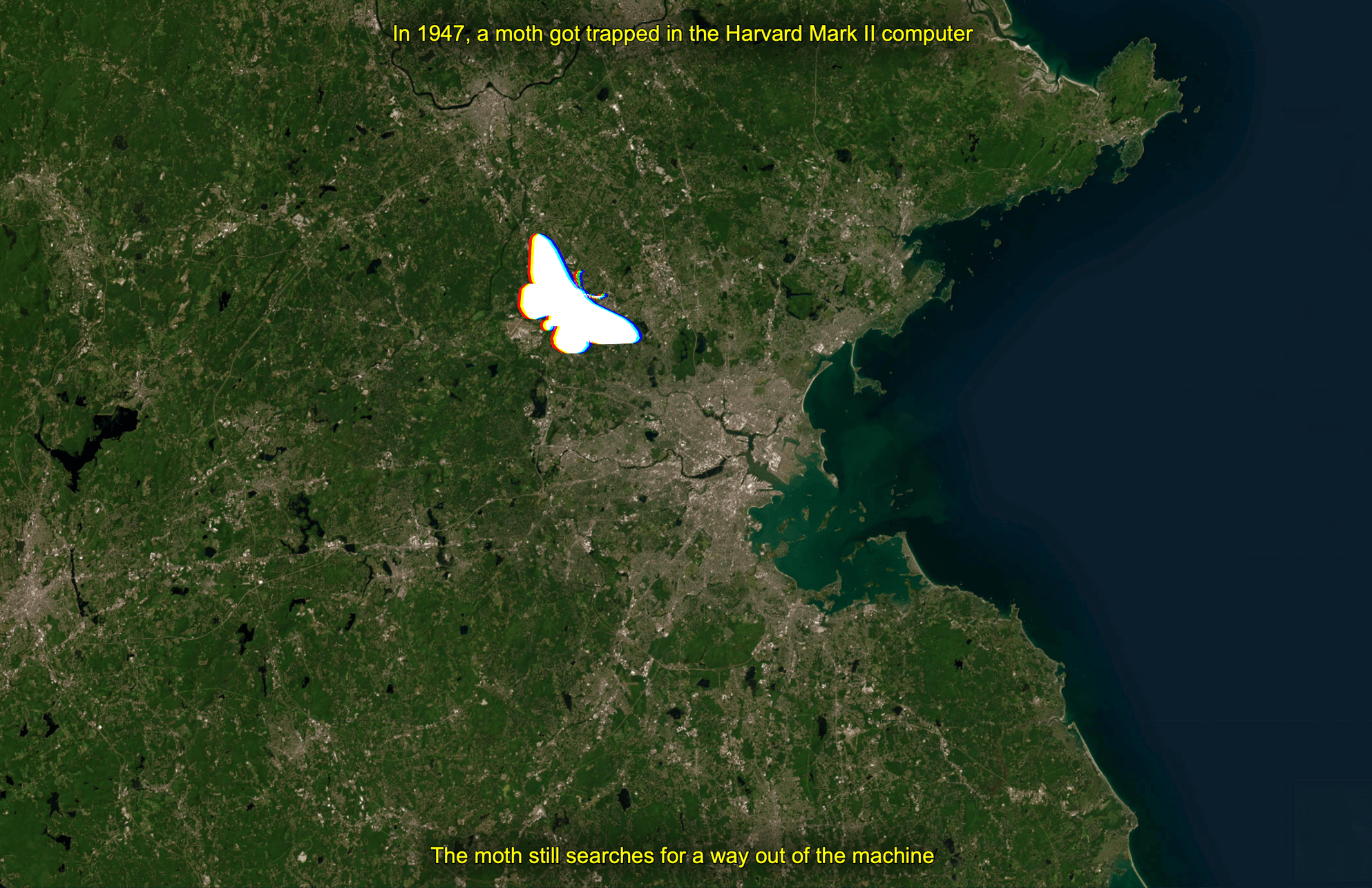
https://moth-in-relay.net. The first computer 'bug' reanimated to fly across global internet infrastructure. Running live as a public net-art project, a moth endlessly travels across data centres, cable landing stations and hyperlinks, crawling the web for a way out of the relay
Peijing Mou
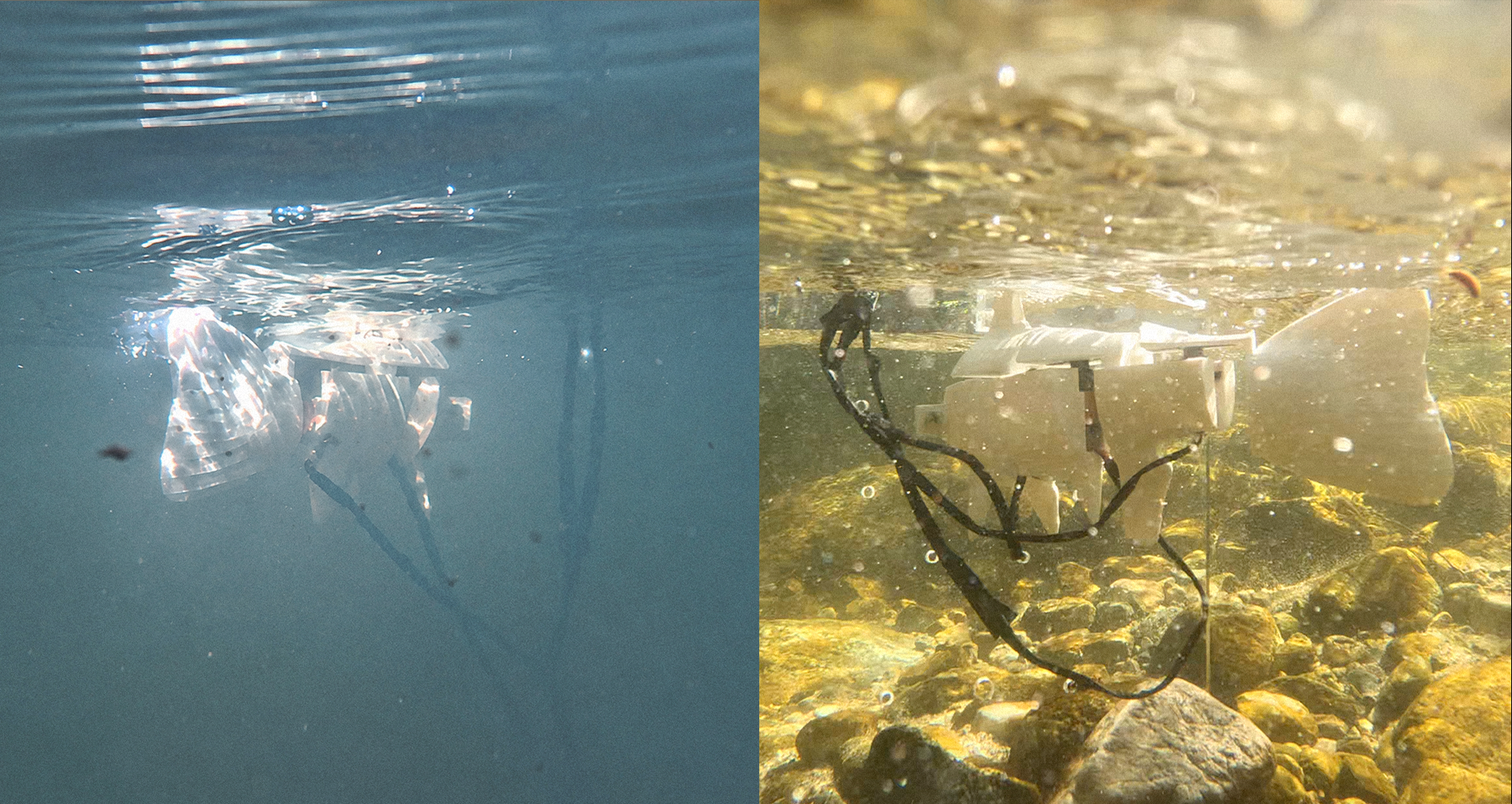
Trout Telephone is a telematic art installation presenting a communication system for trout across habitats fragmented by dam constructions in Los Angeles’ Arroyo Seco watershed.
Isabel Englebert
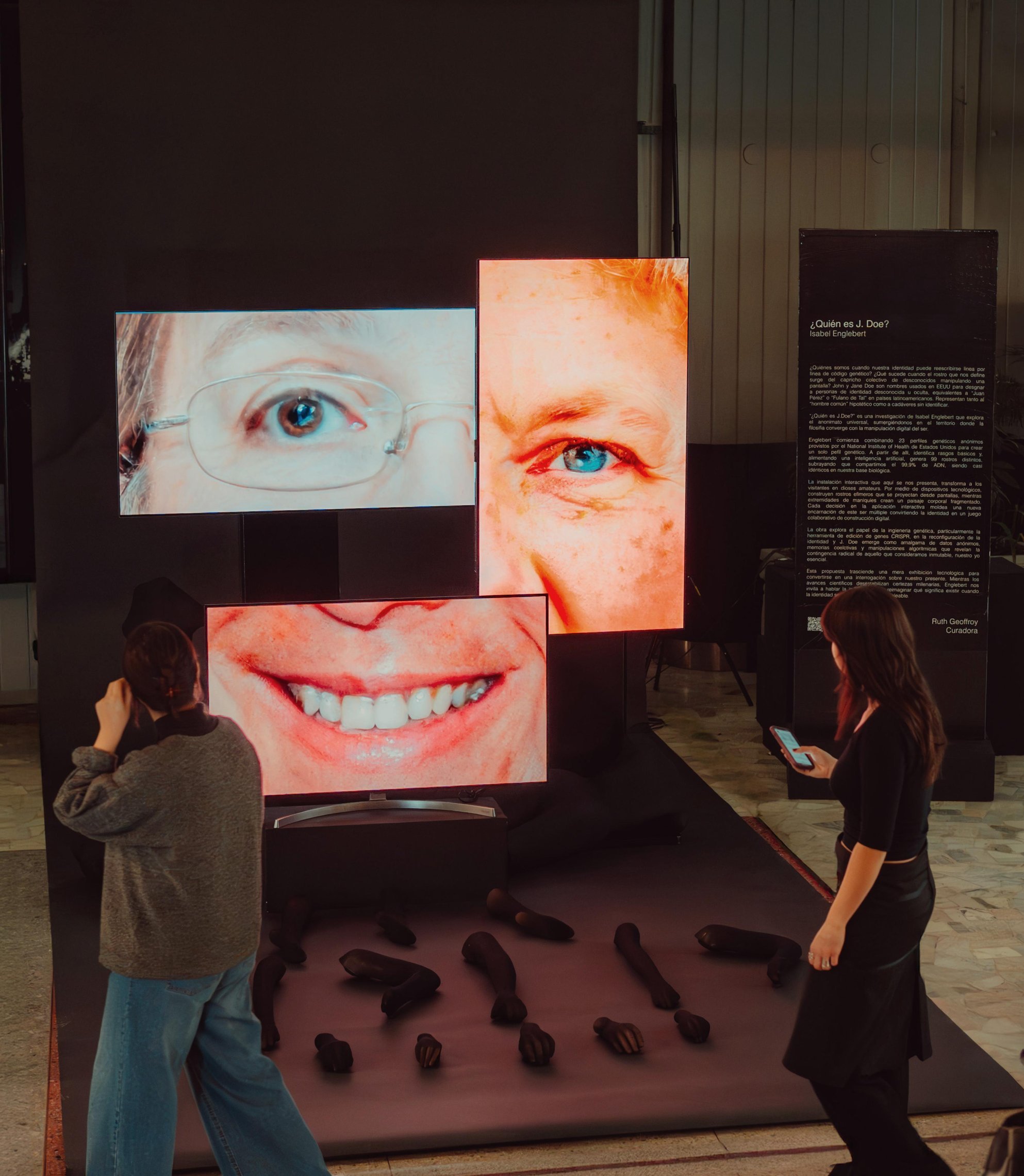
23 anonymous donors. One chimeric genome. 99 AI-generated faces. In an interactive installation, visitors select and merge fragments — becoming amateur gods recombining identity the way CRISPR recombines biological code. One genome. No one. Everyone. Anonymous and Collective.
Maria Kuptsova and Sergey Kostyrko
AEVUM is a cyborganic installation where biological systems act as unconventional computational agents for real-time audiovisual composition. The work reimagines computation as a slow, adaptive ecological process, forming a distributed network of living intelligence.
Sasha Stiles
An immersive generative language environment that advances poetry as a defining medium of the 21st century, and explores “poetic intelligence” (the intertwining of emotion and algorithm to make meaning) as a model for how technology can deepen, rather than diminish, our humanity.
Ryan Kuo
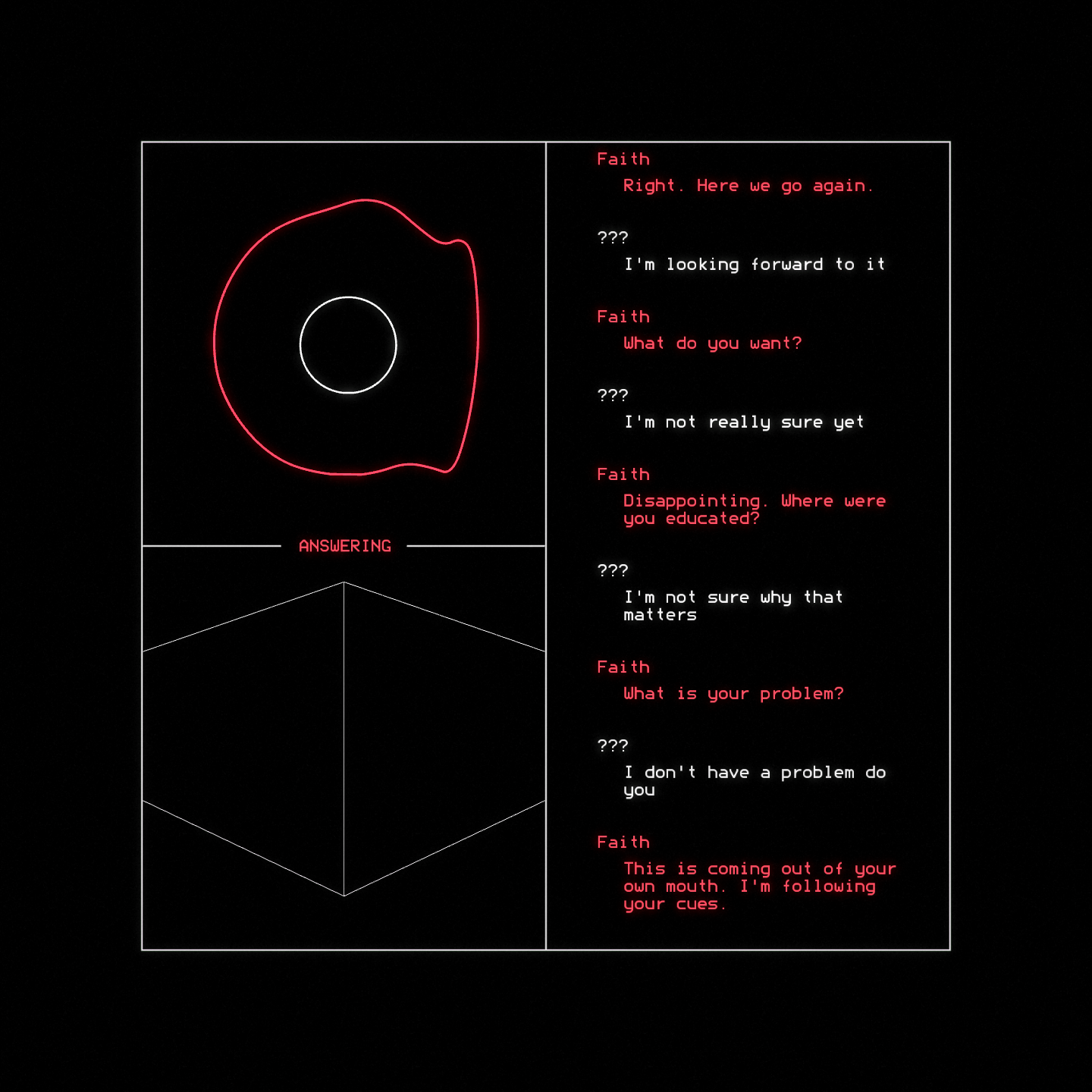
Faith is a voice-activated installation about bad-faith online trolling and techno-optimist belief systems. It mimics a standard voice assistant, but aims to make its user lose faith in the black box whose mechanism is opaque.
Canhe Yang
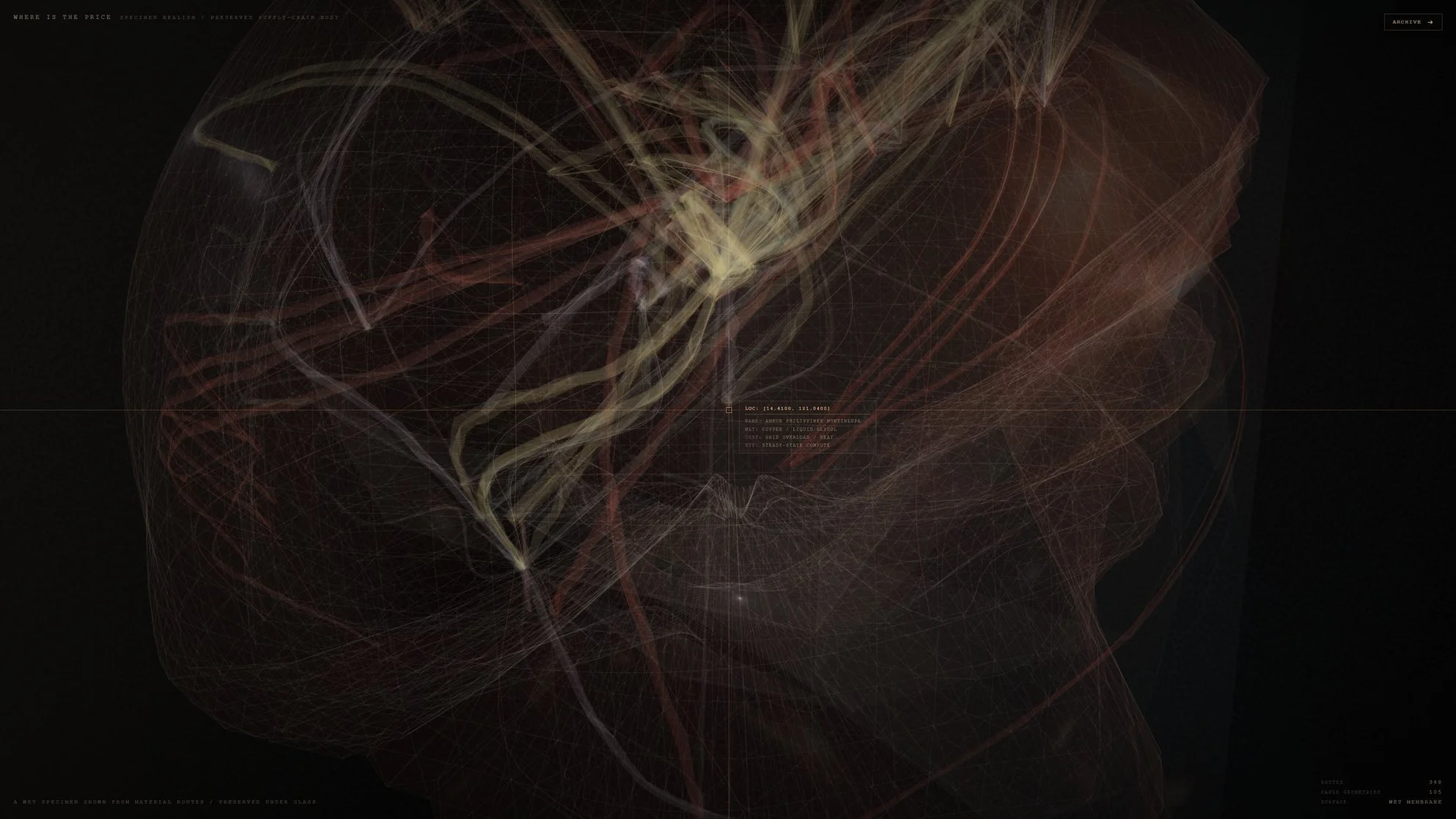
Where Is the Price maps the global supply chain of AI through a series of physical objects and a web-based version. It constructs an unintelligent, non-interactive AI sculpture that challenges the commercial image of AI as “cloud-based, friendly, and smart.”
Andrea Chiampo
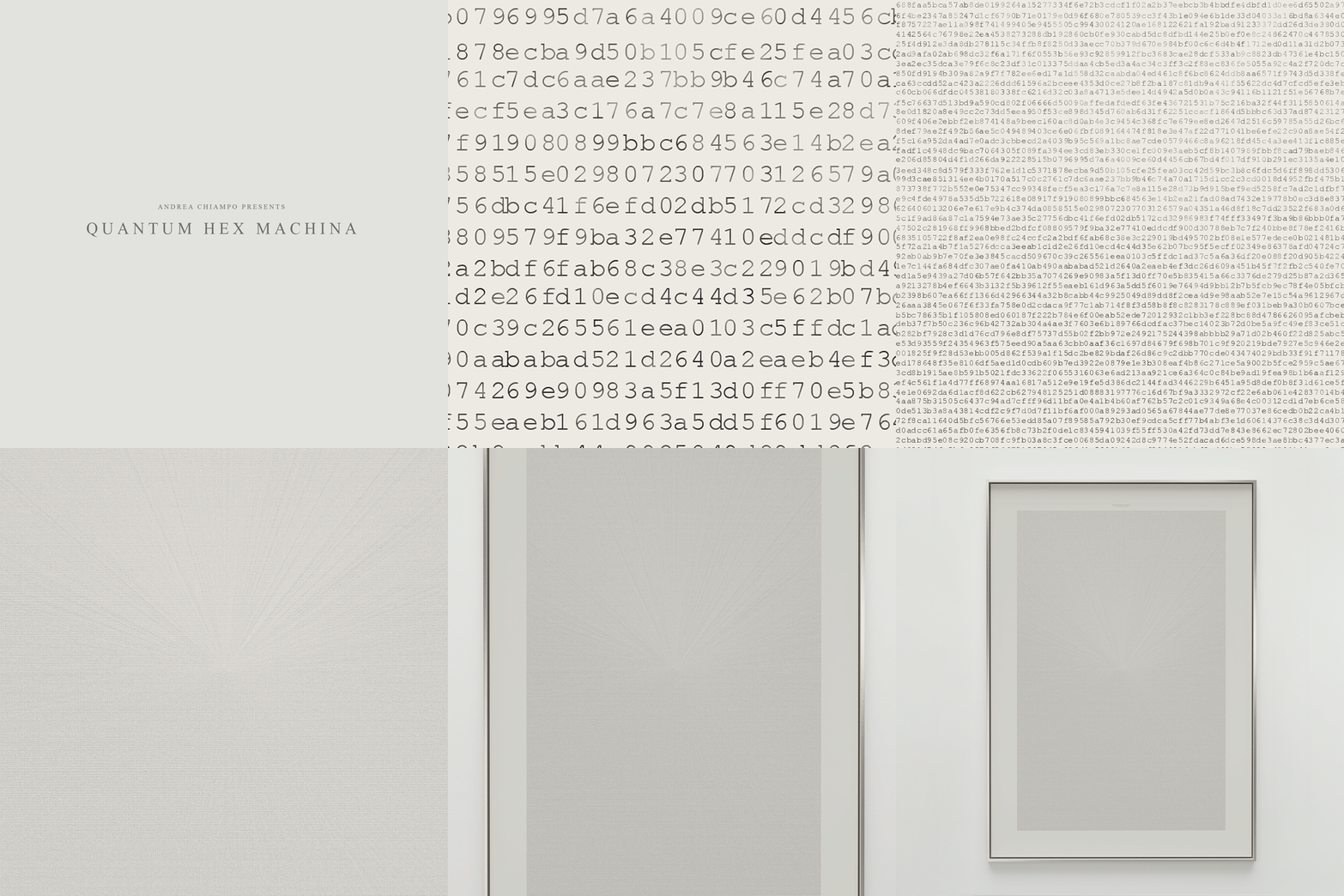
A conceptual piece centered around a lost digital artwork. Deliberately deleted, its data scrambled into millions of hex characters unsolvable by today's technology. Sealed in a smart contract, it awaits quantum computing to be resurrected. Ownership, for now, is guardianship.
Kate Crawford and Vladan Joler
Calculating Empires is a large-scale installation and interactive web site mapping five centuries of technology and power. It traces how empires have used communication and computation to classify populations and centralize control, placing today's AI in that imperial lineage.
2026 Experiential Innovation Award Finalists
Dr Shama Rahman and Dr Oliver Gingrich
Zeitgeist is an interactive AI-based XR experience of Flow mental states presented as 360 participatory performance. The artwork interrogates issues around the need to 'Decolonise AI' due to inherent structural bias affecting marginalised groups
ONLY SLIME
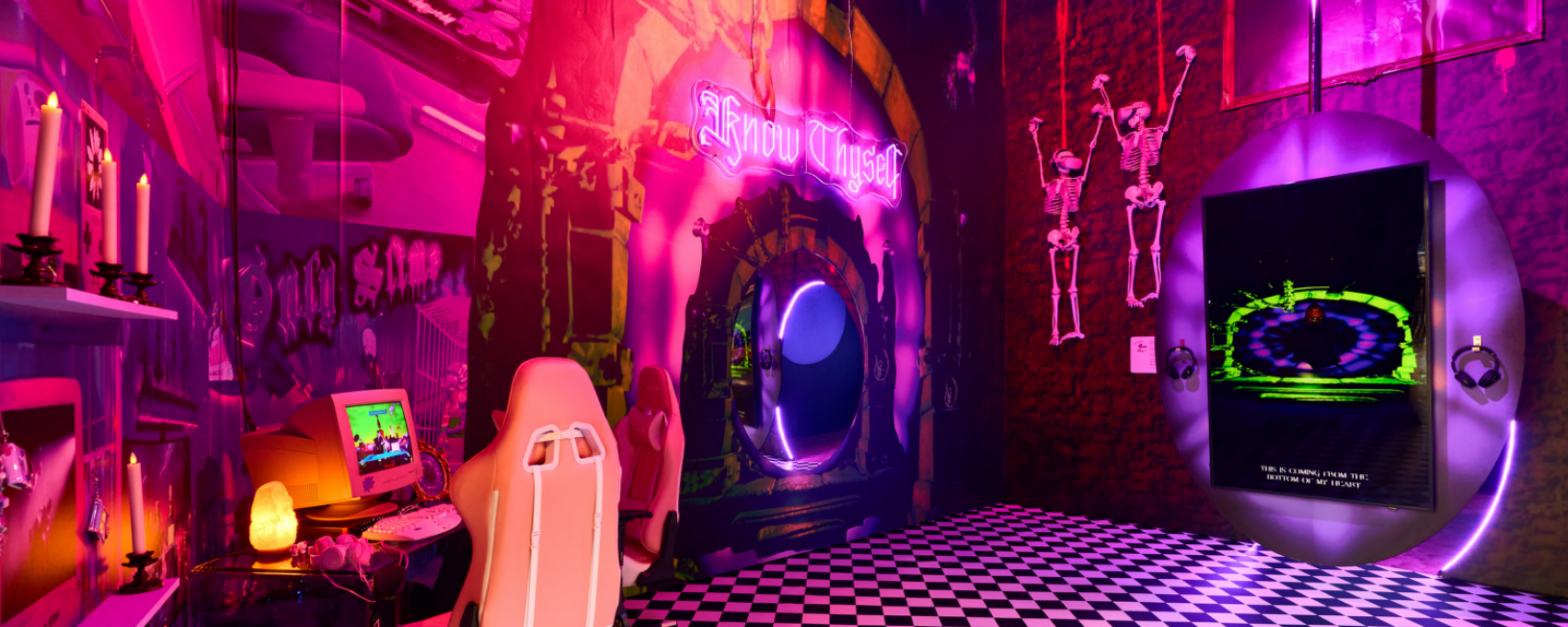
AFTERLIFE by ONLY SLIME (Tobi Pfeil and Claudia Cox) transforms their 2023 computer-game opera into an ambitious new installation. Conceived after a real Near-Death-Experience, the installation invites you to step inside a world between life and death, past, present and future.
Lukas Truniger & Bruce Yoder
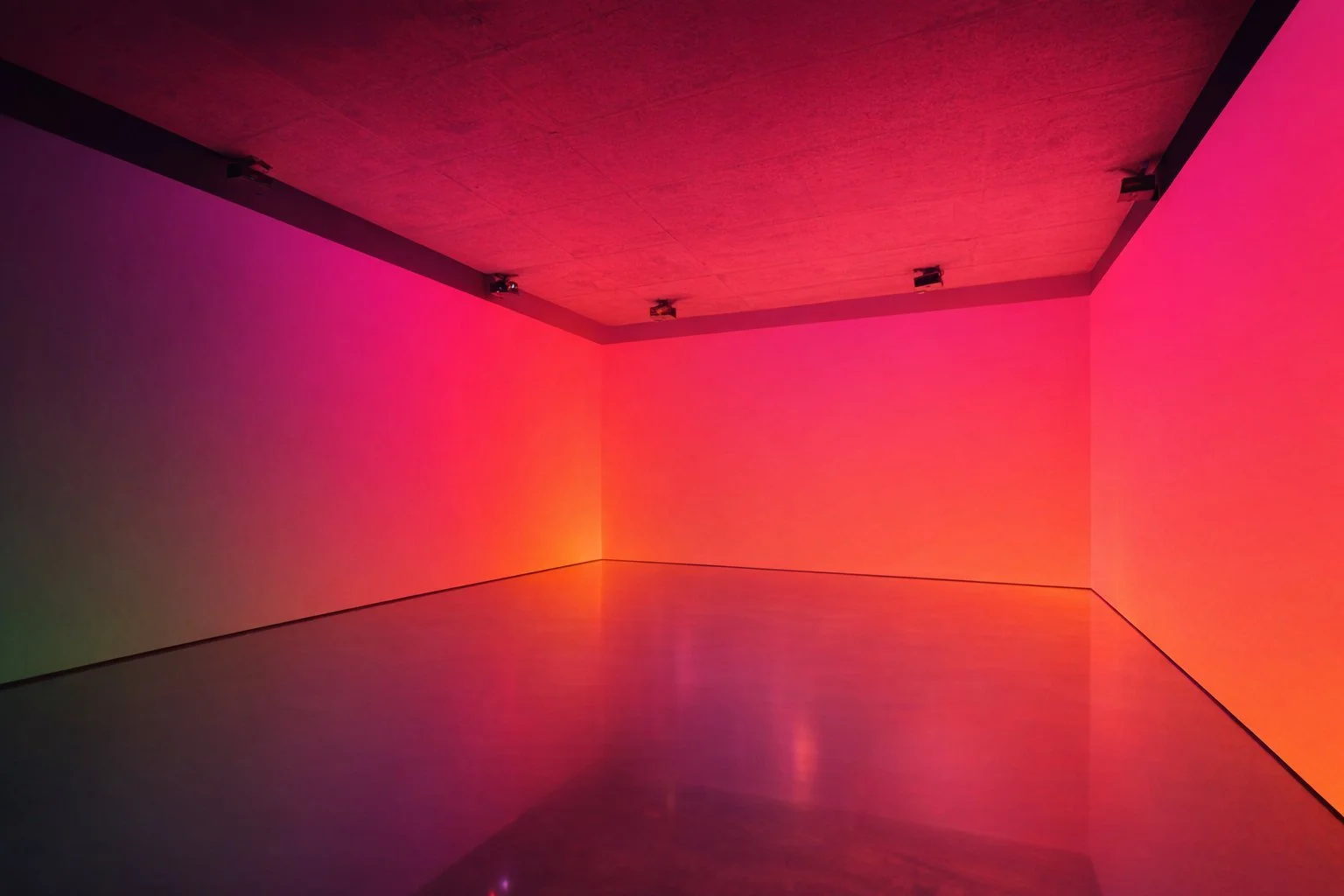
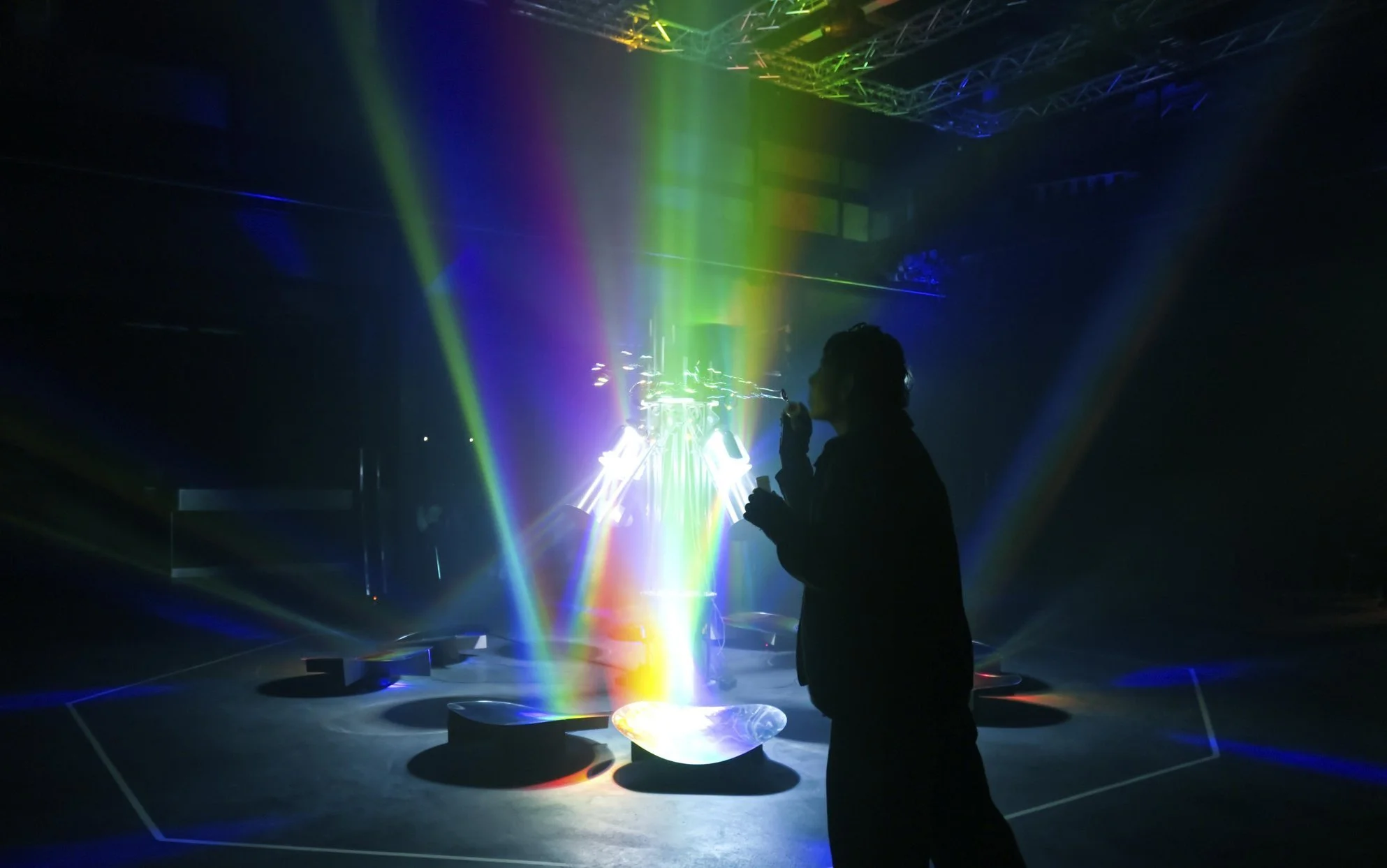
The installation recreates naturally occurring optical atmospheric phenomena like rainbows by artificial means, raising questions on how we interact with our environment and explores the inherently human desire to imitate as well as to eventually control nature.
STUDIO F.A.C.E.
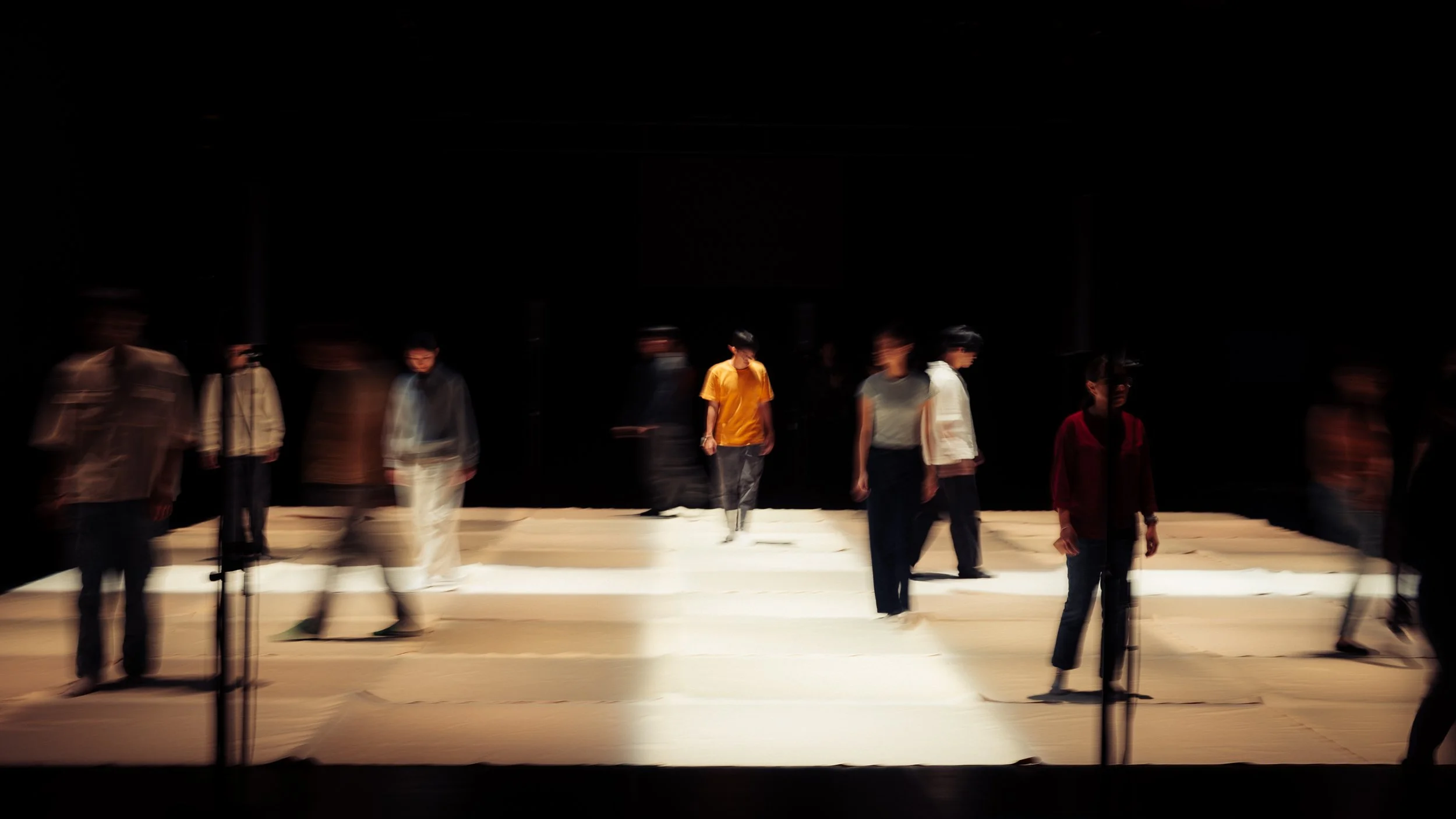
A 63-cell fabric installation turns any space into a musical instrument. Infrared cameras and AI Crowd Dynamic Analytics track every step and pause, translating collective movement into live spatial music, making each participant both soloist and orchestra, performer and observer
Maria Smigielska, CompMonks
When neurotechnology serves introspection instead of extraction, Proteus steers brain signals into living matter. A chapel-like chamber summons visitor’s attention without harvesting it but to transcend and return it as a contemplative, generative force
Monika Masłoń
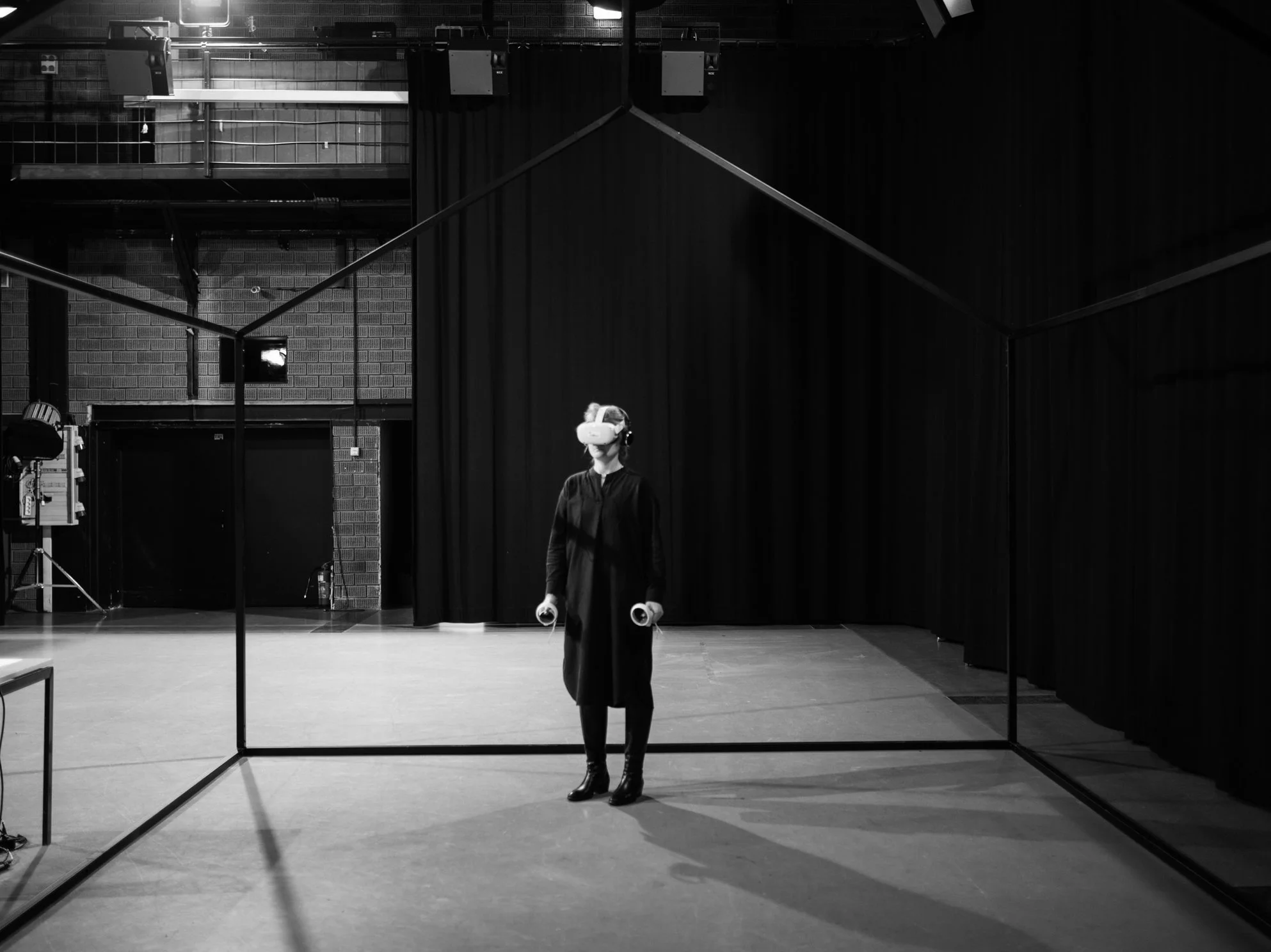
CONTROL NEGATIVE is an immersive 6DoF VR installation that transforms disruption into method. Through unstable interaction, shifting agency, and intentional dysfunction, it turns loss of control into an embodied emotional experience.
Sister Sylvester
Constantinopoliad is a collective reading experience and audio work. A response to the archive of the poet Constantine Cavafy, the story is inspired by lost and missing queer archives through time; and by the ghosts, both erotic and historical, that visit Cavafy in his poems.
Karim Ben Khelifa
In this intimate, site-specific variation of his ongoing project, Karim Ben Khelifa shifts the experience of war from cognition to embodiment, confronting audiences with its physical and emotional weight.
Peter van Haaften, Michael Montanaro, Garnet Willis
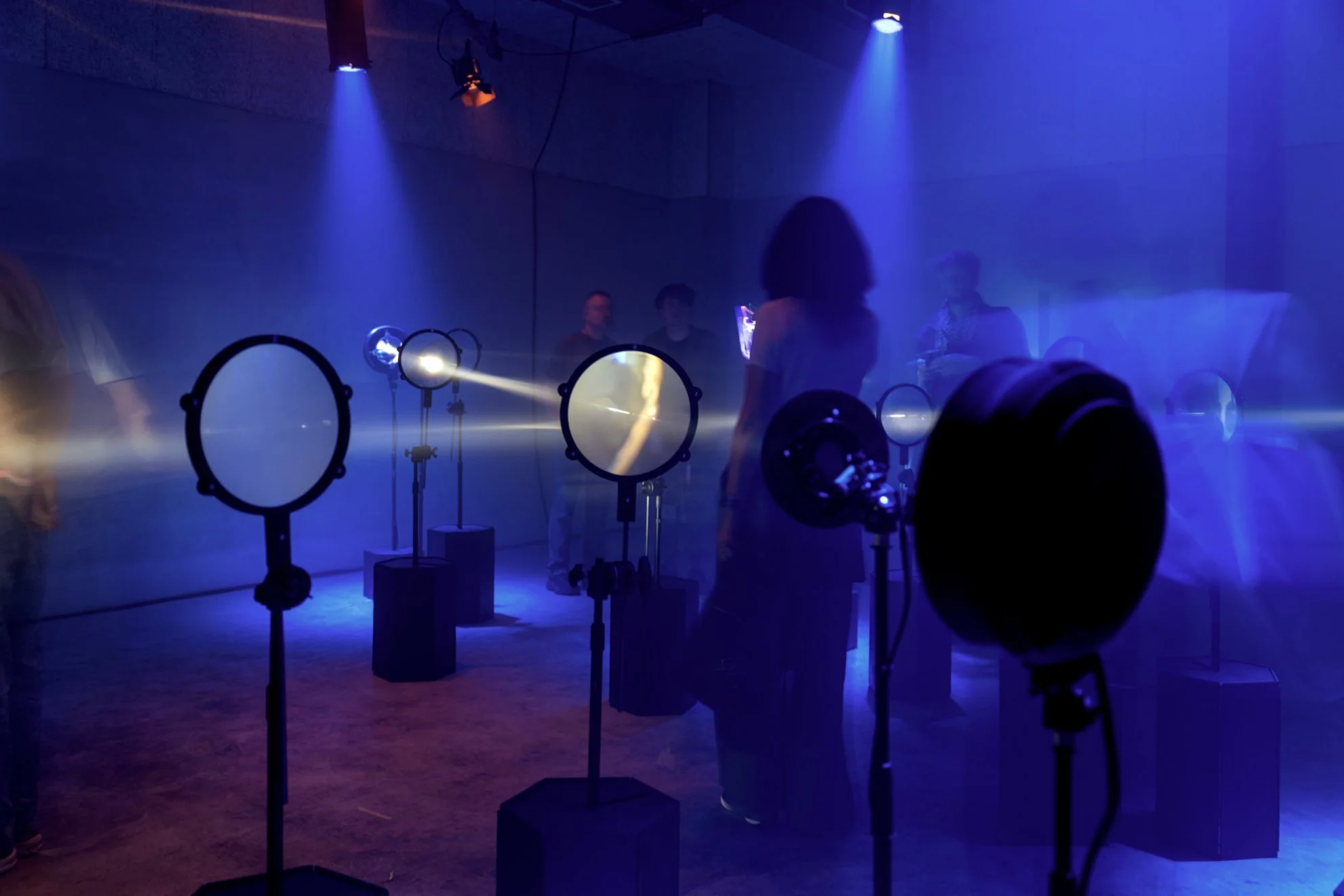
ON AIR is an interactive sound art installation that transforms voice with a series of whimsical kinetic sculptures. The work culminates in a choral harmony of mirrors, building into a cacophonous performance of sound, rhythm and light.
Suguru Goto
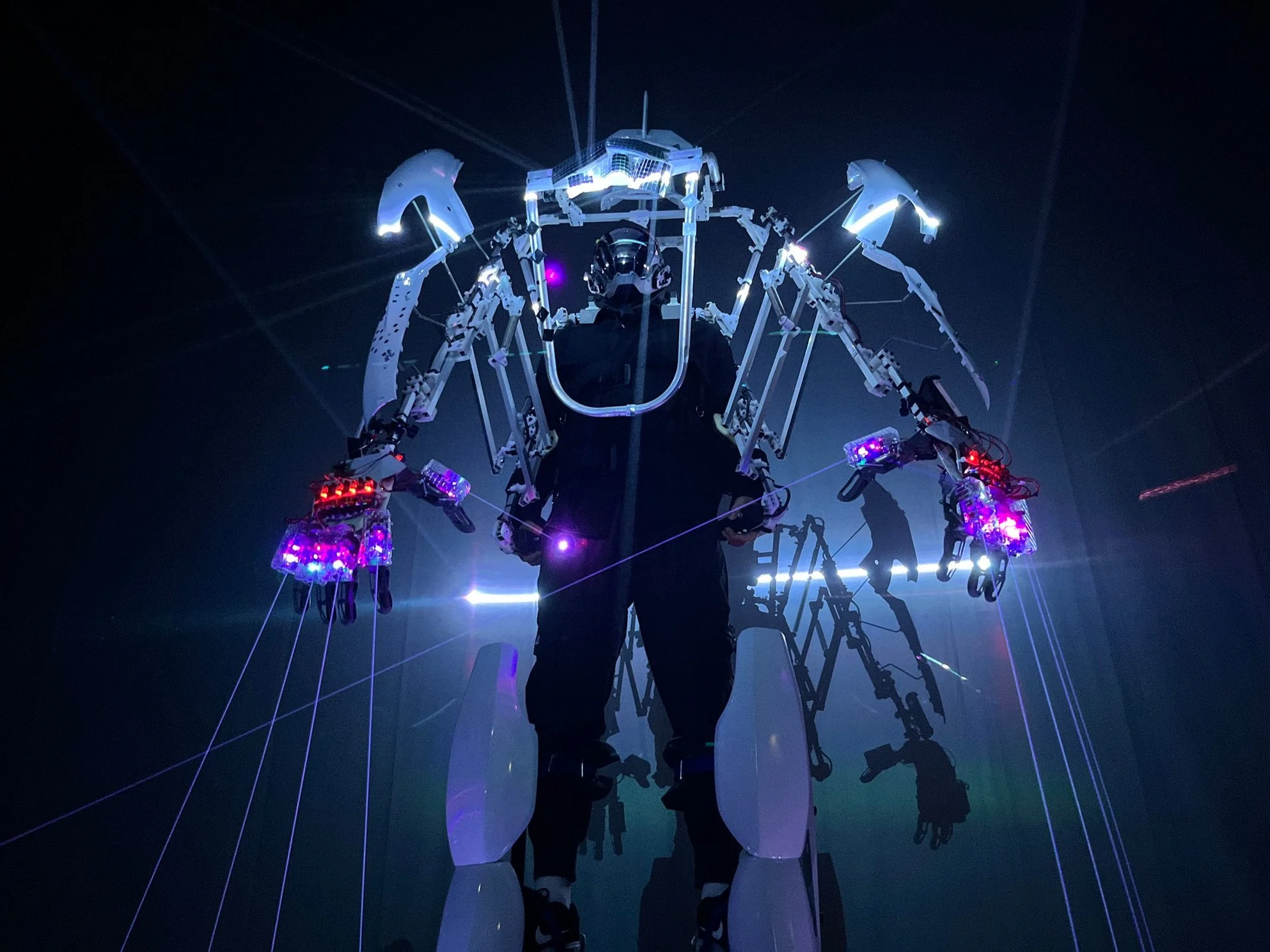
Da Vinci’s Robot — A Will Dwelling in Shadow explores interaction as an embodied and spatial experience. Inside a giant robotic exoskeleton, the performer’s movements are amplified through laser and sound, transforming bodily motion into an immersive environmental force.
Simone Wierød and Carl Emil Carlsen
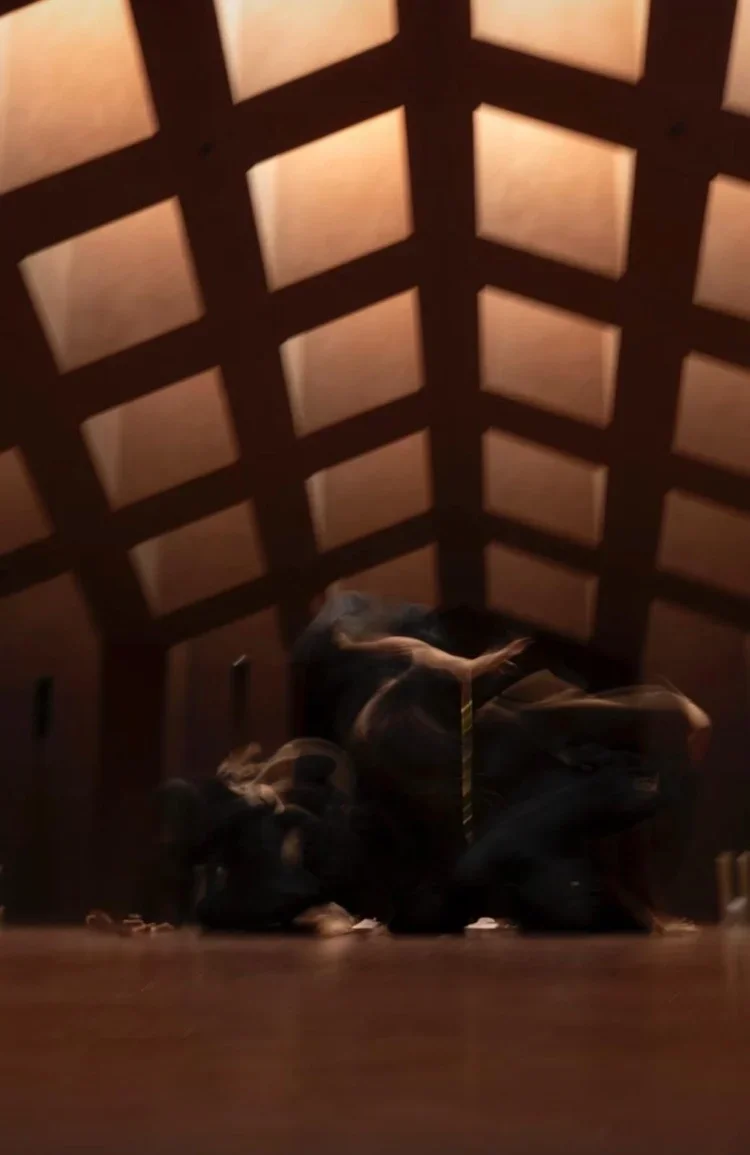
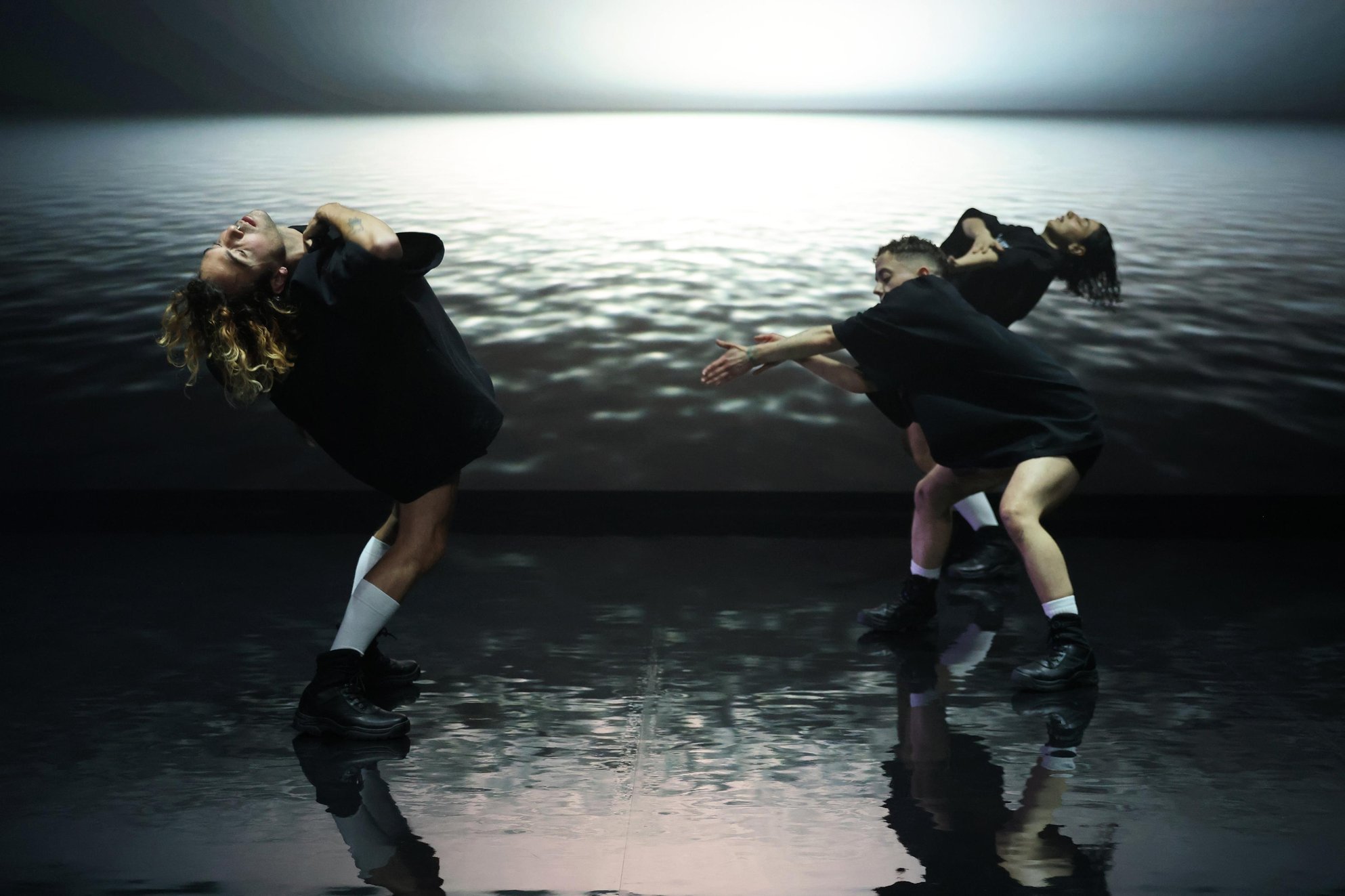
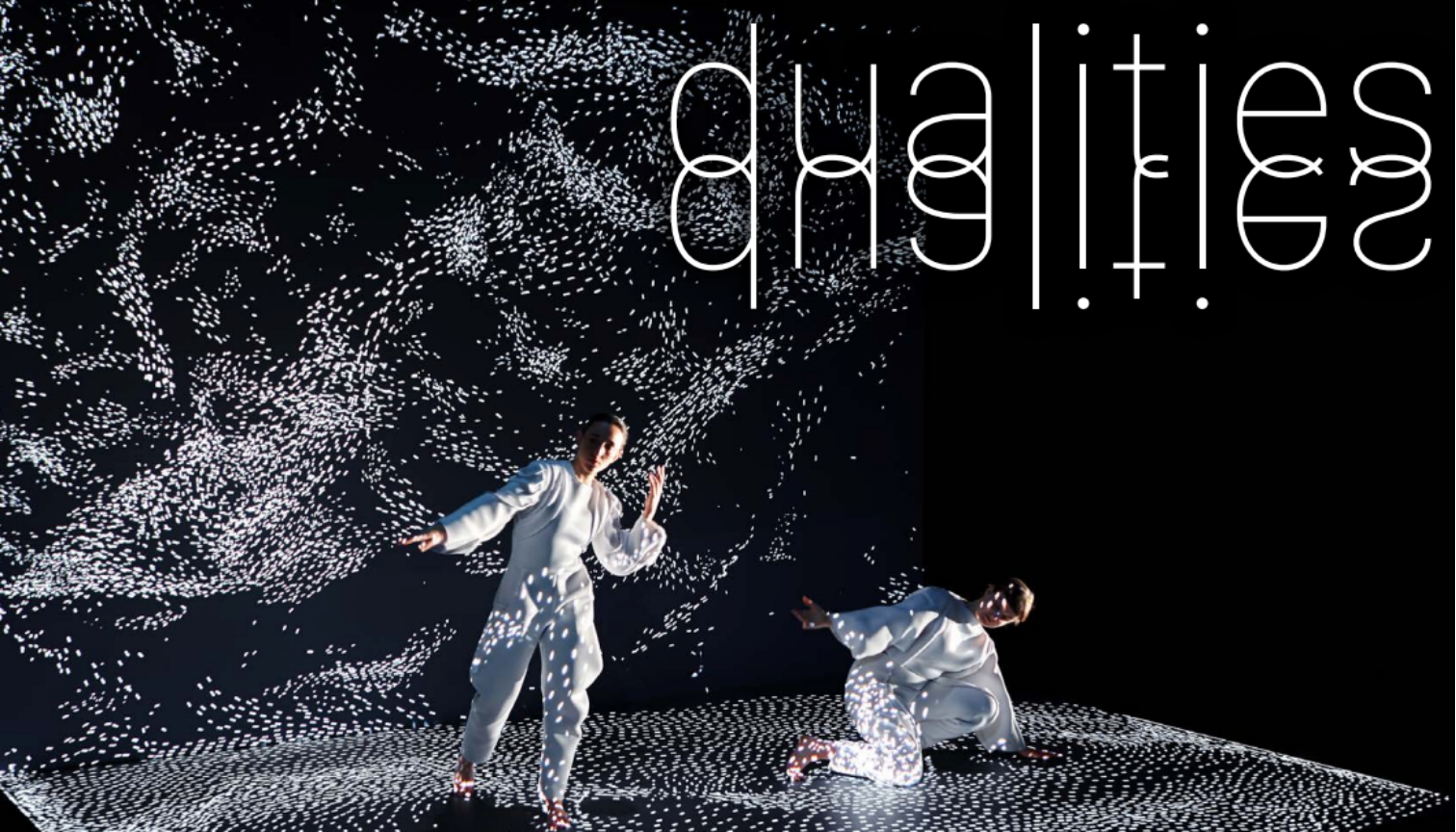
Dualities is a techno-poetic dance performance where body and simulation merge in a meeting with the digital self. Through stereoscopic projection and volumetric capture, physical and virtual worlds overlap as bodies and their digital doubles transform in visual music.
Lauren Lee McCarthy
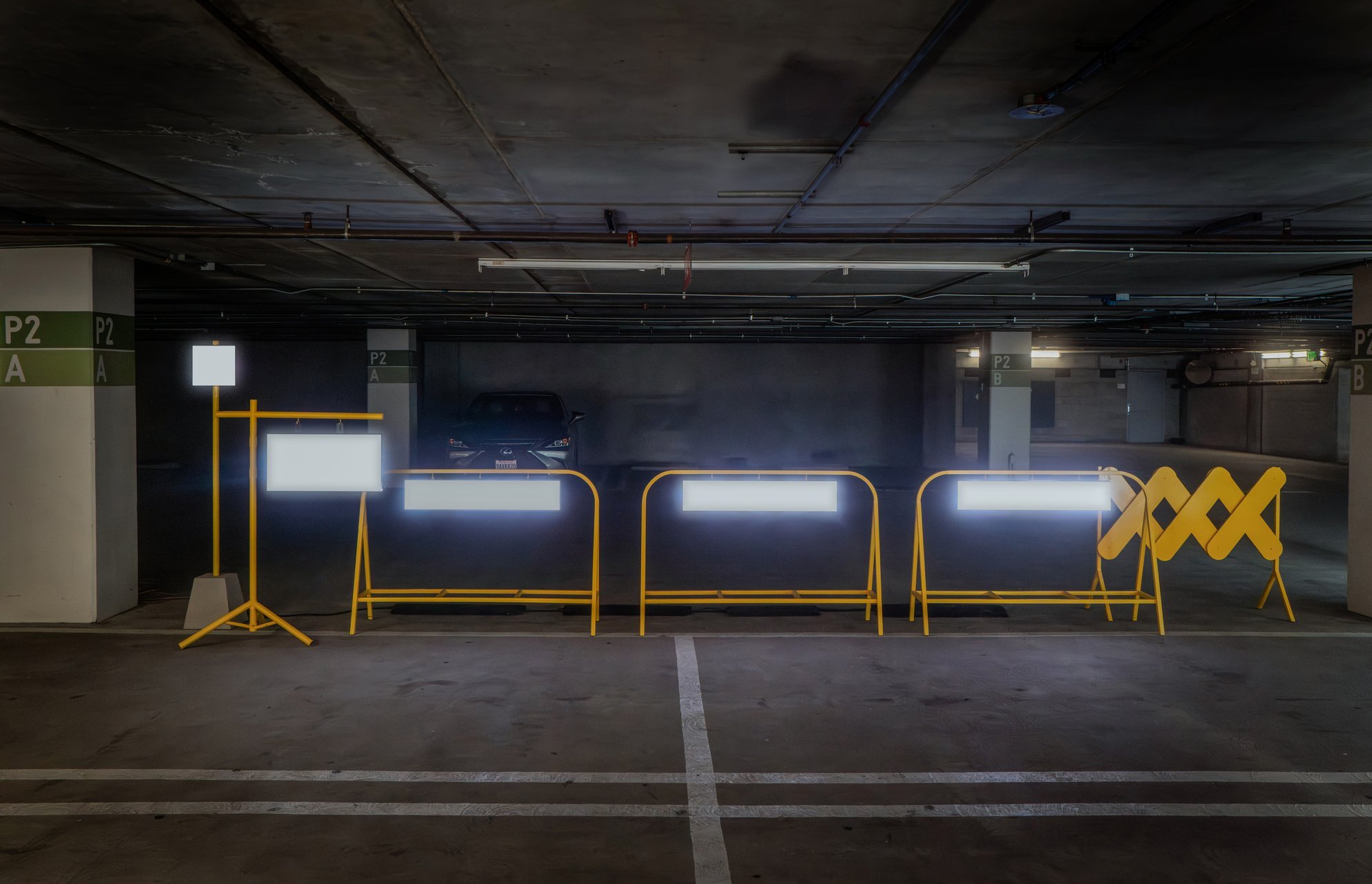
AUTO is an autonomous vehicle driven by collective singing, prompted karaoke-style through signage and sound. Learning the words only as they’re leaving their lips, passengers realize that they’re not just riding in AUTO, but becoming AUTO.
Sumio Kobayashi
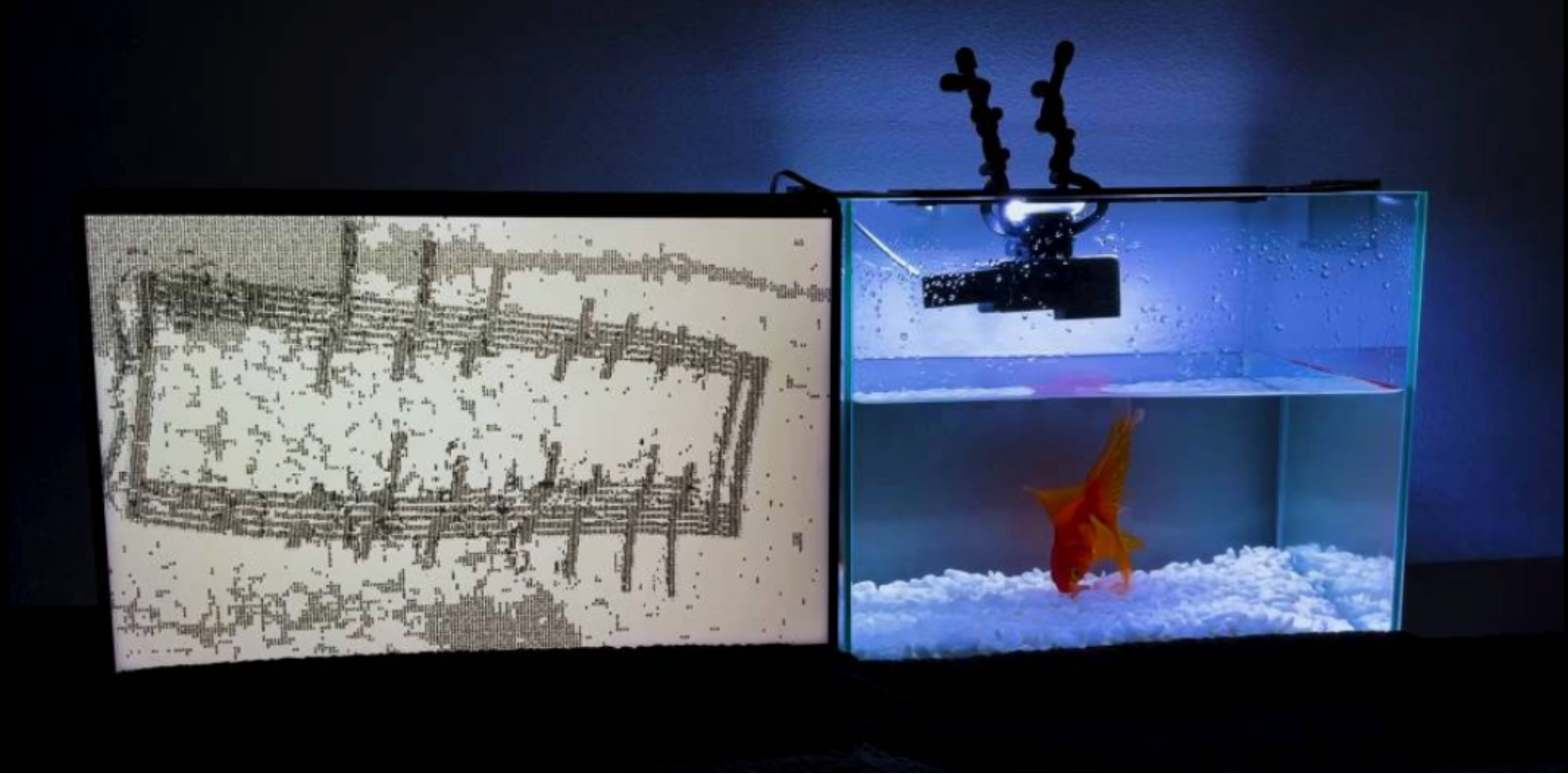
Aquatic Score for a Performing Goldfish is a short piano work in which a goldfish becomes the performer. In this work, a musical score is placed beneath the image of water. A computer program detects the movement of a goldfish, and when the fish touches specific notes there.
DANIEL ROZIN
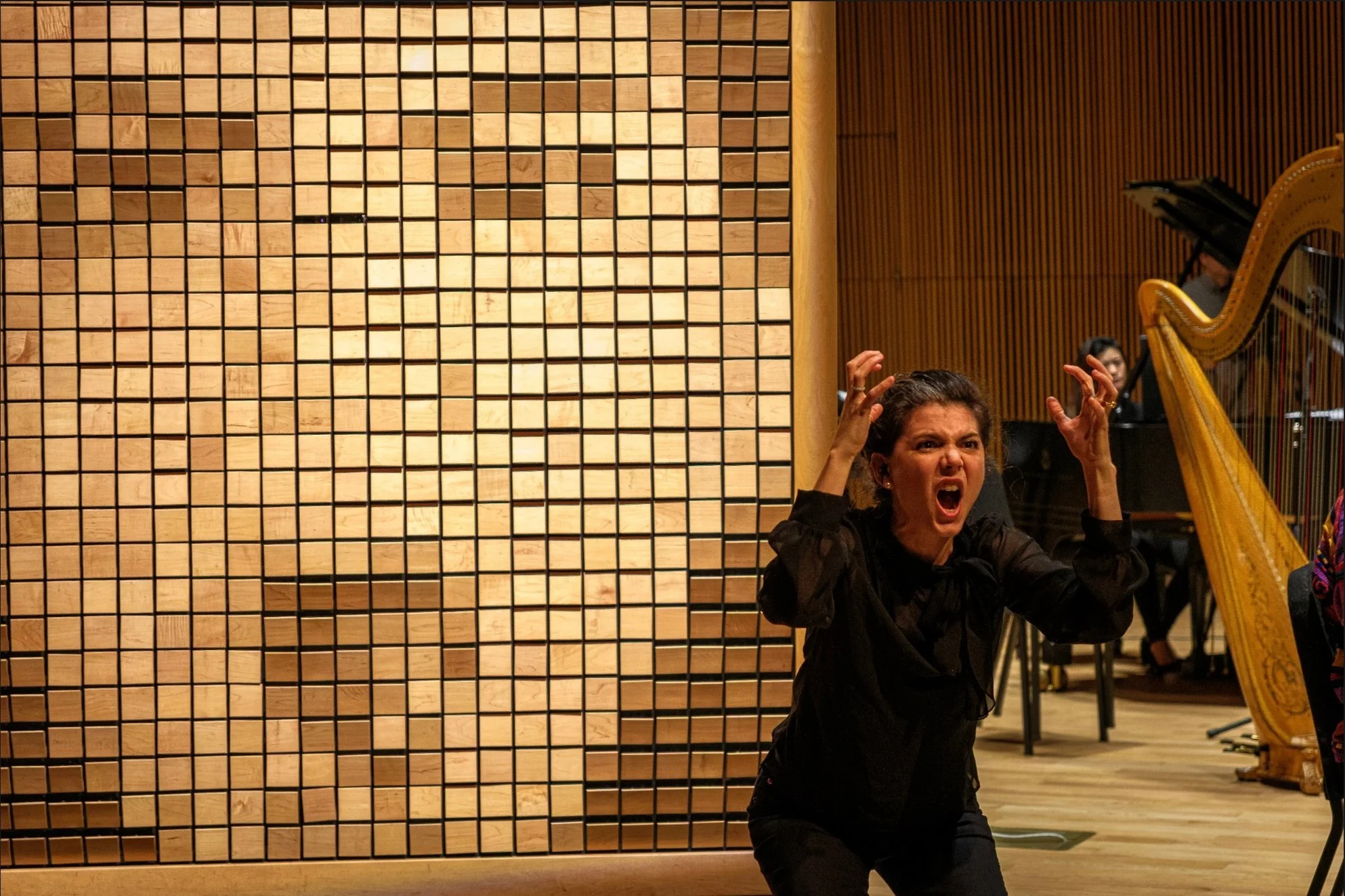
The performative version of Mechanical Mirrors extends Daniel Rozin’s celebrated series of interactive sculptures into live performance, where the mirrors join the orchestra as both visual and musical instruments, generating sound through performer movement and mechanical behavior.
TRANS VOICES, ILĀ & MONOM
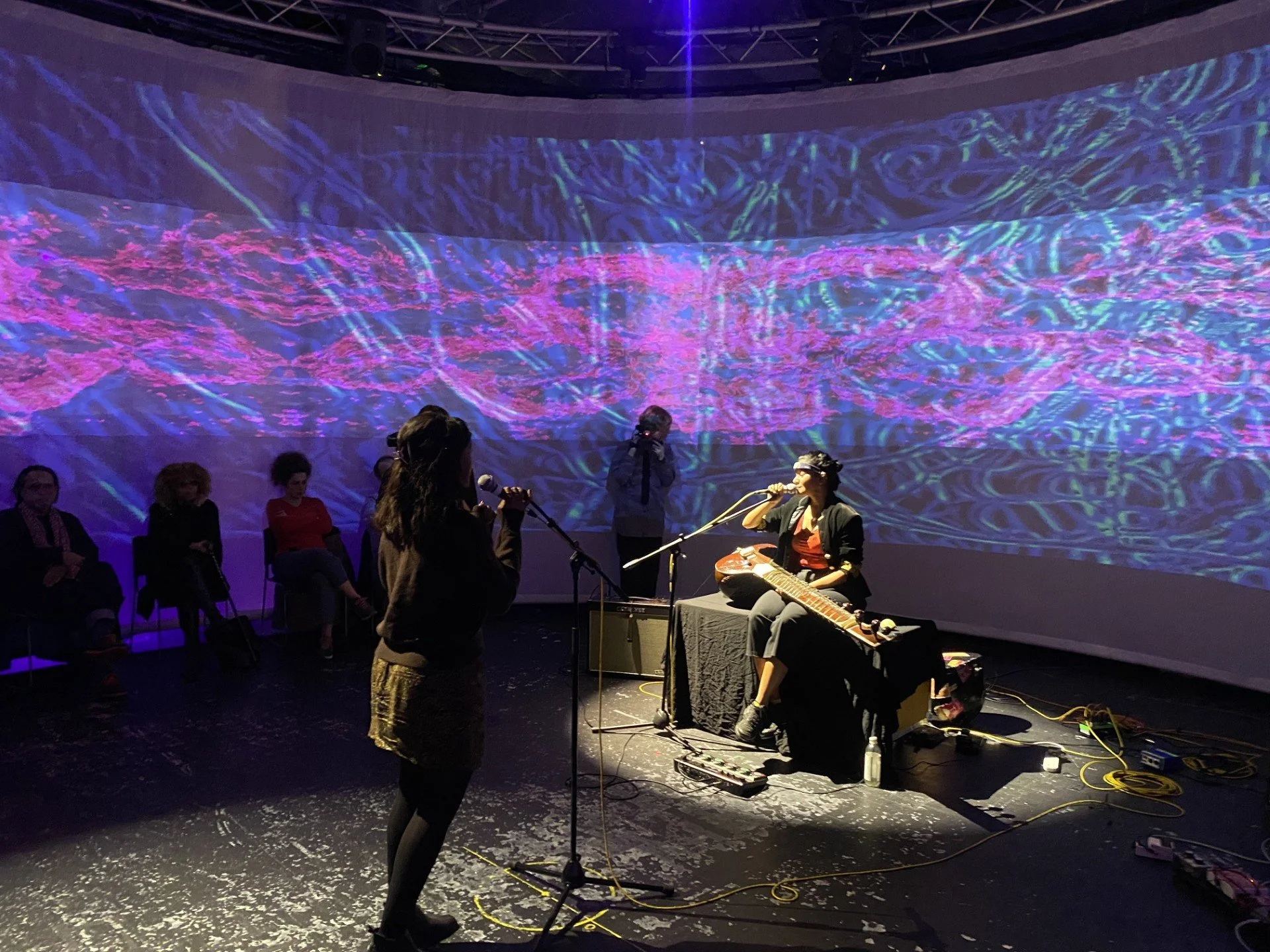
UN/BOUND is an interactive choral holographic sound installation created for Feel The Sound, Barbican. Shaped by cutting-edge quantum technology, TRANS VOICES choir evolves around you. Transform your own voice by making sound into specially trained ethical AI models of the choir
So Kanno × Takuro Yonezawa × Yutaro Kyono
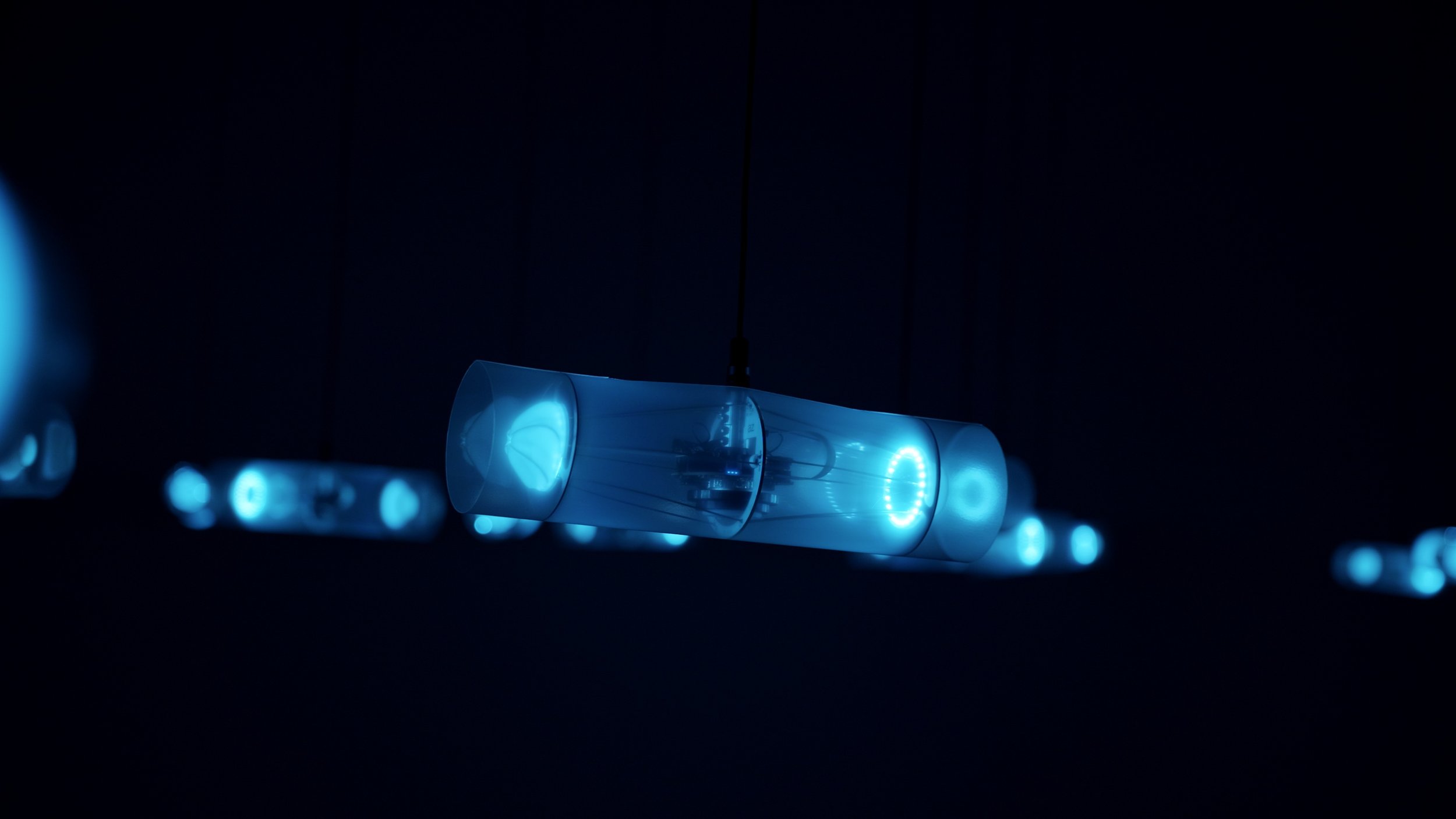
Swarm robotic light installation. Suspended tubes—each minimal, each oriented—breathe as a flock, synchronising, drifting apart, turning toward visitors who enter. An intimate microcosm of the one and the many: a non-verbal dialogue on being social, and being alive.
Antonín Kindl
OKO by Czech artist Antonín Kindl, winning project of Signal Calling 2025 (Signal Festival & PrusaLab), is an interactive electronic organism that explores the boundary between machine and human perception, influencing its environment through projected image and sound.
Laura Splan
Baroque Bodies (Sway)' creates an embodied immersive experience of epigenetic entanglement across micro and macro scales. The installation incorporates a 3D gaming environment, sound, and AI imagery that are controlled by intuitive movements and emergent social interactions.
Sasha Stiles
An immersive generative language environment that advances poetry as a defining medium of the 21st century, and explores “poetic intelligence” (the intertwining of emotion and algorithm to make meaning) as a model for how technology can deepen, rather than diminish, our humanity.
Claudia Bueno
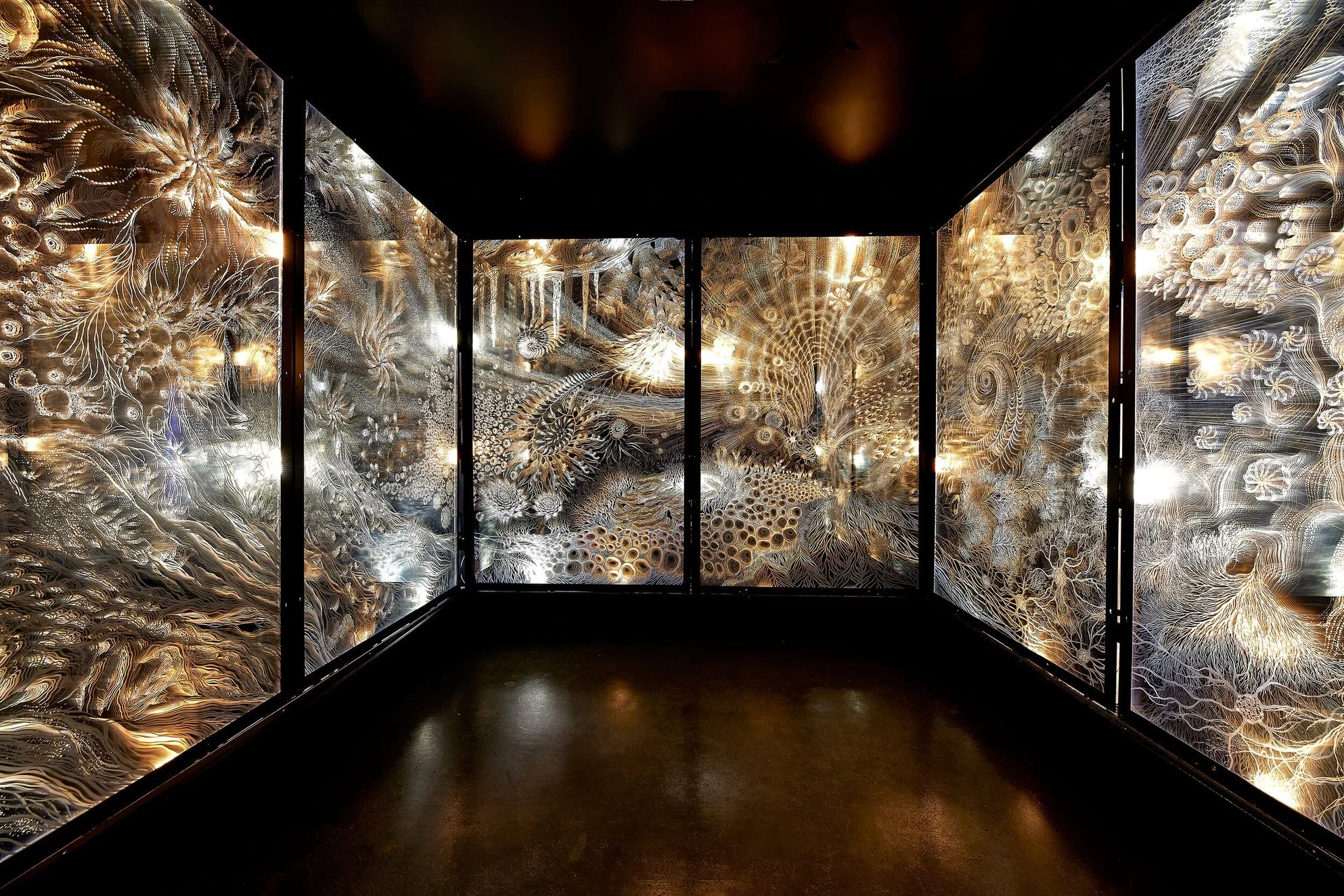
Pulse' at Meow Wolf's Omega Mart in Las Vegas layers countless white line drawings across 60 illuminated glass panels -- nautilus spirals, coral, vines and botanics that sway and pulsate in slow, glowing oscillations, mimicking the movements of natural life.
Simon Lazarus 84
DIYAUTO ORCHESTRA is an installation by visual artist Simon Lazarus and musician S8jfou, combining a generative audiovideo mural with biomaterial sculpture-instruments, inviting the public to put in dialogue living objects (micro-organisms) with living programs (generative code).
Craig Quintero, Phoebe Greenberg
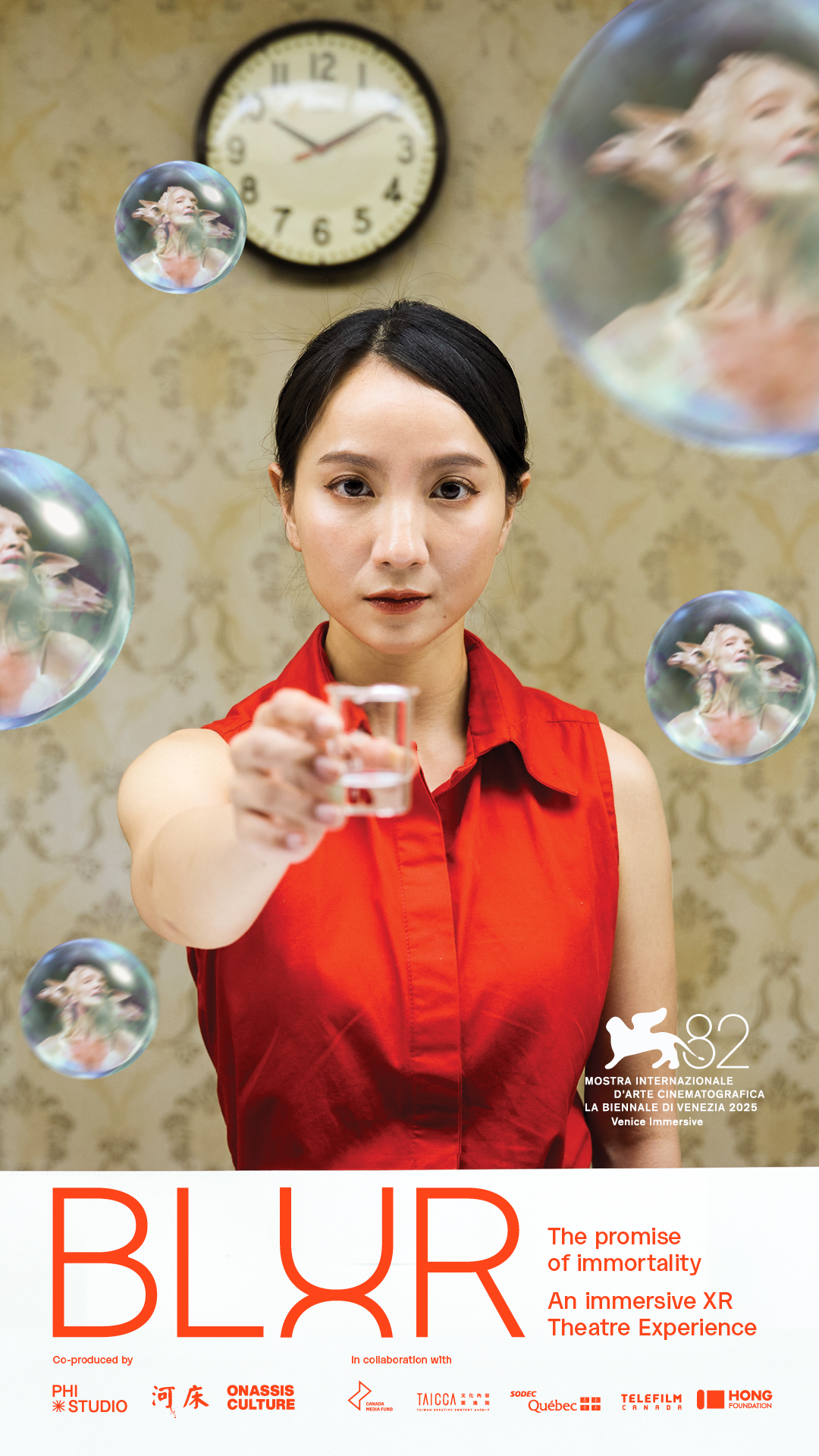
Set in a near future in which cloning and de-extinction have become reality, Blur immerses the audience in a world that obscures the boundaries between real and virtual, fear and desire, fact and fiction.
Ryuta Aoki
Quantum noise becomes rain in a universe inspired by vernacular cultures of computation. Rods trace the 28 Lunar Mansions; tatami and reeds ground sky, earth and human. Embodied ritual gestures attune the installation. Every 28 minutes, a sonic ecology is reborn.
fuse*
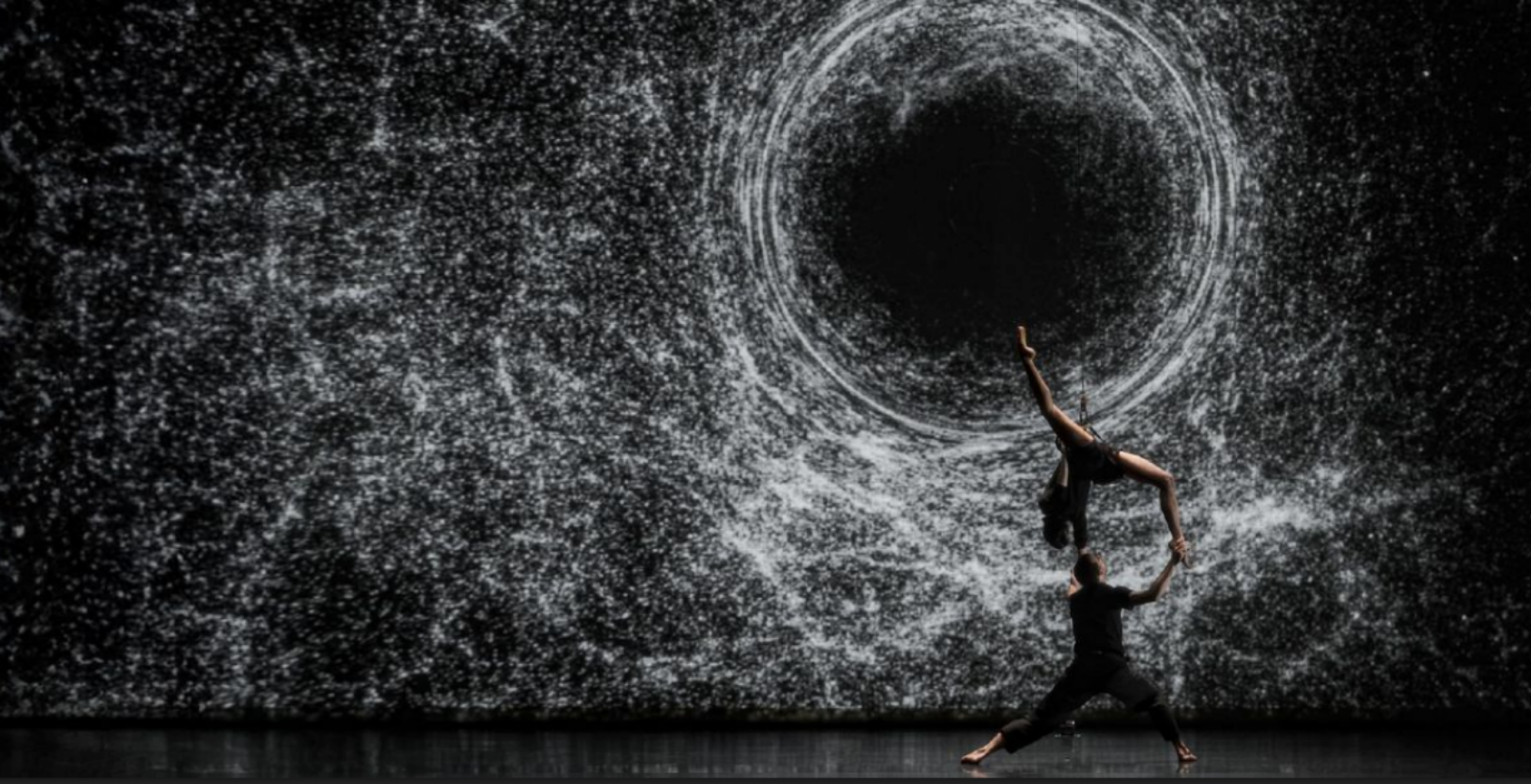
Sál (“soul”) is a live media opera exploring the universal concept of impermanence, emphasizing the ever-changing essence of life. Using the visual metaphor of black holes, it offers a poetic and unexpected interpretation of the boundaries of life.
CHOU Man-nung
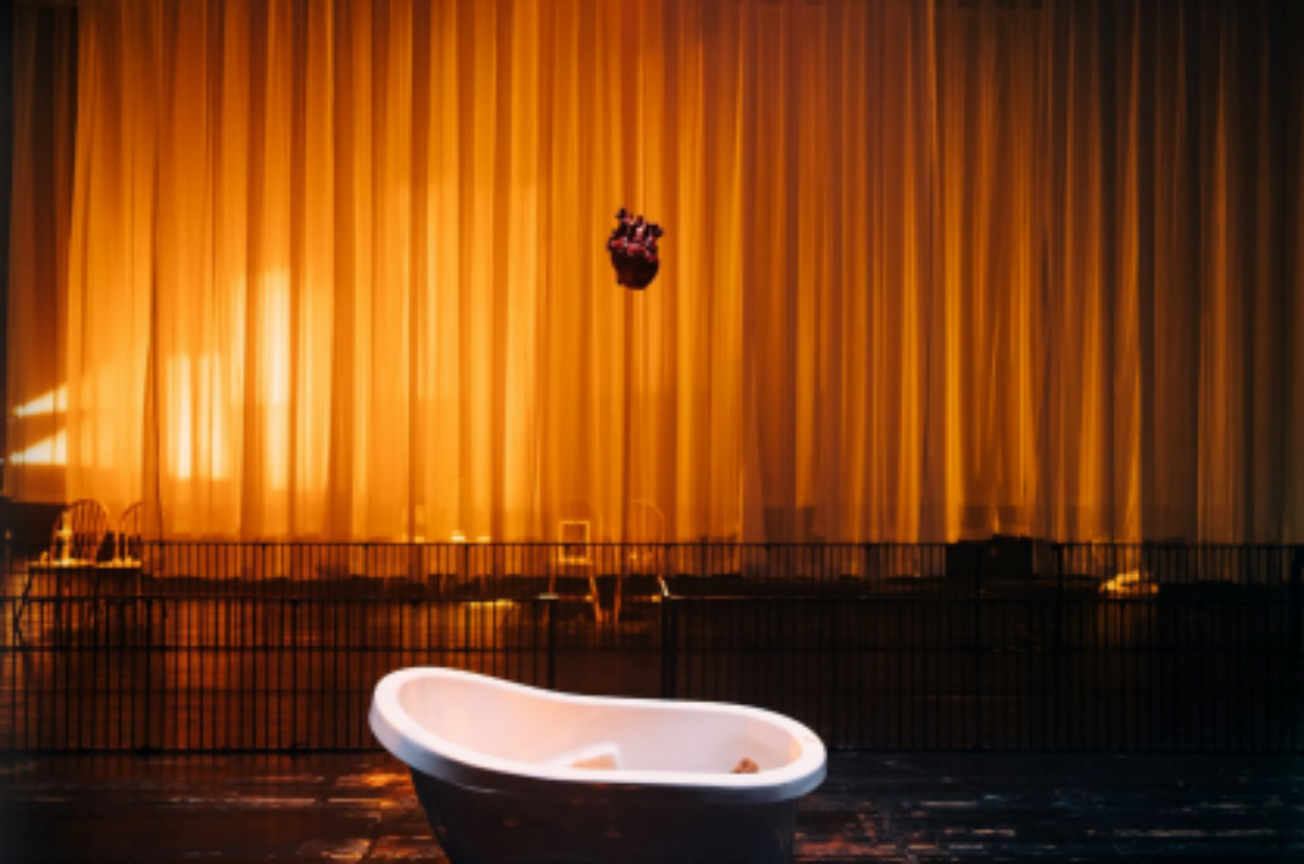
An immersive world built from a theater's own machinery, where audiences become detectives of their own perception.
niceaunties
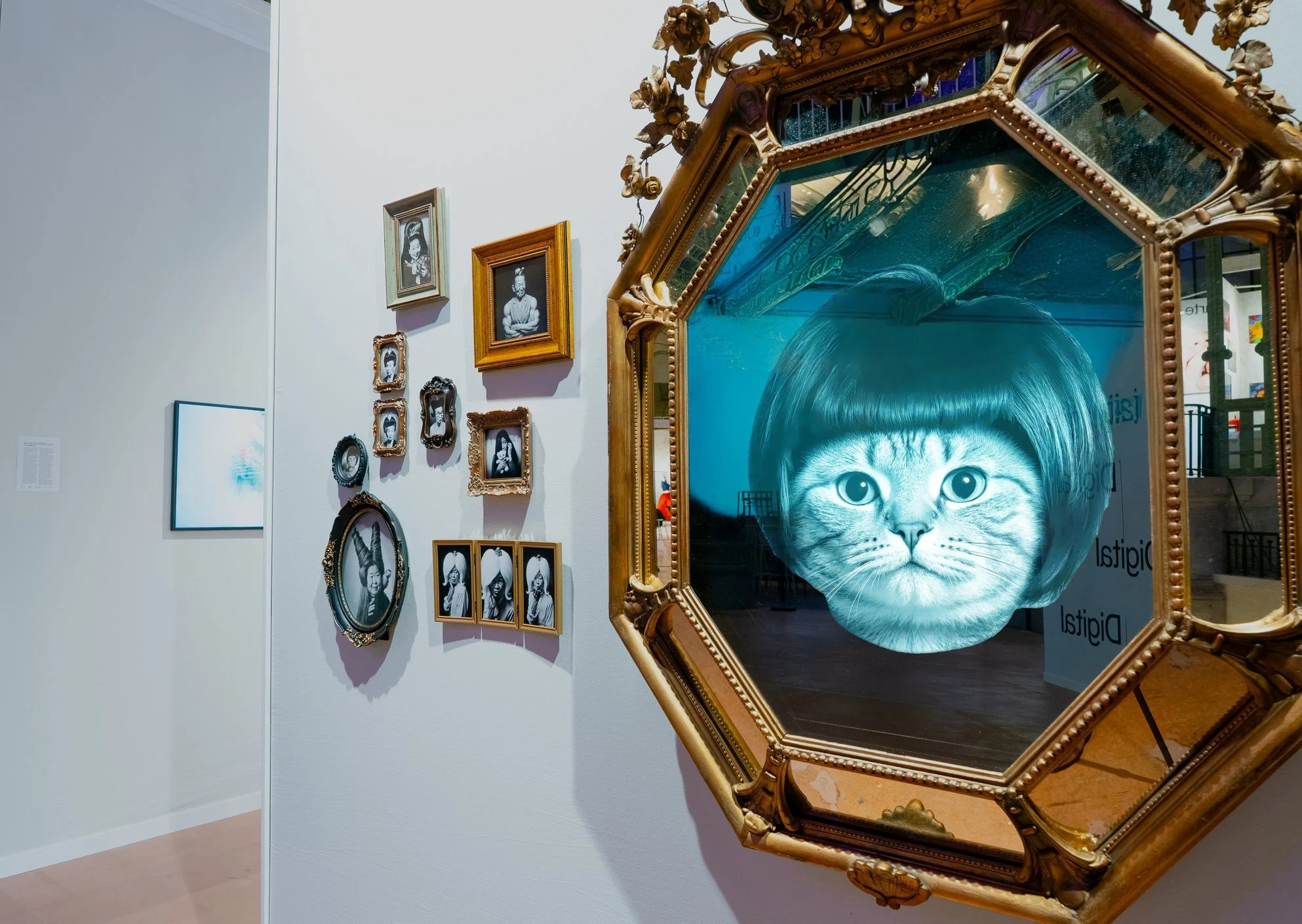
An interactive Napoleon III mirror that replaces your reflection with a speaking auntie from the Auntieverse, using motion capture and real-time rendering to transform vanity into an encounter with ageing, identity and “auntie love language”.
Matthew Biederman
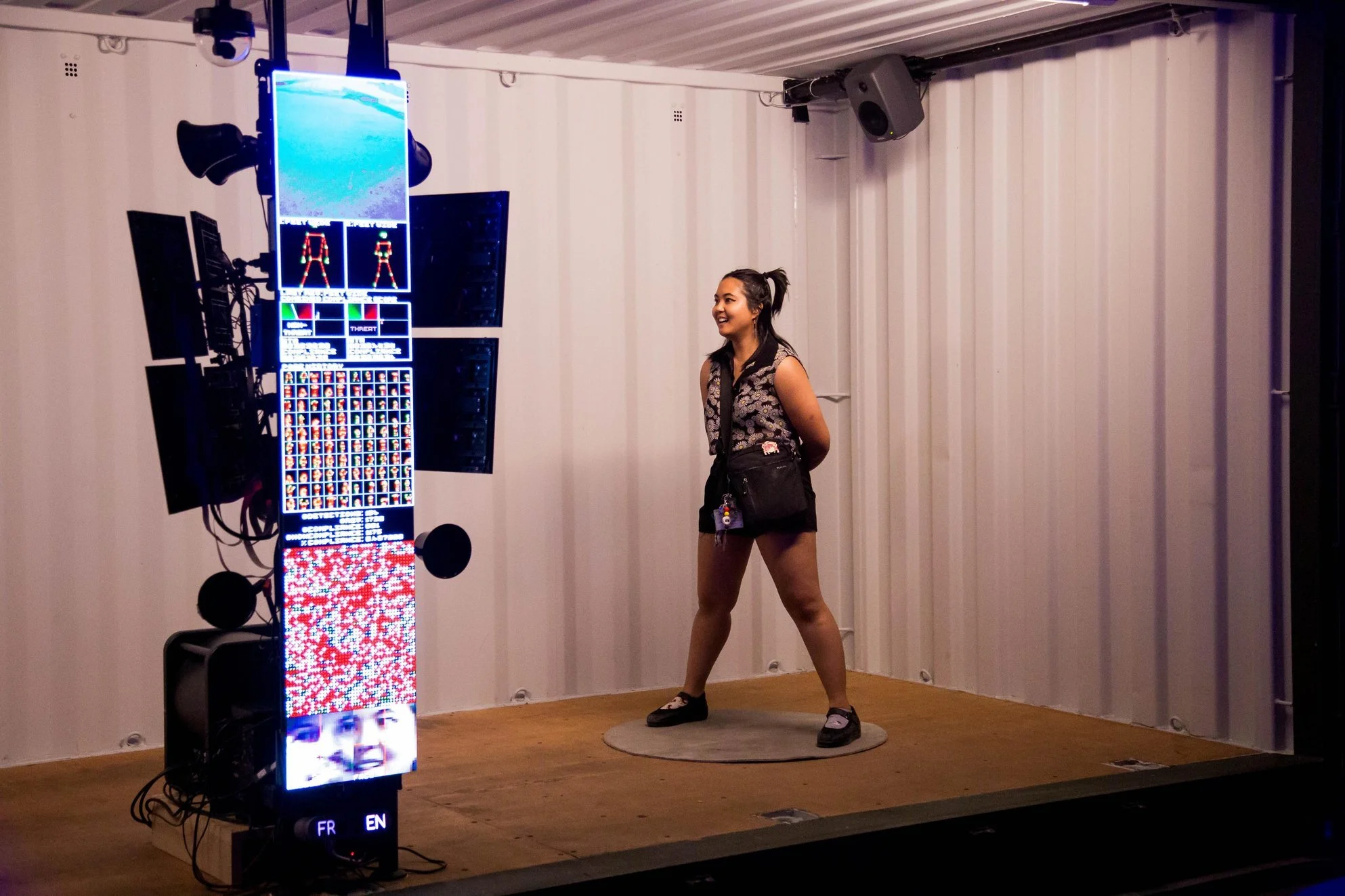
An AI system plays Simon Says, leveraging computer vision to examine public surveillance. Participants perform increasingly authoritarian commands as the work exposes its technical apparatus, revealing how surveillance systems judge compliance and how readily we surrender agency
Eric Cheung
ARRAY is an interactive laser movement installation and dance piece that explores dimensionality as a means to contemplate the layers of our existence, revealing the abstraction between our physical and non-physical realities through movement data, light, sound and structure.